
Rui Grave is the agronomy director for the Details sports and leisure management group, the largest golf course management company in Portugal. Here he talks about the current maintenance projects at some of Details’ golf venues, including Vilamoura and Aroeira, preparing them for tournaments and why he loves greenkeeping.
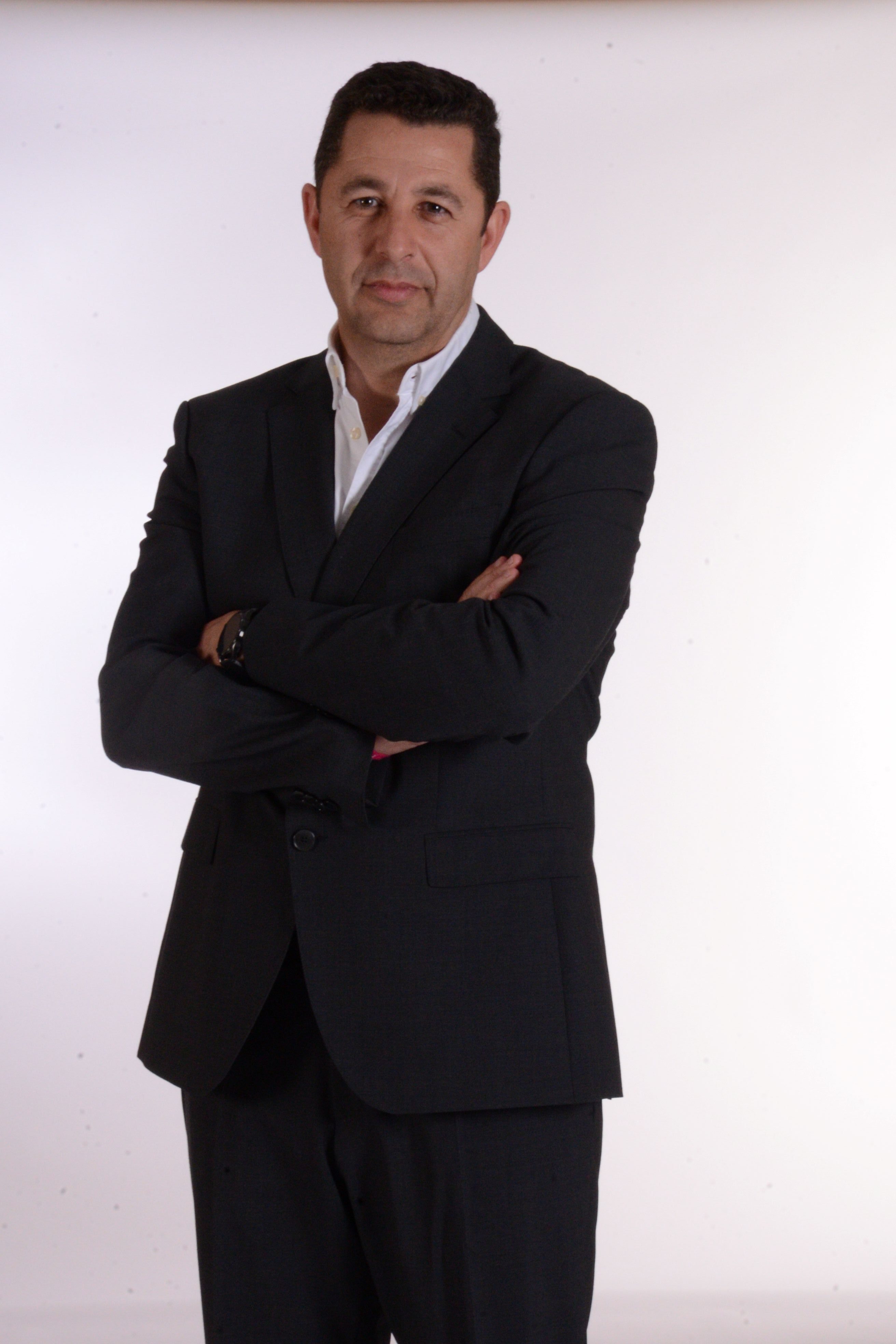
Could you tell us about your background and how you got in greenkeeping?
My background is as an agronomic engineer. When I was at university, I tried to find what my drive was and for me, I have two passions – sport and nature. It was love at first sight the first time I visited a golf course, and I quickly realised that I would be happiest in a role that combined both. To me, being a greenkeeper is much more than just maintaining the golf course, it’s about creating a unique, remarkable experience for golfers that they will never forget.

What do you like about the job?
The thing that I really like is that you have almost this blank canvas where you can create something special and leave your mark on a course. This is something that motivates me even more and it’s what we live for. Each golf course is unique, and the greenkeeper is at the heart of the challenge that is being created. It makes life a little difficult sometimes, but you are always involved, and the job is never boring.
What has been your hardest challenge and your most rewarding experience as a greenkeeper and why?
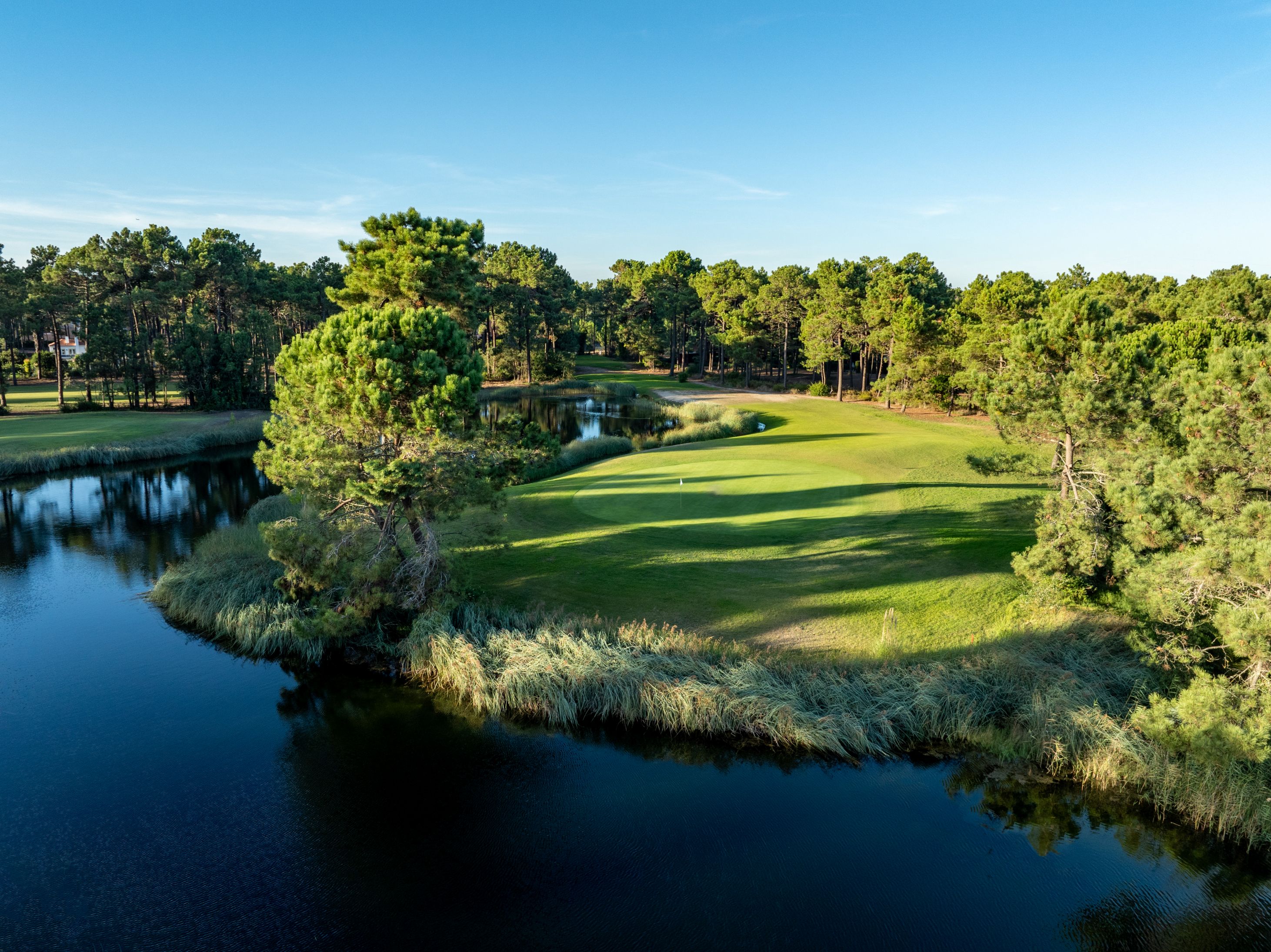
It’s hard to pinpoint just one challenge or highlight it. There have been many over the past 17 years. But if I look at recent years, I’d say the transformation of iconic courses like the Old Course in Vilamoura and PGA Aroeira No.1 has been particularly rewarding. To be able to lead such significant renovations in such a short timeframe — and see the impact not only on playability but also on sustainability — has been incredible.
It’s also a pleasure to now be part of a team and a management group with a clear vision for long-term improvement. Having that support makes all the difference. Of course, work isn’t without challenges — keeping bunkers and fairways in shape during extreme weather, for example — but I love the dynamic nature of the job, the opportunity to innovate, and above all, the people I work with. Many of them have been with me for close to 20 years, and there’s a strong sense of mutual respect and pride in what we do.
You’ve worked at Vilamoura for more than 20 years. What is it you like about the resort and which is your favourite course?
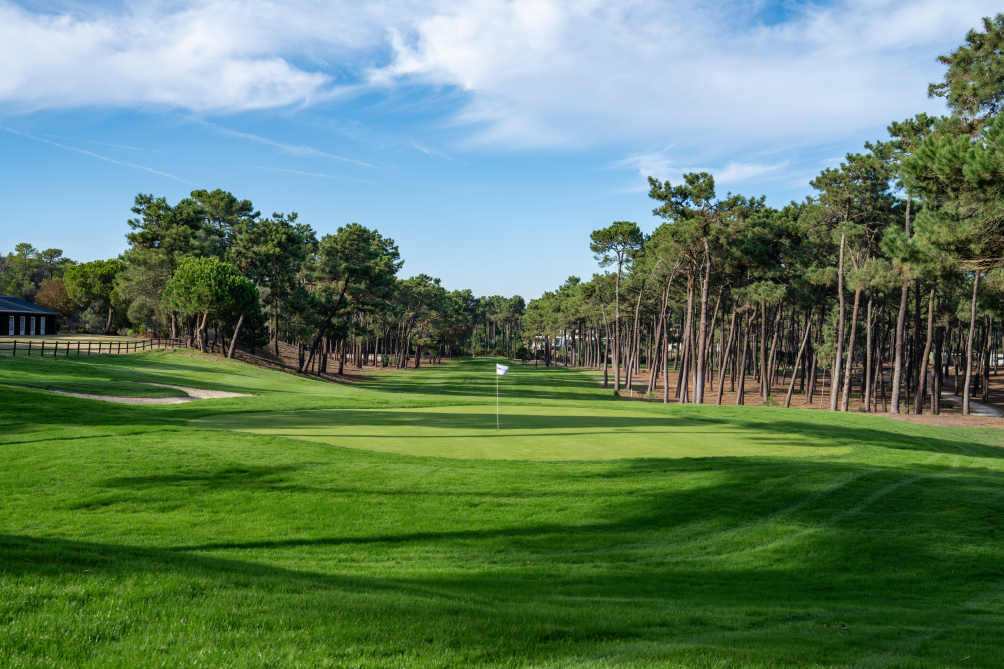
Vilamoura just has a great energy – it’s hard to explain unless you’ve spent time here. What I really like is how close all the golf courses are to each other, but each one has its own character. That means there’s something for every type of golfer, whether you’re a beginner or someone more experienced. And having one of Europe’s best marinas just around the corner only adds to the appeal. Then you’ve got everything else: quality hotels, fantastic food, beautiful beaches, great weather – and the airport is only 20 minutes away, so it’s really easy to get here and start enjoying everything straight away.
Vilamoura is also becoming more than just a golf destination. It’s positioning itself as a proper sports hub. The equestrian centre, for example, has been around since I started working here, and it’s now being renovated – which shows there’s a long-term vision for the resort. As for my favourite course… it must be the Old Course. It was the first one I ever worked on, and it just has this sense of history and soul that you don’t find everywhere. There’s something truly unique about it.
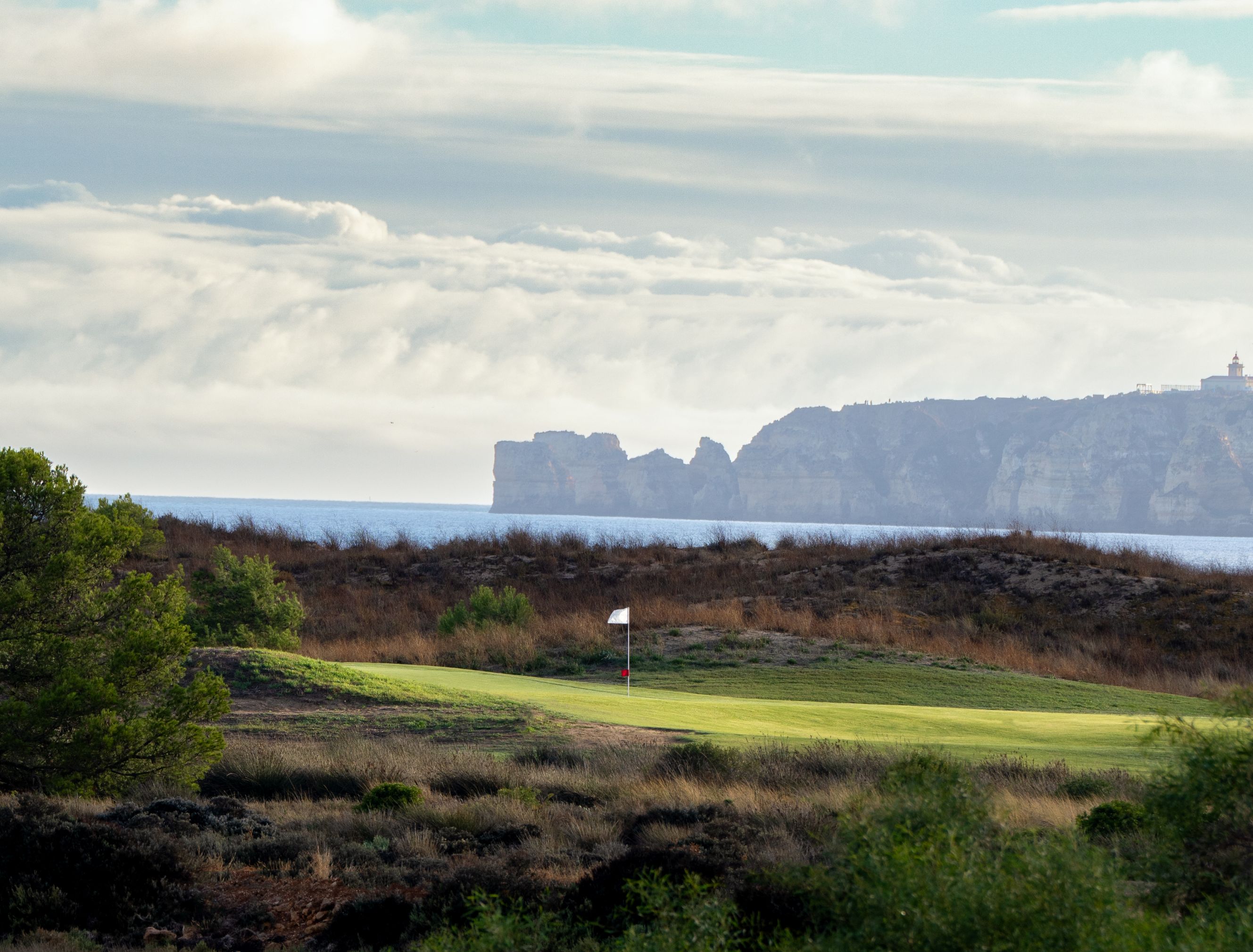
Vilamoura has regularly been chosen as a venue to host European Tour and DP World Tour events. Can you describe the challenges you face preparing a course for the best players in the world?
The way I like to think about it is if you imagine that you are speaking about surf and waves. Whereas amateurs would like to have small waves, the pros would prefer to have ones as big as possible. So, they would like to have fast greens and as firm as possible.
When you’re preparing a course for a tournament, you must consider two things – how the course looks and is presented and also how it plays. From a greenkeeper’s point of view, it’s imperative that everyone plays the course in the same condition, from the height of the rough to uniform speed of the greens from the first hole of the last. I’m always keen to receive feedback on how the course is playing and will try to speak to as many players as possible so that any changes can be made if necessary.

You now have the task of overseeing all the golf courses in the Details portfolio. How are you enjoying the role and what are your main priorities, both in the short and long-term?
It’s a big challenge, but also a brilliant opportunity to shape something meaningful. What I enjoy most is working with such a diverse range of courses – each one has its own character and potential. At PGA Aroeira, for example, we’ve seen how much can be achieved in a short time with the right vision and support. It’s been great to modernise the course and make it more sustainable while keeping its identity. Then there’s Vale Pisão, up in the north – a beautiful course surrounded by nature, with huge potential. We’re even exploring the idea of expanding it to 18 holes. It’s one of those places that just needs a bit of fine-tuning to really shine. In the short term, the goal is to raise the overall standard across all venues. Some haven’t had the investment they needed in recent years. Long-term, it’s about building something lasting – courses that stand out not just in Portugal, but across Europe. I truly believe we’re on the right path – with the right team, the right tools, and maintenance rout.

How much time do you aim to spend at each course?
It depends a lot on the size of the project being undertaken or the seniority of the head greenkeeper at each venue. How fast a project needs to be delivered will also determine how much time I spend in each golf course, but these days we’re lucky as technology means that you can remotely connect with people where they have apps that can demonstrate how fast greens are or how much water is needed to irrigate a course. What I have found is that it’s important to delegate responsibility and give our individual greenkeeping teams the tools so that they can do their jobs properly.
One of the major projects for Details taking place now is the renovation of the two championship courses at PGA Aroeira Lisboa, Aroeira 1 and Aroeira 2. Can you expand a little bit on the work that you’re doing?
PGA Aroeira is an amazing place and it’s incredible to think that you had this resort with two outstanding golf courses receiving almost no investment at all for 20 years. As soon as I went there two years ago, I could see the potential and was very excited about what could be done with each course. There was a lot of work that needed to be done with PGA Aroeira No. 1 and, at times, it was difficult to know where to start, but we addressed everything from the irrigation, landscaping and lakes to the tees, greens and overall quality of the playing surfaces. We also made a strategic decision to switch to a fully electric and robotic maintenance system – including the daily mowing of the fairways using autonomous Husqvarna Ceora robots. This innovation has brought not just sustainability and efficiency, but also a new level of consistency and quality to the course. The feedback from members and visitors since we reopened last October has been really good – and all the work was done in just 65 days!
Is there anything that you’re going to do differently when renovating Aroeira 2 as a result of lessons you may have learned from upgrading Aroeira 1?
PGA No.2 doesn’t require such a big intervention as the No.1, it’s a more recent course and is in better shape overall. That said, our focus is still very clear: we’re strongly committed to ESG and we’re prioritising work that reflects that. We’re rebuilding the wooden bridges and renovating the buggy paths, upgrading the practice area and carrying out heavy topdressing on the fairways, along with targeted drainage in the wetter zones. On top of that, we’ll follow the same principles as with PGA No. 1 improving fairways and greens, renewing tees, bunkers and landscaped areas but adapted to what the course needs specifically.
And when do you think that the two golf courses will be at their full potential following all the work you’ve done this year and last year?
I think it will be between 18 month and two years, not only to allow for golf courses to recover and mature but also to improve the grasses that have been implemented.
We are improving the greenkeeping team, training them and giving them improved and sustainable machinery to use, but all that takes time. These things take time, but the progress so far has been very encouraging. I’m really excited to see the full results once both courses are completely renovated and performing at their best.