
Joe Kinder, technical manager at Agrovista Amenity, explores the intensifying challenges of summer turf pathogens and the evolving strategies, from cultural practices to innovative tank-mix combinations, required to maintain elite playing surfaces this year.
The summer period presents a unique set of disease management challenges for sports turf.
Elevated temperatures, increased humidity, intense wear and irrigation stress create ideal conditions for a range of fungal and physiological turf diseases. For golf greens, the consequences of poor disease control during summer can be severe loss of turf quality, reduced playability and costly renovation work.

Even with the most diligent adherence to best cultural and mechanical practices, high disease pressure can still lead to visible symptoms and the need to intervene directly with remedial action, although this may require the use of fungicide, the presence of disease may not always need chemical intervention.
Fortunately, with the utilisation of tank mix fungicide combinations, combined with the ready availability of nutrients and biostimulants, prevention and outcomes after a disease outbreak can be much improved when compared to using proprietary fungicide products alone.
During the summer, turfgrass plants are often under significant stress due to high soil and air temperatures, reduced root depth and oxygen availability, increased wear from play and maintenance operations, drought stress or excessive irrigation, nutrient imbalances, particularly low nitrogen. Stressed turf is far more susceptible to opportunistic pathogens, many of which thrive under warm, humid conditions.
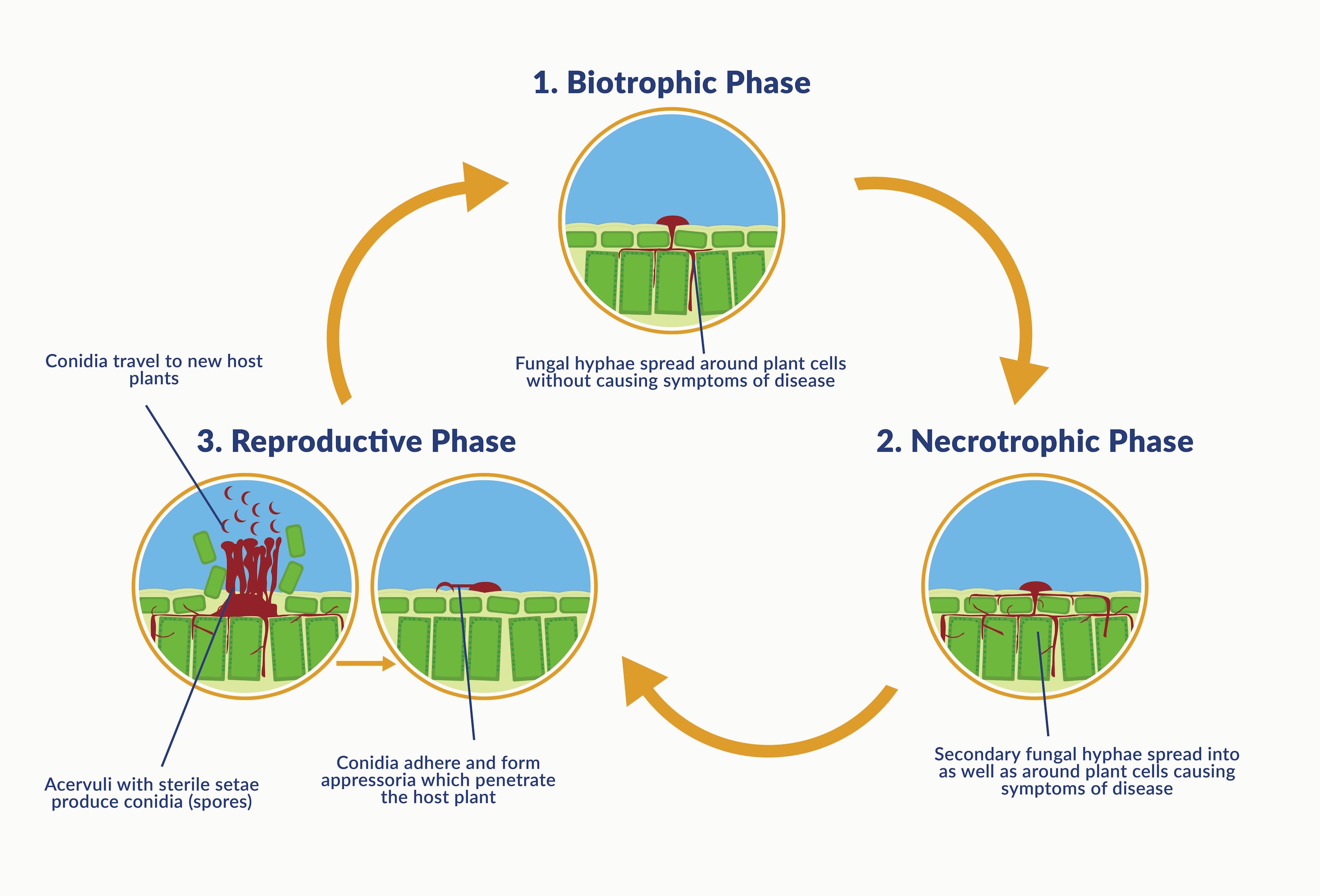
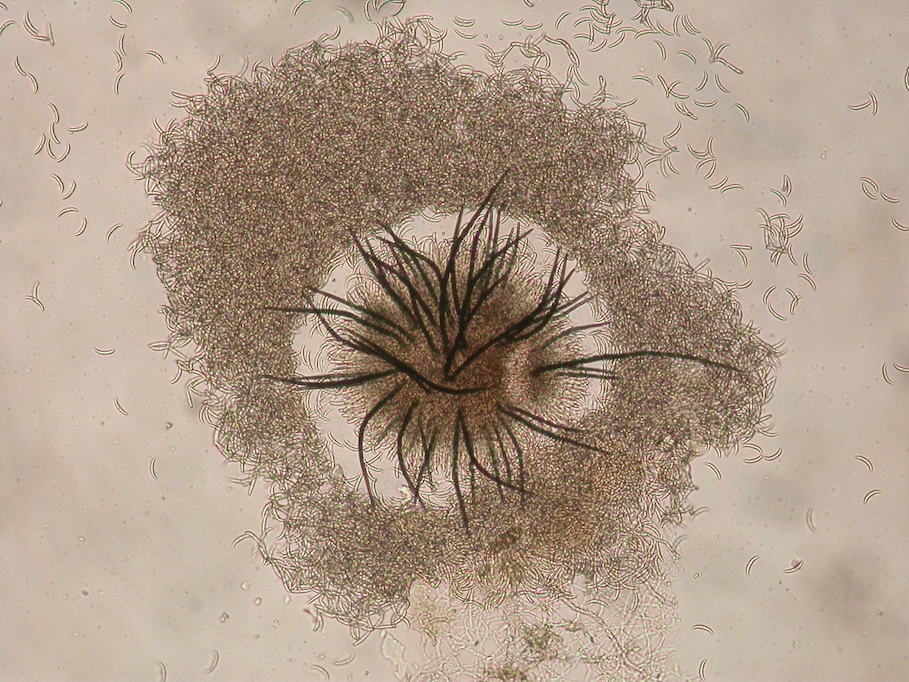
Anthracnose is one of the most destructive summer diseases on golf greens, particularly on annual meadow grass (Poa annua). It typically develops during periods of heat stress and low nitrogen availability. Symptoms include yellowing and thinning of turf, basal rot leading to plant death and under magnification the presence of black fungal structures. Control strategies include maintaining adequate nitrogen levels through light, frequent application.

Should fungicide be required, Instrata Elite, for example, with its combination of two active ingredients, mixed with phosphite was proven to be highly effective at controlling the foliar blight stage and initiating recovery of anthracnose disease under independent trial conditions.
Dollar spot, once considered a more common summer disease on closely mown turf in the south of the country, is now seen to be more widespread. It thrives on warm days, cool nights and prolonged leaf wetness. Typical symptoms include small, circular straw-coloured patches with white mycelium visible in early morning dew. Control strategies include maintaining balanced fertility, especially nitrogen, reduced leaf wetness by improving airflow and irrigation timing, the removal of dew and once more, if necessary, the use of a preventative fungicide programme.
Independent trials demonstrated a mix of two fungicides, Maxtima and Insignia but this time combined with the plant growth regulation Attraxor and GreenlawngerTR, a green pigment, demonstrated significantly improved efficacy and longevity compared to using the two fungicides in isolation.
Microdochium patch, although traditionally associated with cool, wet conditions can persist into the summer, particularly on golf greens under stress. Contributing factors include compacted, poorly drained surfaces, excessive shade and humidity and turf weakened by heat stress. Control strategies typically involve improving air movement and surface drainage, minimising prolonged leaf wetness, maintaining a steady growth through balanced nutrition and fungicide protection, especially where historical pressure is high.
Indeed, as Microdochium patch is usually the most common disease likely to occur throughout the year, extensive independent trials have been undertaken and consistently proven the benefits of tank mixing active ingredients, nutrients, biostimulants and adjuvants or a combination of all three. In this regard, attention is drawn to the independent trial mixing Heritage (azoxystrobin) with Go Green Plus, a unique complexed iron with the mix improving Heritage performance by over 50 percent. Arguably, similar performance could be achieved with other iron-based products, but it nevertheless focuses attention on how to achieve the best outcome from fungicide use, especially when disease is already prevalent.
Across golf and many other natural sports surfaces, successful summer disease control depends on an integrated management strategy combining a balanced nutrition programme tailored to plant demand, stress reduction through sound irrigation and cultivation practices. Environmental modification (airflow, drainage, shade) and preventative fungicide programmes with tank mix combinations to ensure optimal fungicide efficacy.
Early identification and proactive management are critical.
Waiting for visual symptoms often means irreversible damage has already occurred.

Summer disease management in sports turf requires careful planning, close monitoring and a willingness to adapt practices to prevailing conditions. By integrating cultural, nutritional and chemical controls, turf managers can maintain high-quality, resilient playing surfaces throughout the most challenging period of the growing season.