
The UK turf industry is at a defining moment, with extreme weather, rising production costs and mounting climate risk placing unprecedented pressure on growers, the Turfgrass Growers Association (TGA) has warned.
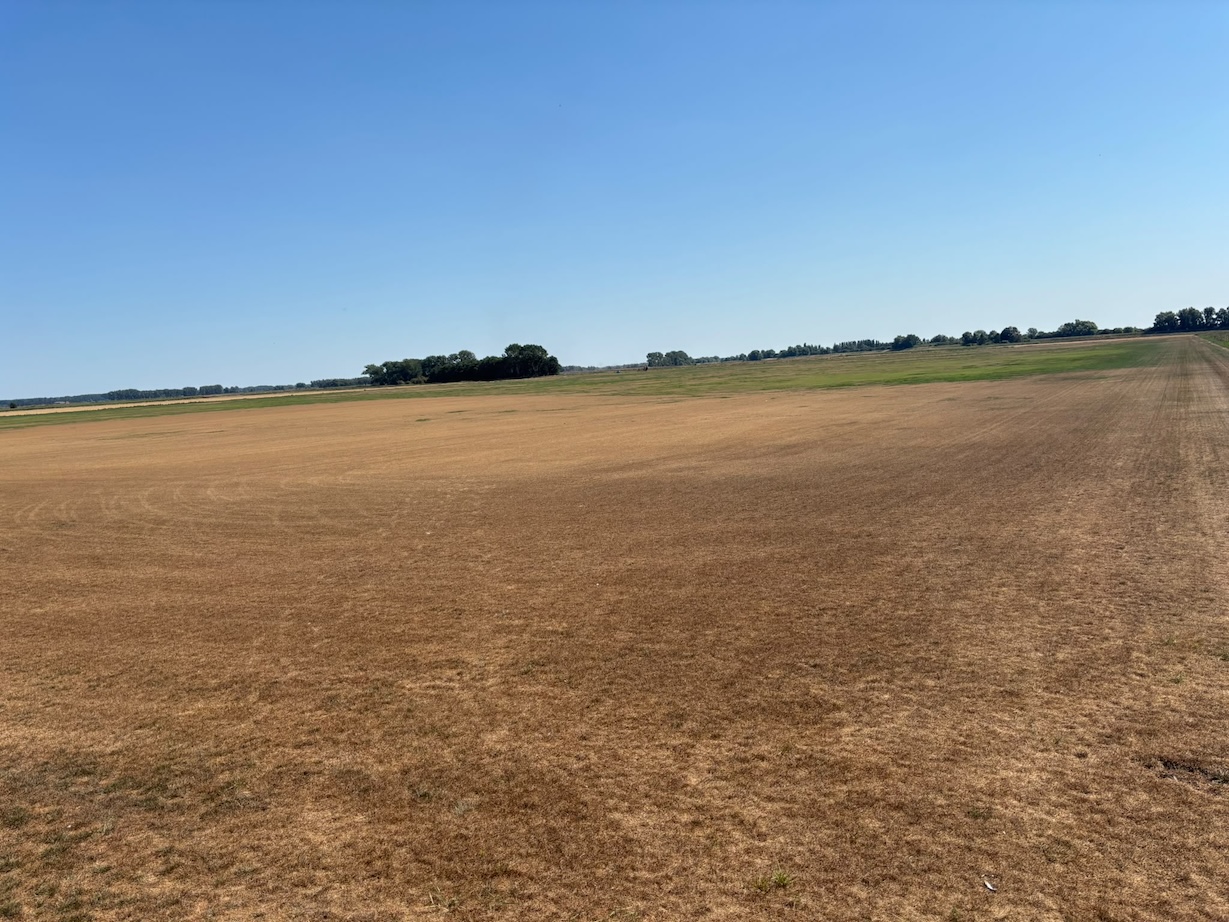
Government figures show 71.3 percent of England in drought, following the driest July on record. For turf growers, the combination of prolonged rainfall deficit and sustained high temperatures has meant sharply higher irrigation costs, crop damage, increased waste and long recovery programmes.
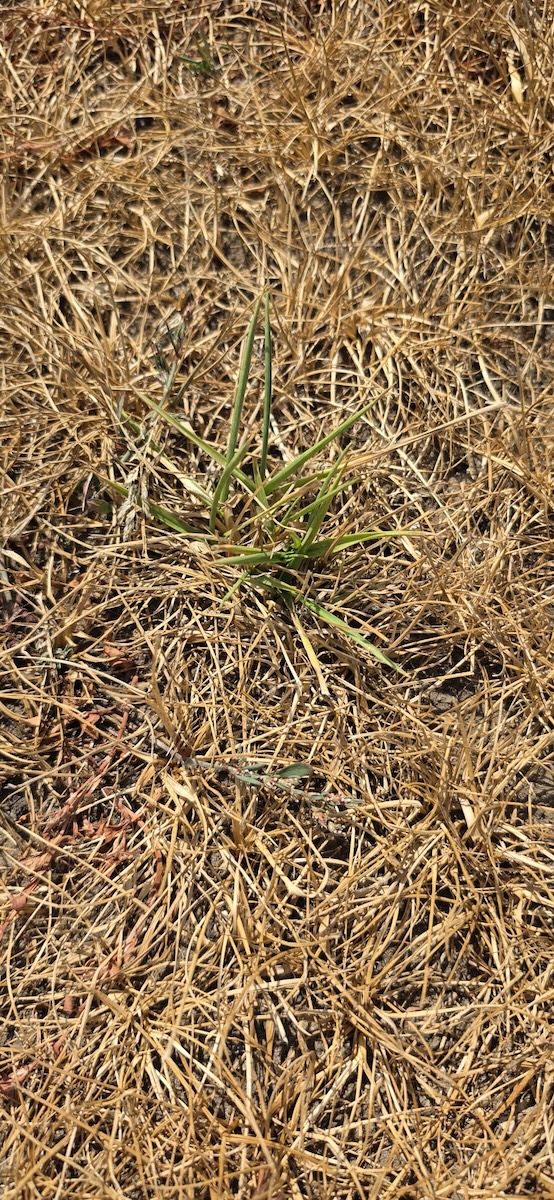
In one reported case, irrigation costs have risen by around 40 percent. Drought-related damage could push waste to roughly twice its normal level, even after extensive restoration work – significant numbers in a sector where margins were already tight.
Critically, the TGA warns, those pressures do not end when the rain returns. The consequences for turf availability, lead times and the economics of production raise the prospect of reduced availability and shorter supply across the market.
‘The economics have changed’
“With more than two-thirds of England now officially in drought, the scale of the challenge facing turf growers has never been clearer,” said Richard Owens, chair of the TGA.
“This is not an isolated problem affecting one part of the country or one difficult growing season. The economics of turf production have changed, with growers facing substantially higher costs and greater production risk than in previous years. Individual businesses will need to assess those pressures within their own operations and make their own commercial decisions accordingly.
“For landscapers and contractors, a healthy domestic turf-growing sector is essential. If growers are unable to maintain economically viable production, capacity will come under pressure and that could ultimately affect the availability of turf in the market.”
This is England’s third drought in five years, after 2022 and 2025.
Why turf is particularly exposed
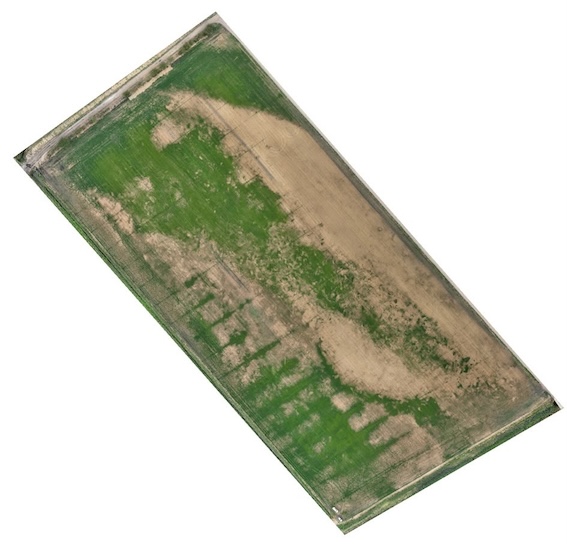
Turf production carries unusual risk because of the length of the growing cycle. Damage sustained during a drought delays maturity and harvesting, reduces yields, and ties up land that would otherwise be in production for future crops.
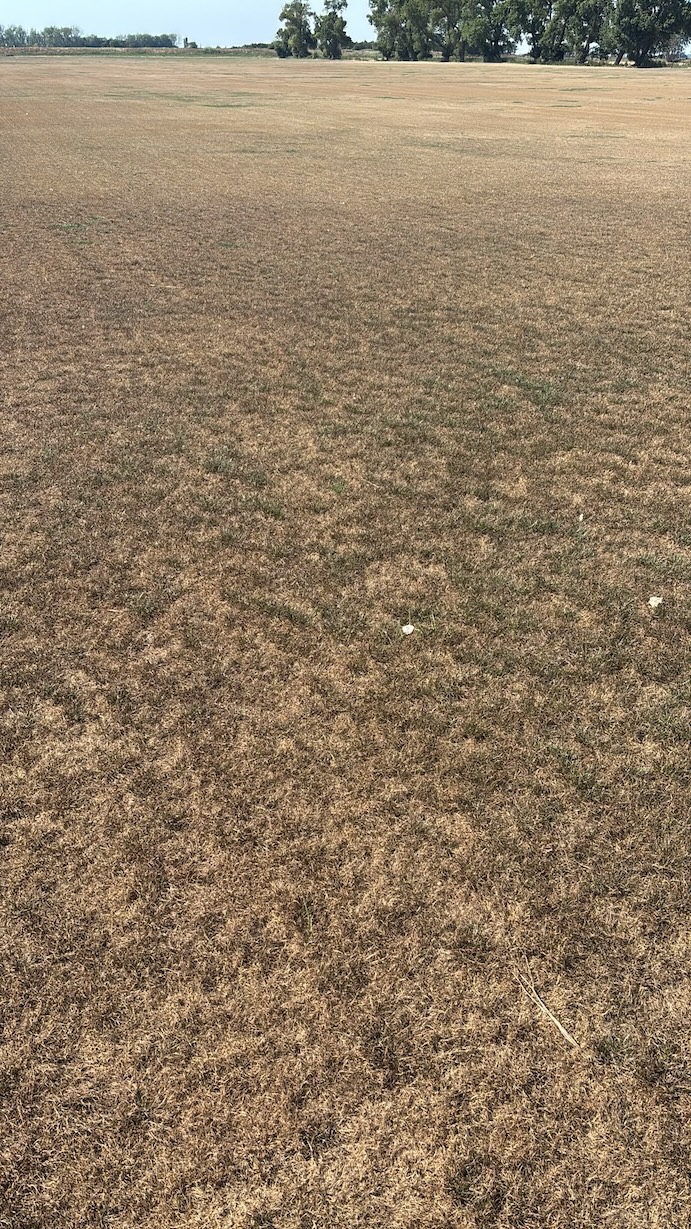
“As growers, we have seen the impact of this summer in the field every day,” said Stuart Ridd-Jones, director at Harrowden. “Prolonged dry weather puts pressure on every part of turf production. Irrigation demand rises quickly, heat and drought stress can damage crops, and getting those fields back to where they need to be takes time, labour and investment.
“Rain doesn’t simply reset the clock. We can still be dealing with poor yields, renovation work and delayed harvests months after the weather has changed. These are real costs and real risks that have a direct impact on the economics of producing turf and on our ability to maintain the reliable levels of supply that customers expect.”
Where water is available, irrigation protects the crop but carries substantial additional energy, labour and infrastructure costs. Where damage has been more severe, growers may need to overseed and renovate before a crop returns to saleable condition.
Fuel costs compound the problem
Those pressures sit on top of sustained increases in fertiliser, seed, machinery, labour, transport and energy costs.
“We cannot remember a year as challenging as this one,” said David Waring of Sovereign Turf. “The scale of the cost increases facing growers like us is significant. Reports suggest that, as of April 2026, the price of red diesel had risen by 79 percent compared with the 2025 average, leaving UK farmers facing an estimated £337 million in additional red diesel costs this year as a result of the Iranian conflict.
“With 2026 proving to be one of the most extreme weather years on record, further significant pressure has been applied. Demand for irrigation, and in turn diesel, is off the scale. Even with good water security, wastage is likely to be significantly above normal and supply pressures are becoming increasingly likely. These additional costs and production risks underline the level of investment now required to maintain a reliable supply of quality turf.”
Looking beyond 2026
The TGA is clear that resilience is not simply a matter of recovering the costs of one hot, dry summer. Growers also need to invest in water storage, irrigation, machinery and crop management to build capacity against conditions that are becoming more frequent.
Production decisions taken now will influence turf availability months or even years ahead. Reduced investment or lower production acreage could create capacity constraints later and leave the market exposed during periods of high demand.
The association is asking customers to work closely with growers and to plan requirements as early as possible, particularly where significant volumes are involved. Individual growers remain responsible for setting their own prices and commercial terms.
“We also recognise that businesses throughout the landscaping and horticultural supply chain are facing their own cost pressures,” Owens said. “That is why constructive conversations between individual growers and their suppliers and customers are so important. We need a supply chain that recognises the pressures facing all parts of the market and supports long-term resilience.”
He added: “The events of this year have highlighted how exposed turf production can be to prolonged extreme weather, but this is bigger than just 2026. The climate and cost environment in which we are growing turf has changed. If we want a resilient UK turf industry that can continue supplying landscapers, horticultural businesses and domestic customers with quality turf, the sector needs to remain economically viable and capable of investing for the future.”