
Juan Moreno Pedrosa is the head greenkeeper at The Alto Club in Sotogrande, Spain. The venue, previously called Almenara Golf Course, was a 27-hole layout, but it has now been rebranded and has reopened as a world-class 18-hole venue, with a par three course and academy. Here, he explains why having the shorter course and academy gives the greenkeeping team opportunities to trial agronomic ideas that ultimately benefit the whole facility, but particularly the main course.
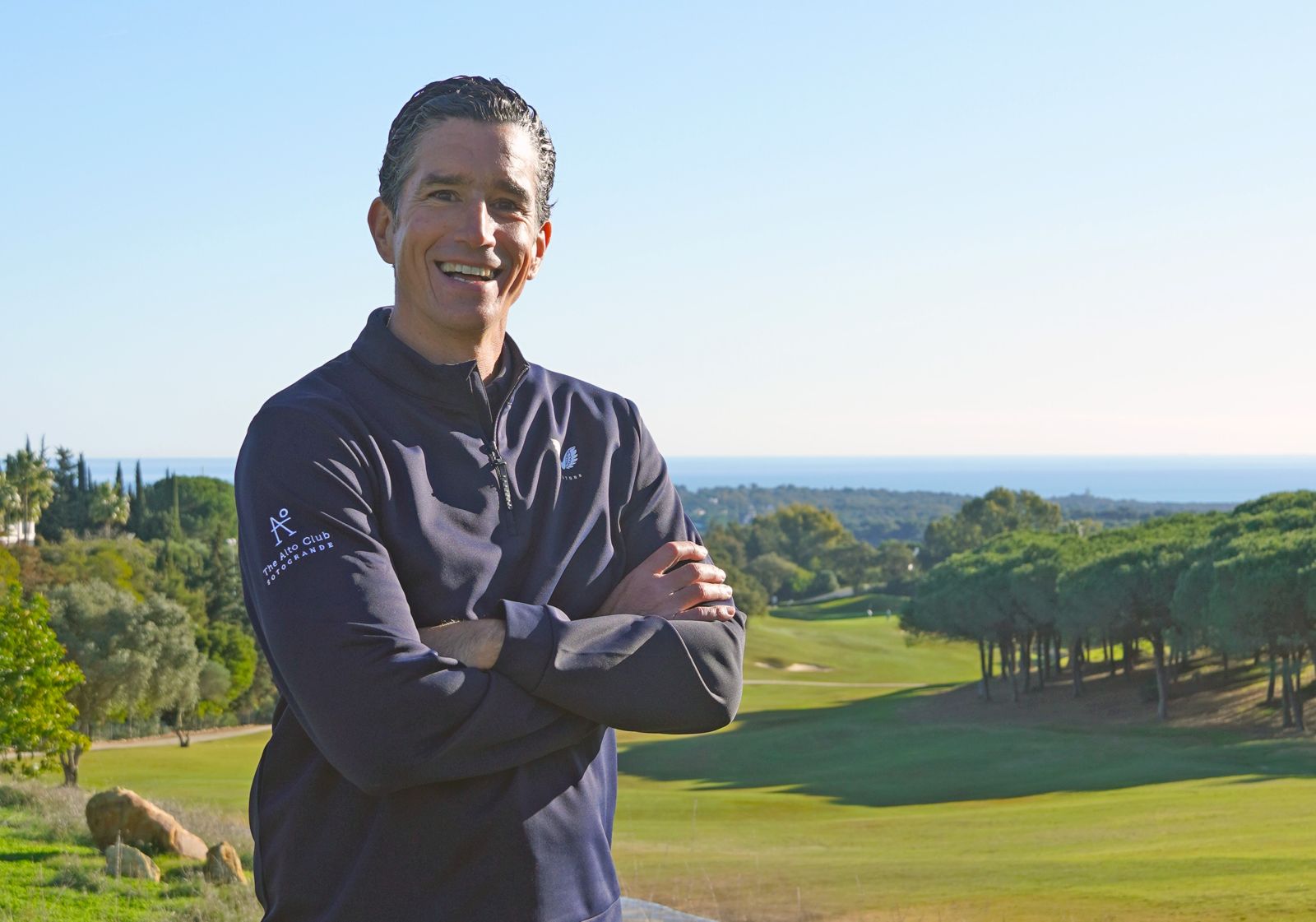
You have been directly involved in the transition from Almenara to The Alto Club. How would you describe the process of evolving both the standards and the identity of the course within the wider Sotogrande estate?
This evolution has been far more than a simple rebranding exercise. It has marked a clear strategic shift in how the course is positioned, managed and experienced, with ecology and sustainability now sitting at the heart of our daily operations. Working within such a privileged natural environment brings a responsibility to think long term, particularly in agronomy, resource management and biodiversity protection. Every decision is now guided by what is right for the land over time, rather than short term visual impact alone.
That philosophy is evident in both the standards we are setting and the identity we are shaping. From a maintenance perspective, we are taking a more thoughtful and data led approach that supports healthier turf, stronger resilience and more consistent playing conditions. At the same time, we have focused on reinforcing a genuine sense of place within the wider Sotogrande estate. Small but meaningful details, such as replacing traditional coloured tee markers with wildlife symbols representing local species, help connect golfers more closely with the surrounding landscape and underline The Alto Club’s distinct character. The result is a course that feels more authentic, more responsible and fully aligned with Sotogrande’s long term vision.
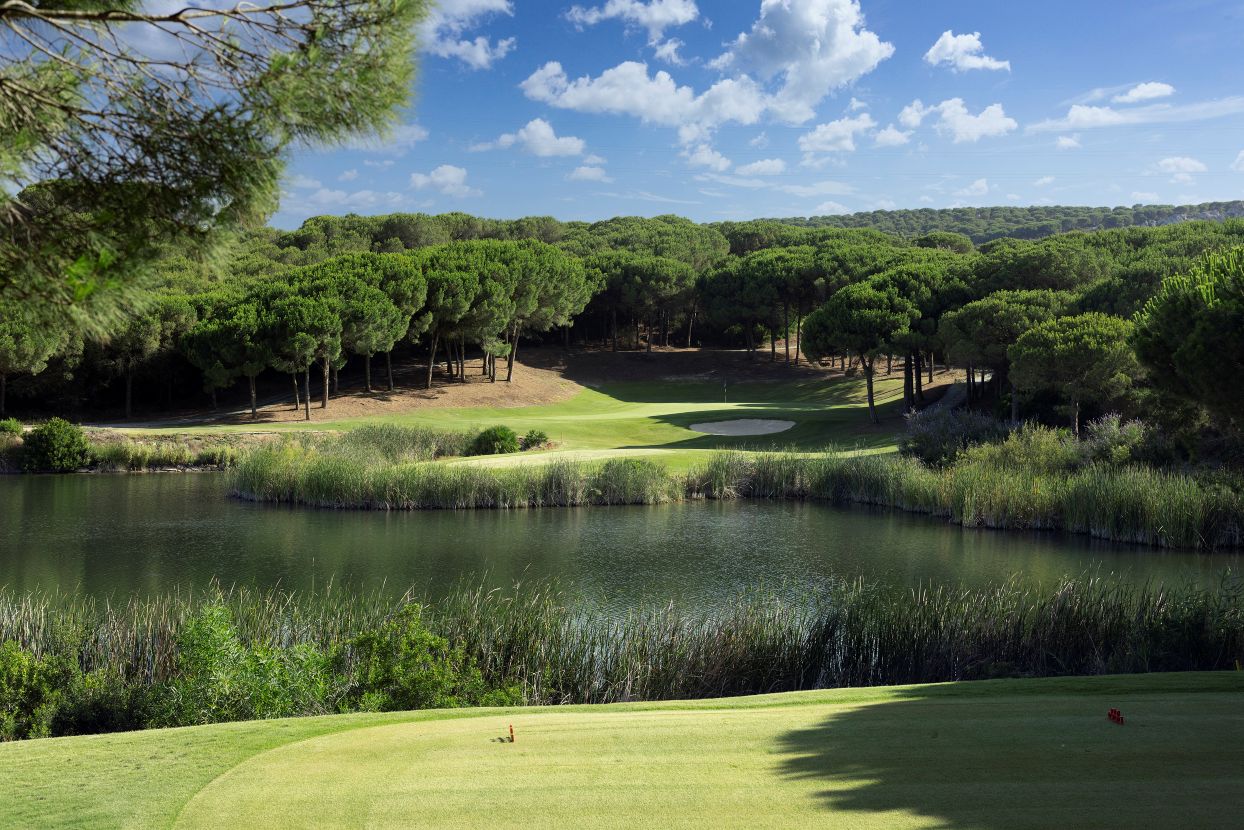
Moving from a 27-hole layout to an 18-hole course is a significant change. From a greenkeeping perspective, what opportunities has this created in terms of conditioning, focus and overall playing quality?
The move from 27 holes to 18 holes has given us a far clearer operational focus and has significantly raised the ceiling in terms of conditioning and consistency. With fewer holes to manage, we can allocate more time, expertise and resources to each playing surface, which allows us to pursue higher standards across the board and deliver a more refined and reliable playing experience day in day out.
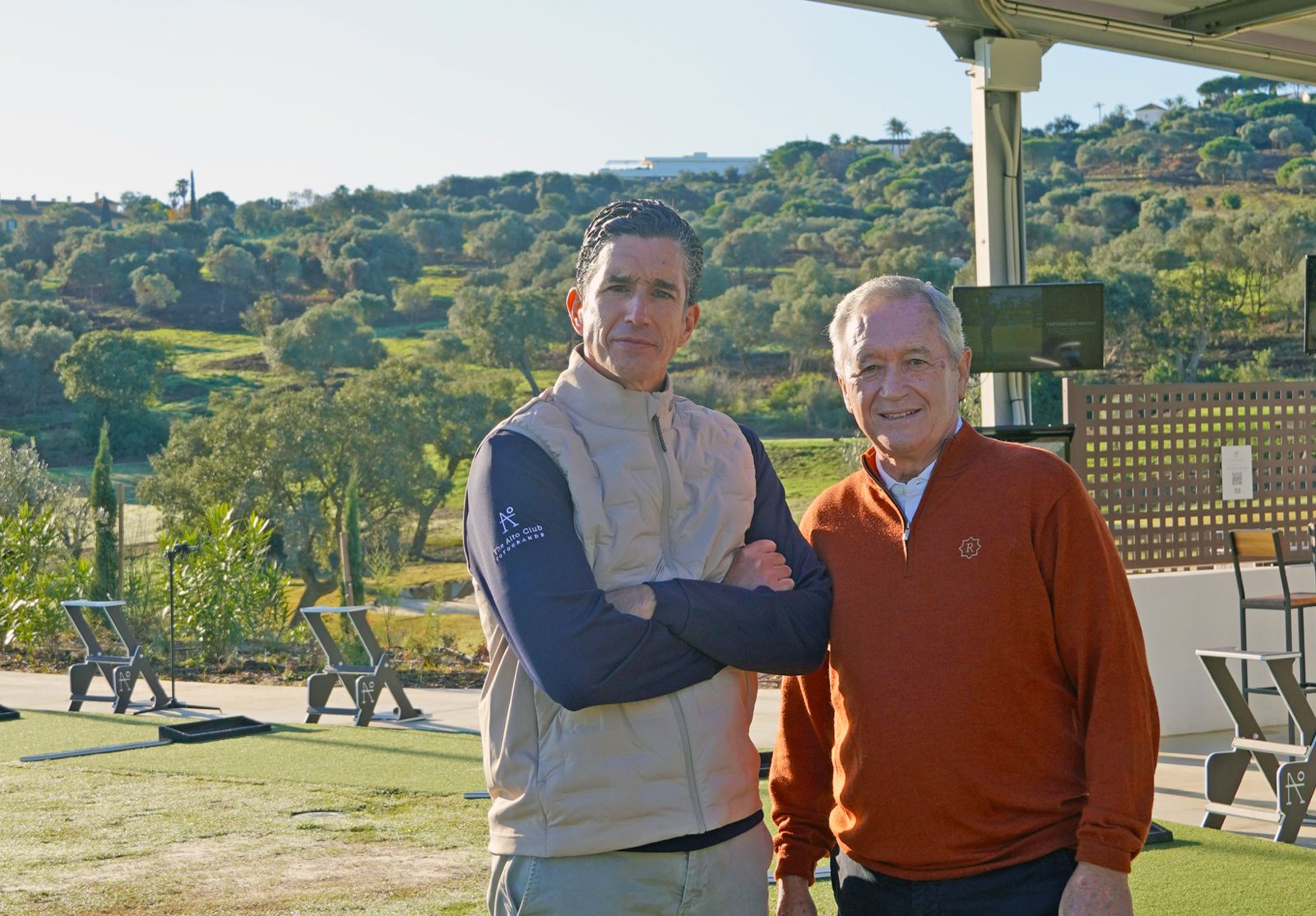
Alongside this, the development of the short course and golf academy has played a key strategic role. These facilities are not only an enhanced product offering for the resort, but also a practical testing ground that informs the future direction of the main course. The design of the practice areas, led by Manuel Piñero, has been fundamental in clearly defining their function, flow and strategic purpose, ensuring they cater equally well to elite level training and everyday resort use.

The academy is equipped with the latest technologies, which enhance player enjoyment and support meaningful swing development, while positioning it as a benchmark for golf practice in southern Spain. From a greenkeeping and agronomic perspective, this well considered design and advanced infrastructure allows us to trial new approaches in a controlled environment. We have implemented C4 grasses across all playing surfaces, using TifEagle UltraTurf on greens and Bermuda 419 on tees and fairways, while out of play areas have been established with native species to better reflect the surrounding landscape and reduce resource input.
This approach gives us valuable insight into turf performance, presentation standards and resource efficiency, while supporting elite practice conditions and elevating the wider resort experience. Ultimately, it allows us to be more precise, more sustainable and more ambitious in how we manage the main course, with long term playing quality firmly at the centre of our decision making.

The new golf academy is a major addition to The Alto Club. How has this development influenced maintenance planning and the way the course supports both elite practice and the wider resort experience?
The development of the short course and golf academy has had a significant influence on how we plan maintenance and think about the long-term evolution of the main course. Beyond being an enhanced product offering for the resort, these areas have been conceived as a practical testing ground that allows us to explore and validate the future agronomic direction of The Alto Club in a controlled and purposeful environment.
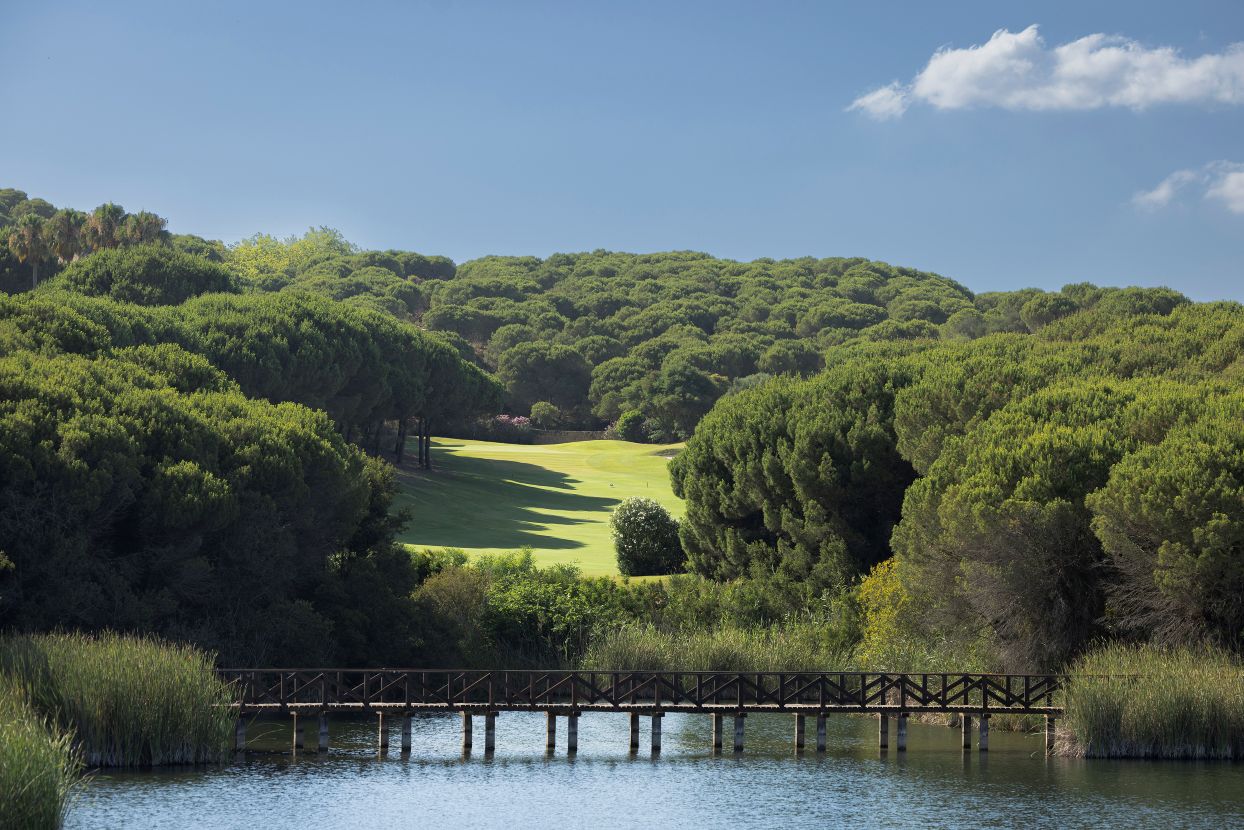
From a maintenance perspective, this gives us valuable flexibility. The academy allows us to trial agronomic strategies, turf species and presentation standards without compromising the day-to-day performance of the main course.
This approach supports elite level practice by providing high quality, consistent surfaces that mirror championship conditions, while also enhancing the wider resort experience through improved aesthetics, playability and sustainability. Importantly, it allows us to gather data, refine maintenance practices and make informed decisions that can later be applied to the main course with confidence. The result is a more efficient, resilient and future focused maintenance model that aligns performance, sustainability and guest experience under one clear strategy.

The Alto Club plays an important role within Sotogrande as a destination. How do you balance delivering high performance playing conditions while meeting the expectations of a luxury resort environment?
Operating within a region renowned for both the quality and density of its golf courses means expectations are naturally very high. Visiting golfers expect consistently strong playing conditions, while resort guests also look for an experience that feels refined, seamless and in keeping with a luxury environment. Balancing those two elements starts with an uncompromising focus on detail, reliability and quality across every aspect of maintenance.
From an agronomic perspective, careful turf selection and continual refinement of our maintenance practices allow us to deliver high performance playing surfaces throughout the year. By matching grass species to local climate conditions and usage patterns, we can maintain firmness, consistency and visual quality while keeping inputs, water use and long-term costs under control. This ensures performance is not achieved at the expense of sustainability or operational efficiency.
The work being carried out on the short course and golf academy further strengthens this balance. The testing and development taking place there gives us greater confidence in our decisions and supports our ability to present the main course at its best year-round. Ultimately, the goal is to deliver playing conditions that satisfy discerning golfers while creating an environment that feels calm, natural and polished, fully aligned with Sotogrande’s positioning as a world class luxury destination.
