
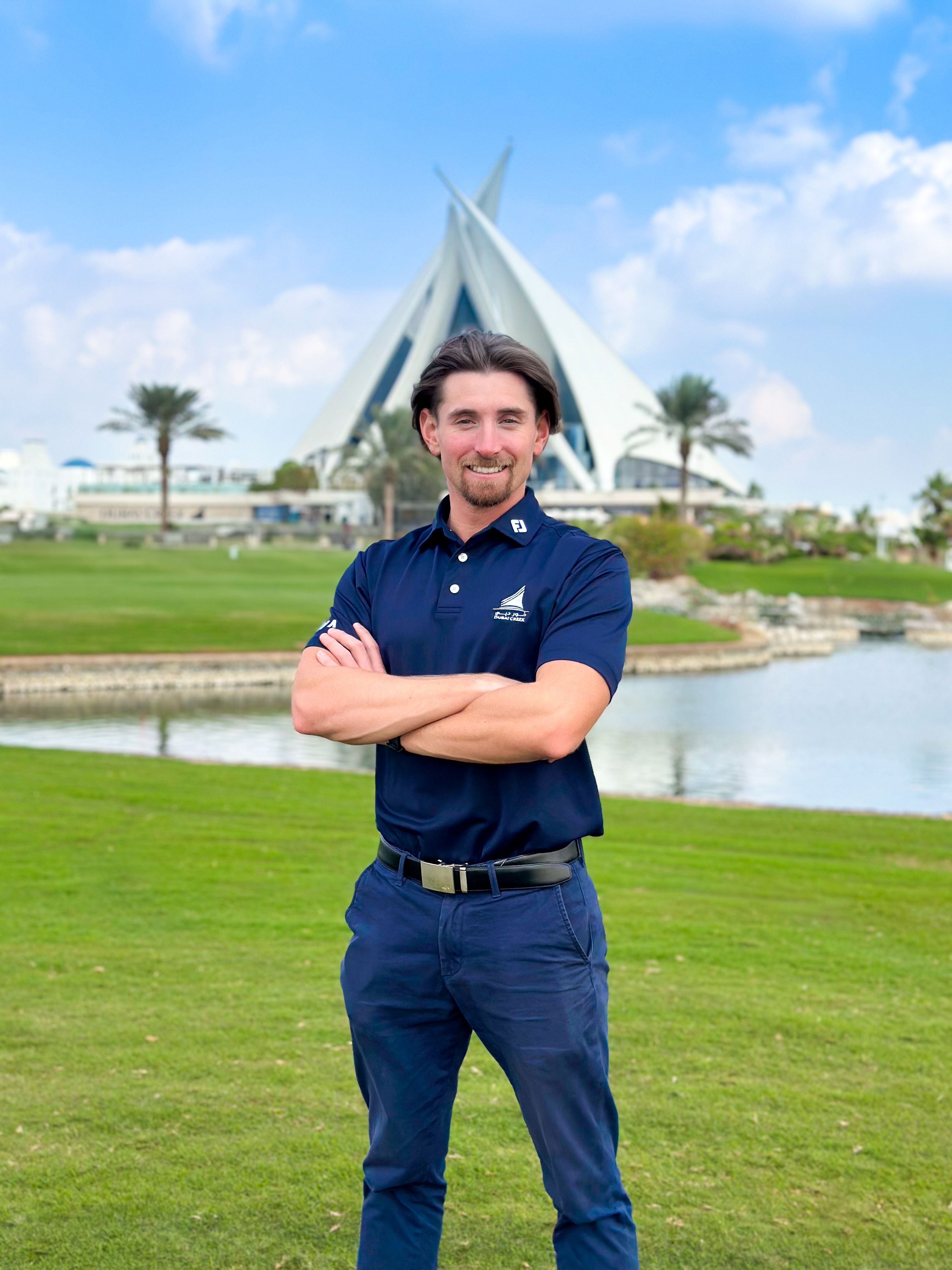
Less than two years after arriving in Dubai to work on a golf course, Harry Wells was named golf course superintendent at Dubai Creek Golf and Yacht Club. Here he talks about preparing the course to host a DP World Tour event and carrying out a major upgrade to the club’s irrigation system.
Could you introduce yourself and tell us what your current position is?
My name is Harry Wells, and I’m the golf course superintendent at Dubai Creek Golf and Yacht Club in downtown Dubai.
I’m originally from Hertfordshire in the UK and have been around golf all my life. My father was a course manager in the UK for many years, so my earliest memories are of me running around the golf course and trying to persuade my dad to let me drive the machines when I was probably five or six years old.
I left school at 16, studied sports at college, and worked part-time at my local golf club, Brocket Hall. Eventually, I decided I enjoyed working on the golf course more than the path I was taking with my studies, so I left college and started working full-time. Over the years, I gained qualifications and experience at various clubs, including South Herts Golf Club, Wentworth for the PGA Championship, and even overseas with placements in both Australia and the USA.
I then moved to Dubai in 2020 and joined Dubai Creek as assistant superintendent. In January 2022, I was promoted to golf course superintendent at just 27 years old. It was a big opportunity for me, and I’ve knuckled down since, leading the team through some exciting challenges.
Can you let us know a bit more about your background, your time with Dubai Golf, and what led you to this point?
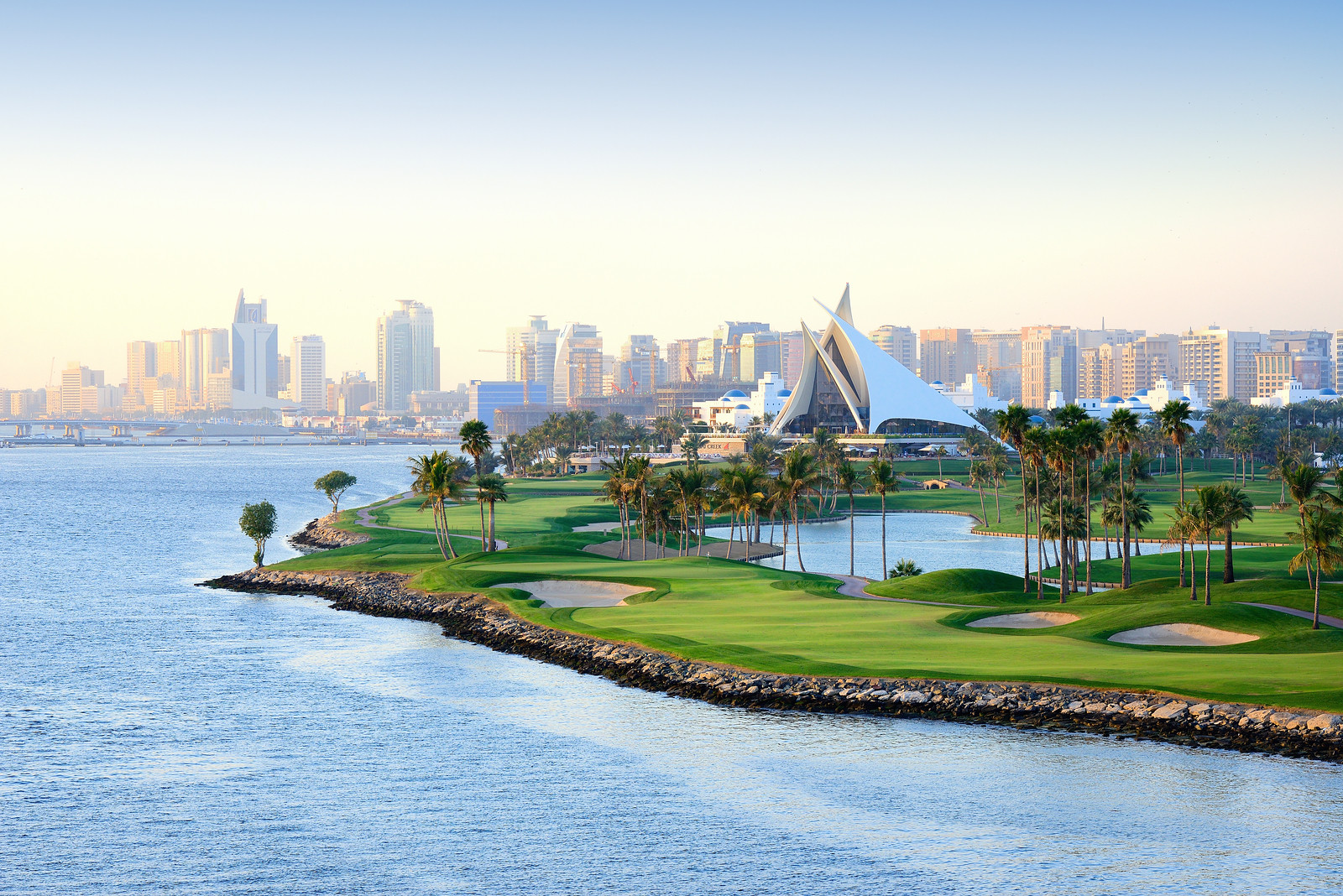
After gaining experience at several clubs in the UK, I chose to pursue international opportunities, which really helped shape my approach to course management. I worked in Australia at Royal Sydney and then joined the Ohio State University Programme in the USA, which included placements at Liberty National and LA Country Club. Each experience taught me something different, whether it be tournament preparation, learning to manage warm-season grasses or modernising course infrastructure.
When Covid hit, opportunities became limited, so I took an internship in Dubai at Jumeirah Golf Estates (also part of the Dubai Golf group). Midway through, an assistant superintendent role opened at Dubai Creek, which I was offered in 2021. After 18 months, I was promoted to superintendent. Last year we hosted a DP World Tour event – being responsible for the course on the world stage at just 28 years old has definitely been a career highlight.
Dubai Creek hosted the Dubai Invitational on the DP World Tour last year. What was it like to prepare for and host the event?
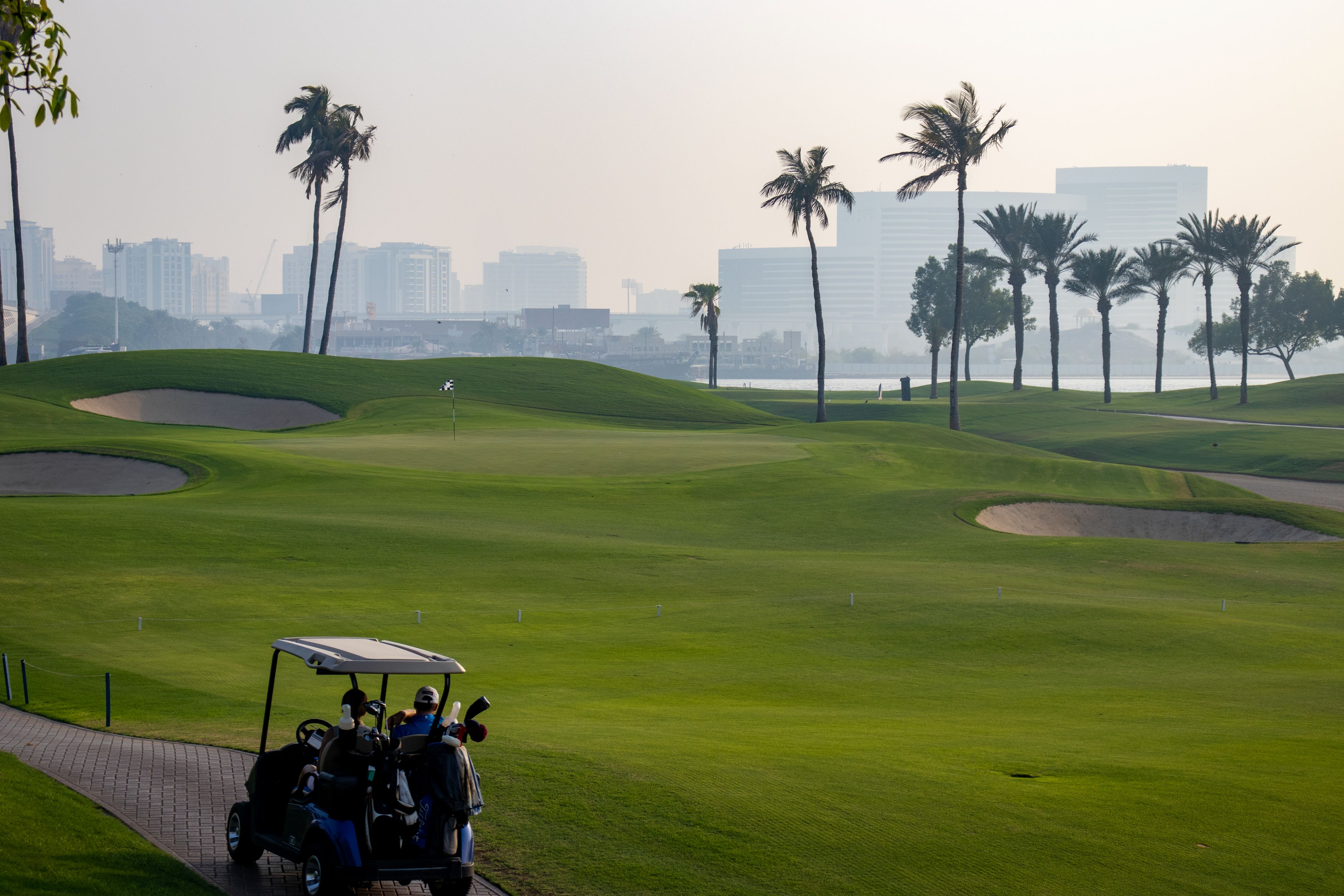
It was Dubai Creek’s first major tournament in over two decades, so there was a lot of excitement around the club. We started preparing in the late summer, being cautious during our renovation period to avoid over-stressing the greens. While we aim for tournament-quality conditions year-round, hosting an event of this stature requires that extra little push.
The team worked tirelessly in the months leading up to it, putting in extra hours in November and December. We had additional staff and volunteers to help fine-tune details like bunkers and desert areas. The tournament week itself was intense, but rewarding. Having players like Tommy Fleetwood and Rory McIlroy in the final group was a dream scenario for us really. There are a few things I’d do differently next time, but overall, it was a fantastic experience for me and the team.

Following the busy winter season of 2023/24, the club embarked on a total overhaul of its on-course irrigation system. Can you explain the idea behind that and why you decided to do it?
The previous irrigation system was outdated and inefficient. Dubai Creek is one of the oldest courses in the region, and the infrastructure in place reflected that. A lot of our pipes were too small in diameter, making it impossible to deliver the required amount of water in the short window we have for irrigation. Standards and expectations have risen significantly since the course was built, so upgrading to a modern system was essential.
Our newly installed irrigation system allows us to water accurately, efficiently and sustainably, meeting the needs of golfers and ensuring the course’s long-term viability.
Can you then explain the process? What has been changed or installed, and how is it now easier to operate?
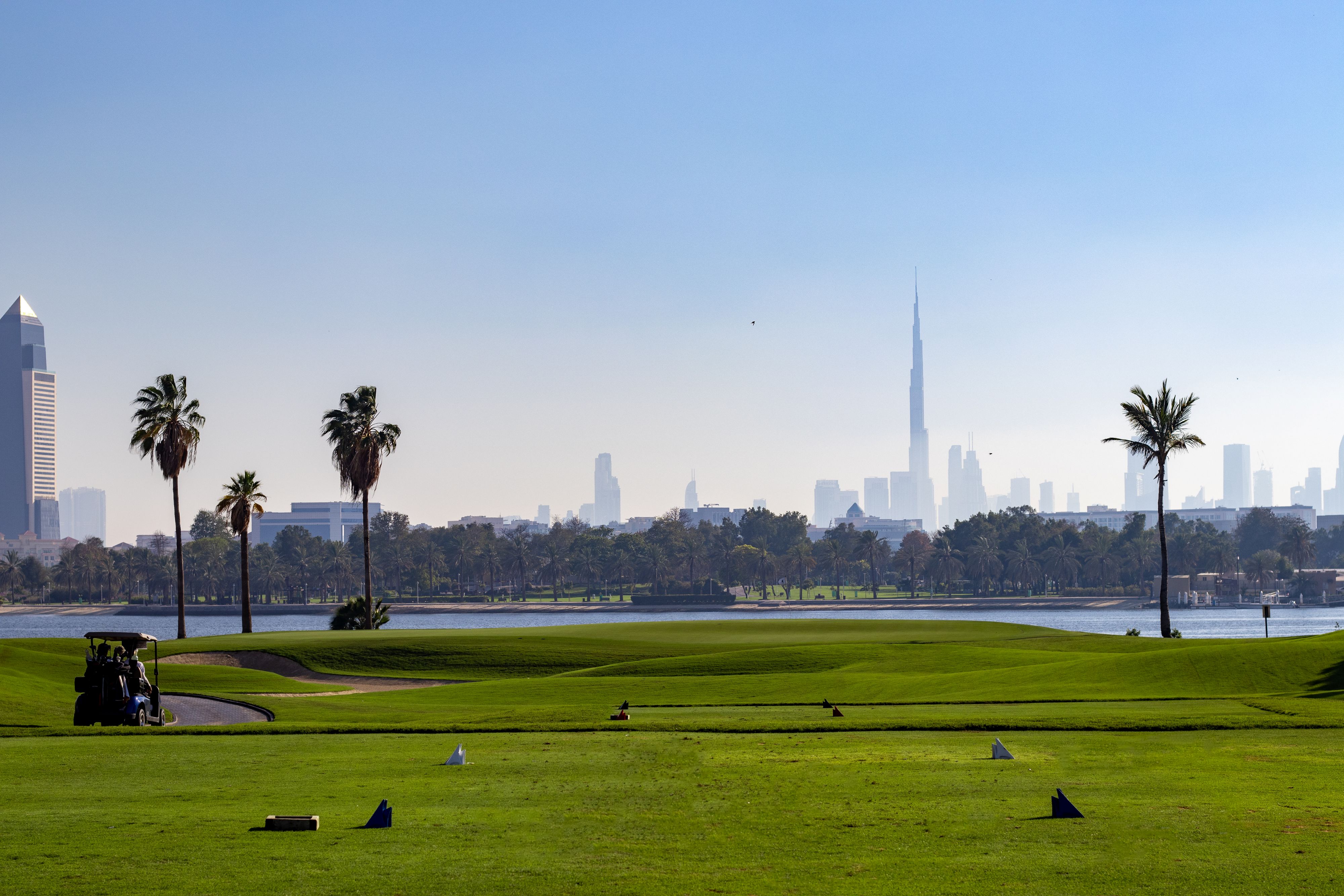
We replaced everything: new pipes, sprinklers and control systems. We upgraded from PVC to HDPE pipes, which are larger and more durable. This means we can carry significantly more water in a shorter period of time. We increased the number of sprinklers around the course from 1,300 to 2,900, providing much greater accuracy and coverage.
We also moved from a satellite-based system to a two-wire system. Each sprinkler now has an ICM (individual control module), communicating directly with our central control system. It’s all live and accessible via tablets and phones, allowing us to monitor and adjust irrigation from anywhere on the property. This technology is far more precise and user-friendly, while allowing us to avoid wastage.

Is the project now complete? And have you seen any positive results since the installation?
Yes, the project is now complete, and we’re already seeing positive results. Our overall turf health has improved significantly because every area is being watered correctly. We’ve also noticed a reduction in fertiliser use and more consistent playing surfaces. Our bunkers are even playing better too, as they’re not being watered by sprinklers that are set to cover an area that is too wide. Overall, it’s been a game-changer for the course.
Can you give us any facts or figures about efficiencies you’ve made so far?
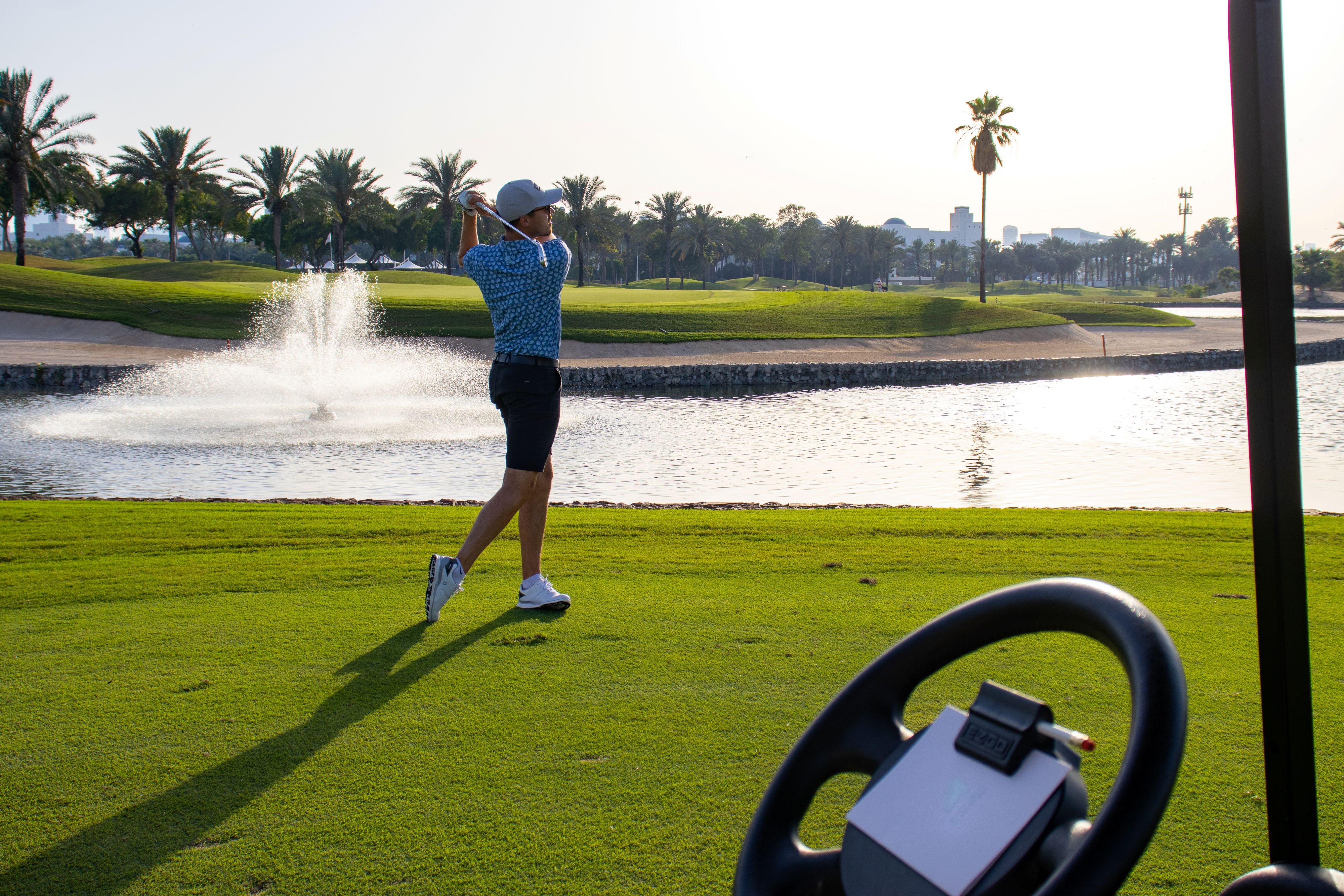
We’re projecting a 25 to 30 percent reduction in water usage annually. After just a couple of months, we’ve already seen a 15 to 20 percent reduction. The system takes live data from our weather station, ensuring sprinklers only run as needed. This precision not only saves water but also reduces wear and tear on the course. We’ve programmed all our new sprinklers to cover more precise areas too, meaning that no water will be fired into bunkers or into lakes where it would be wasted.

What’s your overall feeling about the value of an investment like this into the facility? What will it bring long-term?
It’s a significant investment for sure, but the long-term benefits are undeniable. Beyond water and fertiliser savings, we’re creating a healthier, more sustainable golf course. The new system future-proofs the club, as the pipes and infrastructure will last indefinitely now, with only software updates needed over time. It’s an investment in both the environment and the club’s reputation.

Any other thoughts about your new irrigation system?
Beyond the efficiencies and turf health improvements, it’s also made our team’s work much more efficient. We’re spending less time manually watering and more time on proactive maintenance. It’s allowing us to spend more time considering other ways to improve the property as a whole. Long-term, it’ll reduce labour and equipment costs. It’s exciting to see how this project has already transformed the course, and I’m confident it will continue to deliver value for years to come.