After the enormous success of the 2019 Open which broke records for attendance, Royal Portrush hosted the tournament again last month. We spoke to course manager, Graeme Beatt, less than two weeks before it took place, about what it takes to prepare one of the world’s best links courses to welcome the world’s greatest golfers and more spectators than ever.
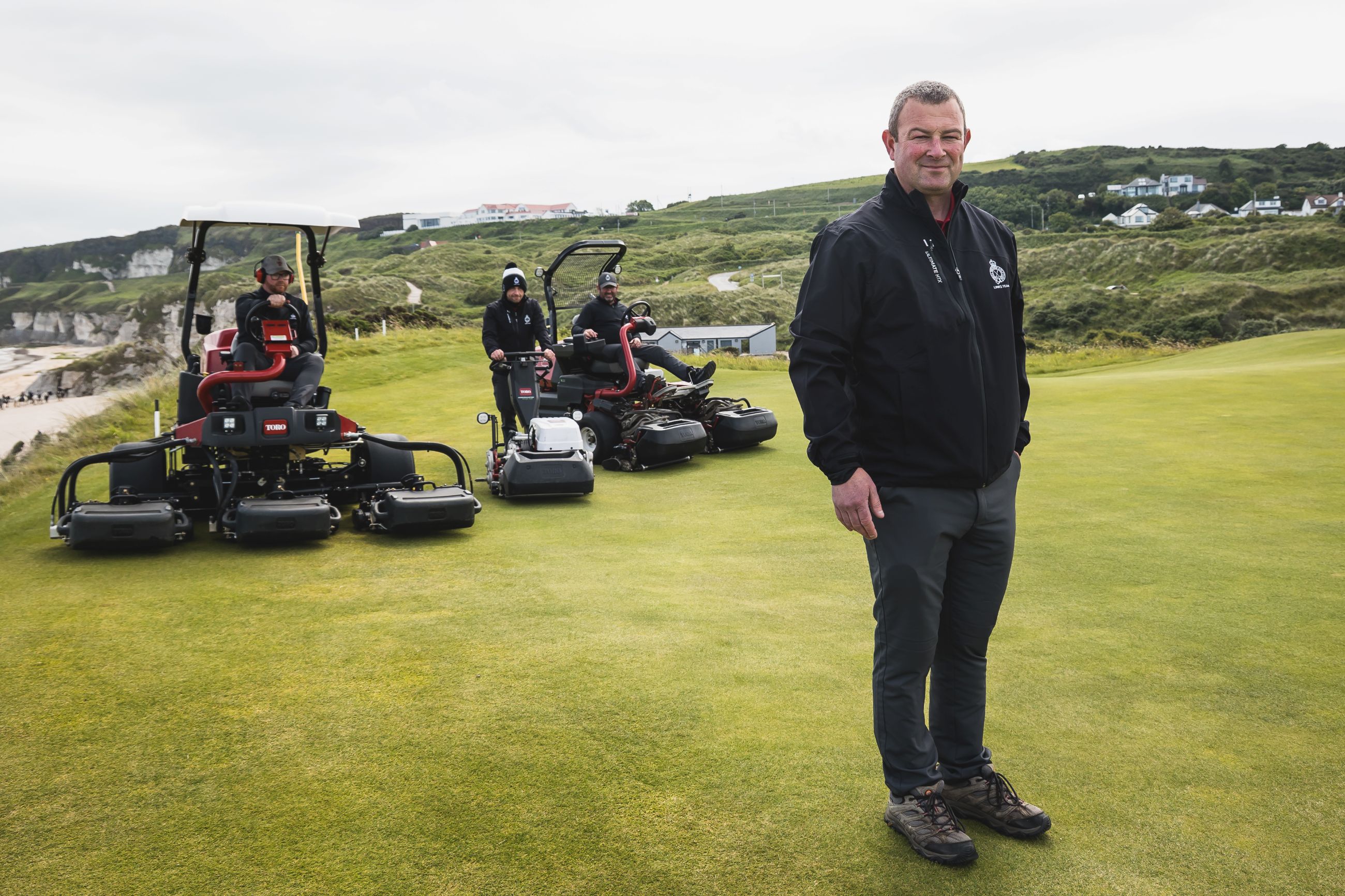
Can you tell us a bit about your career history, including how you got to be the course manager of one of the world’s greatest golf courses?
I began my greenkeeping career, like many, at my local course where I was a member.
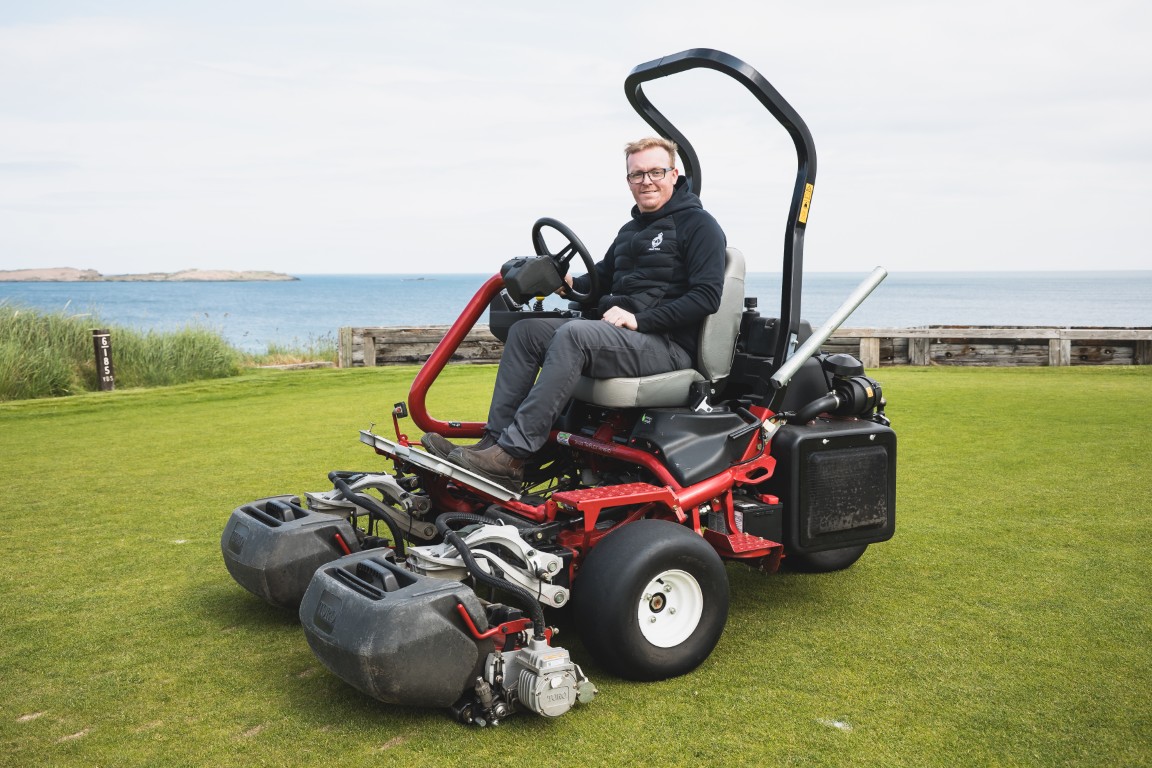
My first summer job was at Scotscraig Golf Club in 1995 when we hosted the final qualifying for the Open at St Andrews. It was really exciting for everyone at the club and one of the qualifying players was Justin Rose. I decided during that summer that I would like to pursue a career in greenkeeping and enrolled in Elmwood College before getting a full-time job.
I have done a few more courses over the years, but all while working full-time.

I moved to Kingsbarns in January 2000 at the latter stages of its construction. It was an amazing experience to work somewhere so highly rated from such an early stage in its development. Because we were there from the start of the course opening, there was a feeling of ownership among the staff, and I think that I realised then how important that sense of ownership was in a team. Working at Royal Melbourne from 2004-2005 was another great experience. I returned to Kingsbarns in 2005 then moved with my wife to a deputy course manager role in Castle Dargan in Sligo on the west of Ireland in 2006. I was promoted quite quickly to course manager. The job was challenging at times: growing in the course, carrying out a drainage project and then managing the course through a recession, but I suppose these challenges shape you as a person / manager.
I got the job as course manager at County Sligo Golf Club (Rosses Point) which is a beautiful Harry Colt design, 27-hole links which hosts the West of Ireland Amateur every year. I had a great three years there before getting the job at Royal Portrush.
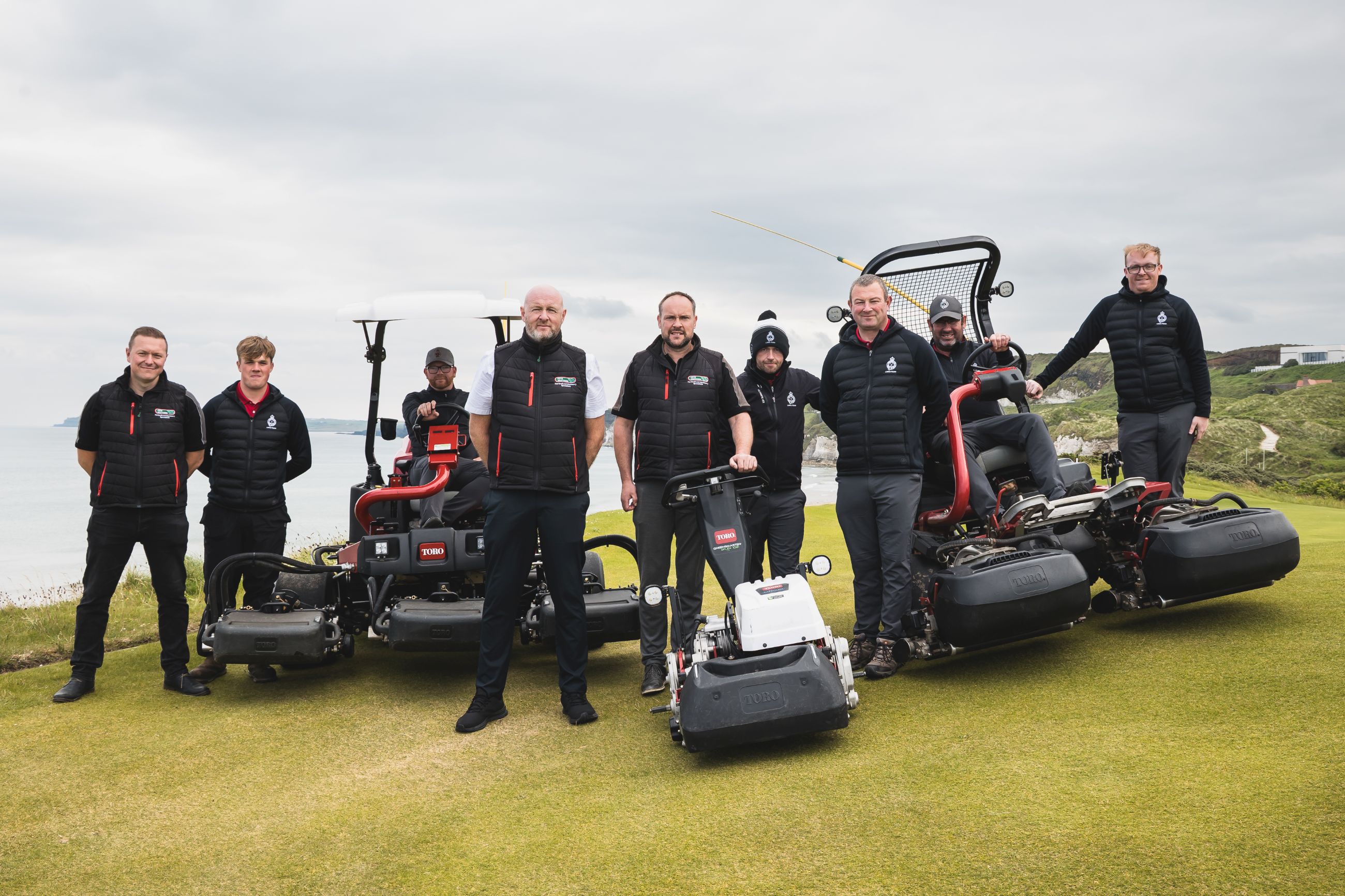
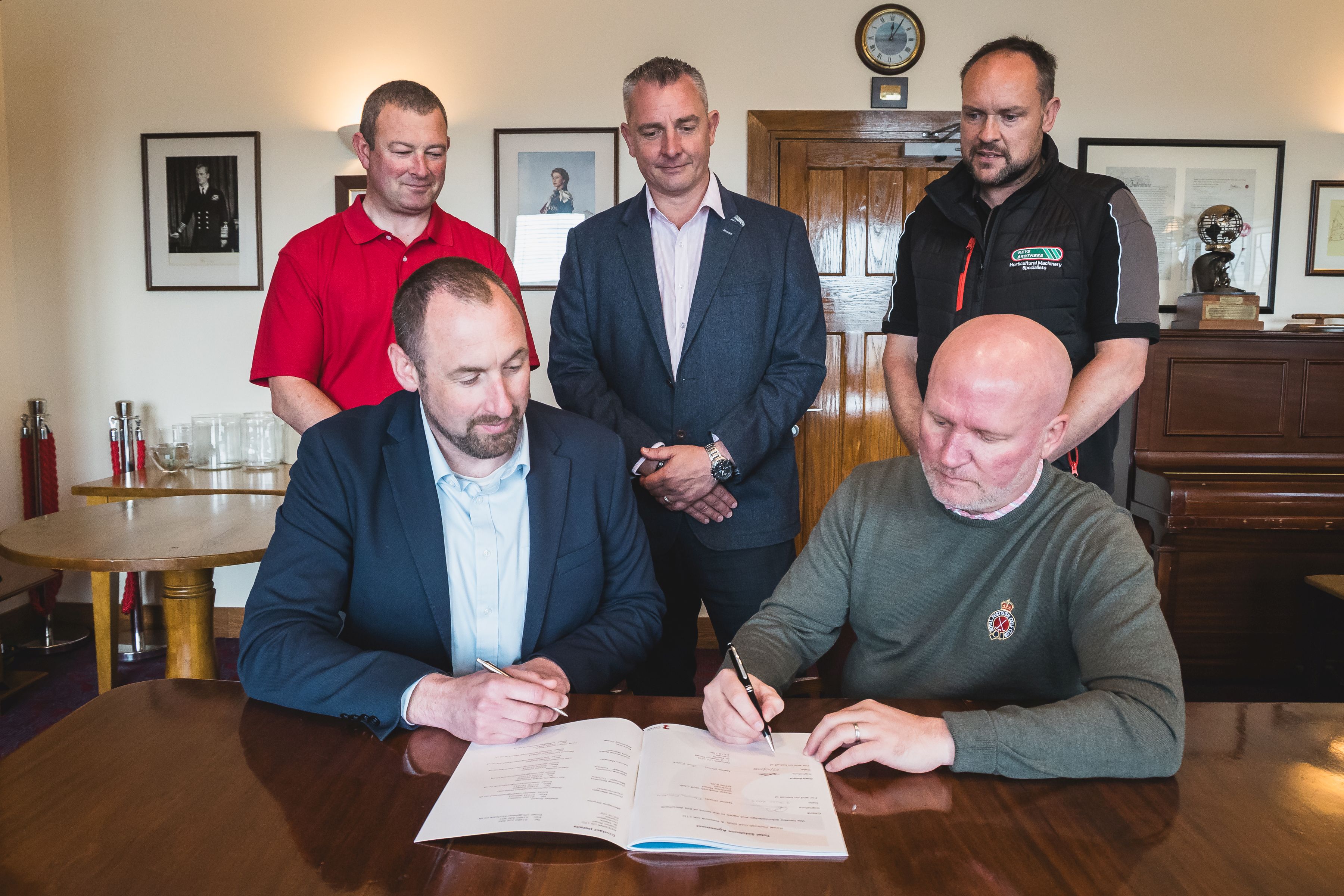
At the time of asking (early July 2025), Royal Portrush is days away from hosting the Open. What specific preparations are you undertaking to ensure the course is in optimal condition for the tournament, particularly in terms of course setup and maintenance challenges unique to the event?
Preparations tend to begin at least three years before the championship and evolve the closer you get, with construction being in the early stages of preparations. I don’t think anyone would believe how much planning goes into hosting the Open, especially now, because it has grown so much in the last few years. The square meterage of the tentage is approximately one-third bigger than even the last Open here in 2019.
We tend to do bunker construction in the two winter seasons before the year of the event and add bunker cameras and the ducting. The closer we get to the championship; the jobs carried out tend to be focussed on refinement and small details. In Portrush we must be one of the last places in the UK to get any growth and it can be a long winter waiting for the growing season to start, which can be difficult because you are sitting on your hands.
As with most courses we are extremely busy, both with member and visitor play. It used to be that most of the greenkeeping team spent the mornings setting up Dunluce before preparing the Valley for the day’s play. With both championship links now being so busy and the standard of practices the same for both links we need a large team and a great fleet of equipment to present the courses at tournament condition every day.



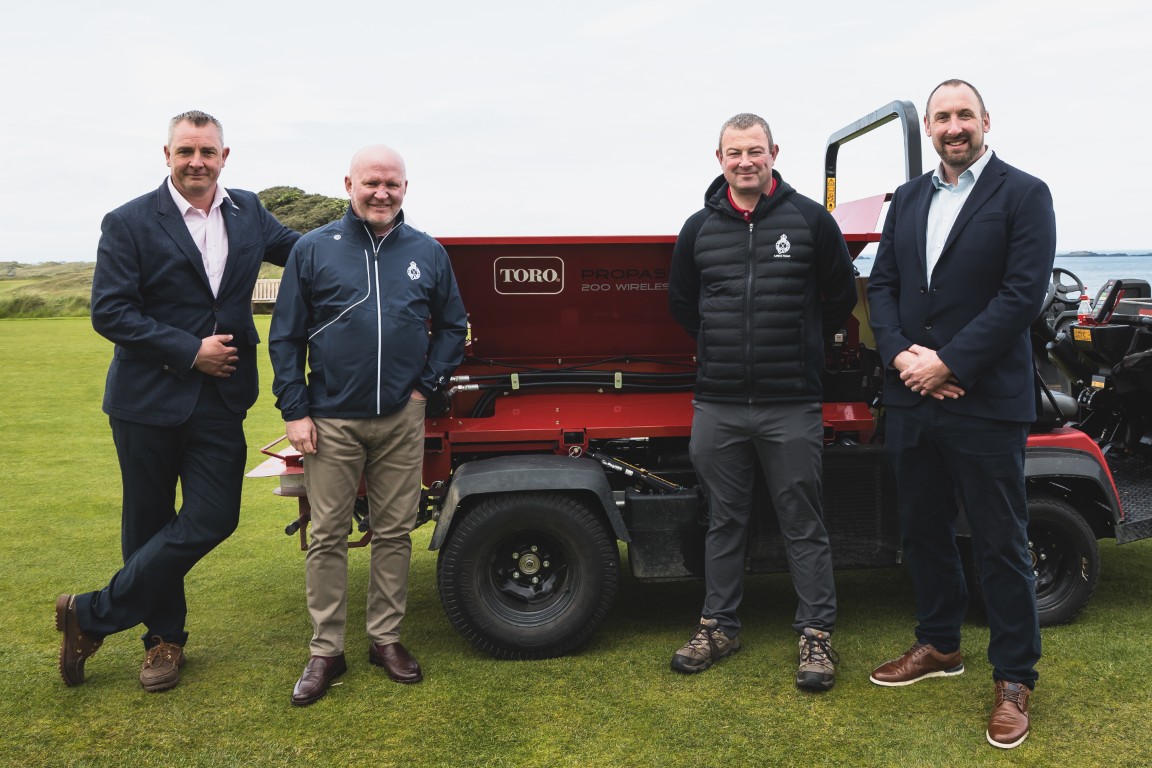

What size is your greenkeeping team and how do you coordinate and delegate tasks to ensure the course is meticulously prepared for such a prestigious tournament?
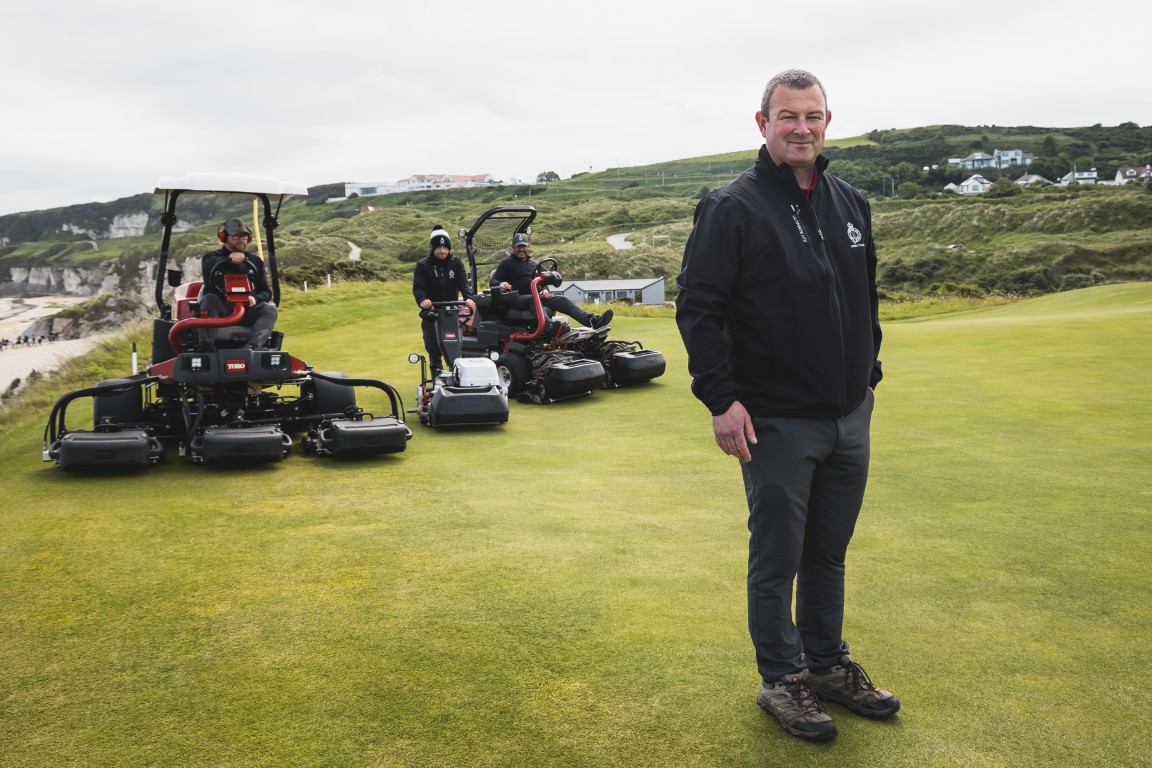
We have 28 members of staff on the links which consists of irrigation techs, spray techs, senior greenkeepers, greenkeepers and part-time staff. Our team members take ownership of all the individual tasks from certain mowing jobs, topdressing, building bunkers to looking after things for the build. These things are overseen by myself and Paul Lappin, the deputy course manager but I think everyone feels like they have their own responsibilities. Everyone takes ownership of how areas of the golf course are presented during the season and in preparation for a massive event like the Open Championship, but the way we are doing things is quite similar to a normal playing season.
Like-for-like, compared to 2019, what have you learned from and done differently this time?
For me it has been slightly easier this time in the immediate lead up to the event, even though it is quite a bit bigger than 2019. The hardest bit was managing both the course day-to-day and overseeing construction, rebuilding and growing in at the same time, with one eye on the Open coming. I am lucky to have a great team and the contractors who did the work were all fantastic so that makes it easier.
What are the challenges / pressures of hosting an event like the Open?
The demands of being there / on call 24/7 and managing the tiredness was the hardest bit in 2019. You want to be there the whole time and make sure everything is OK. Getting enough sleep is the most challenging thing during the event.
Last winter was difficult in terms of managing turf, the winter started with mild overcast weather which caused some disease and then we encountered two really bad storms, one of which topdressed the 5th, 6th and 7th for us from the sand dunes at the beach. The layer of sand caused microdochium patch on the 5th fairway. The other storm caused some scorch due to salt spray. The spring was a drought with really warm temperatures which would have been ideal if it had been in July!
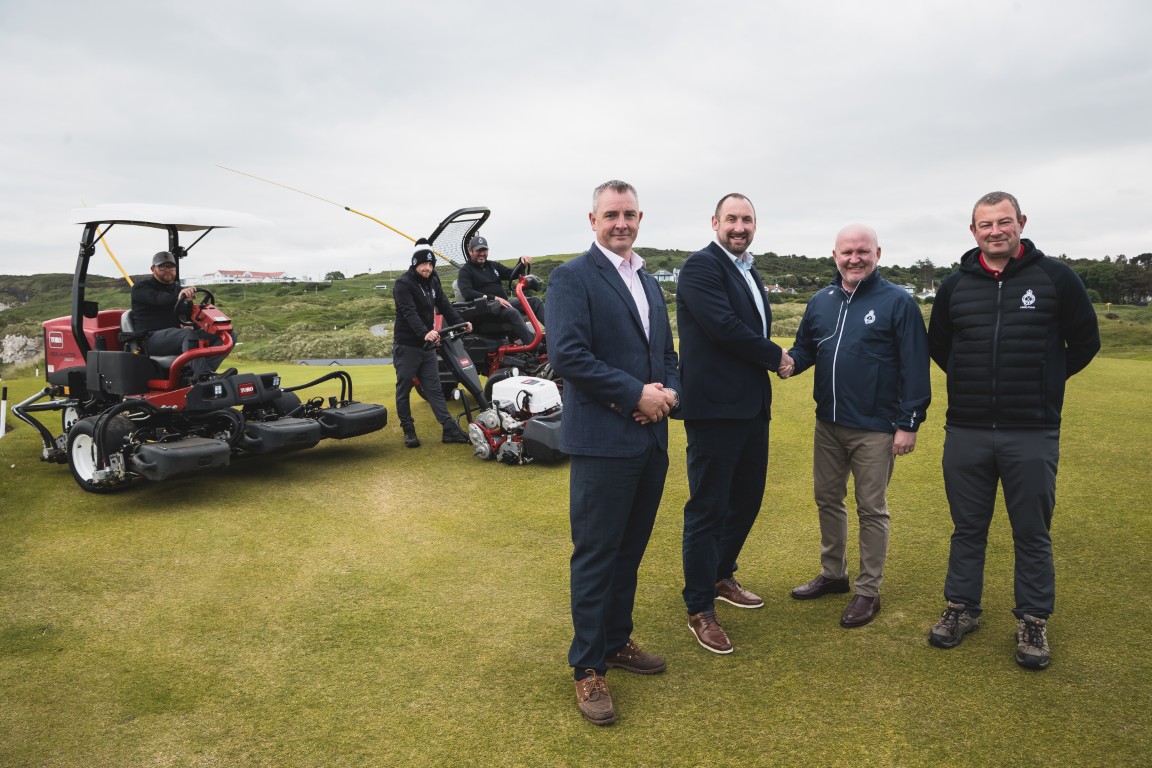
What can visitors expect when they arrive on the first day, what do you hope their experience to be?
I hope they stay relatively dry… I think that they will come to an unbelievable atmosphere again and there should be much more space in the village areas, so it should have a slightly more relaxed feel.

You have a longstanding relationship with Reesink Turfcare, how has that developed in the last 30 years and how will they support you throughout the tournament?
I think that the partnership has gone from strength to strength in my time at Royal Portrush and while we have always had good support from the dealer, the relationship and friendships continue to improve with Reesink and the Toro Company.
How does your choice of equipment impact the way you work? What are the key attributes you look for and how does Toro deliver on them?
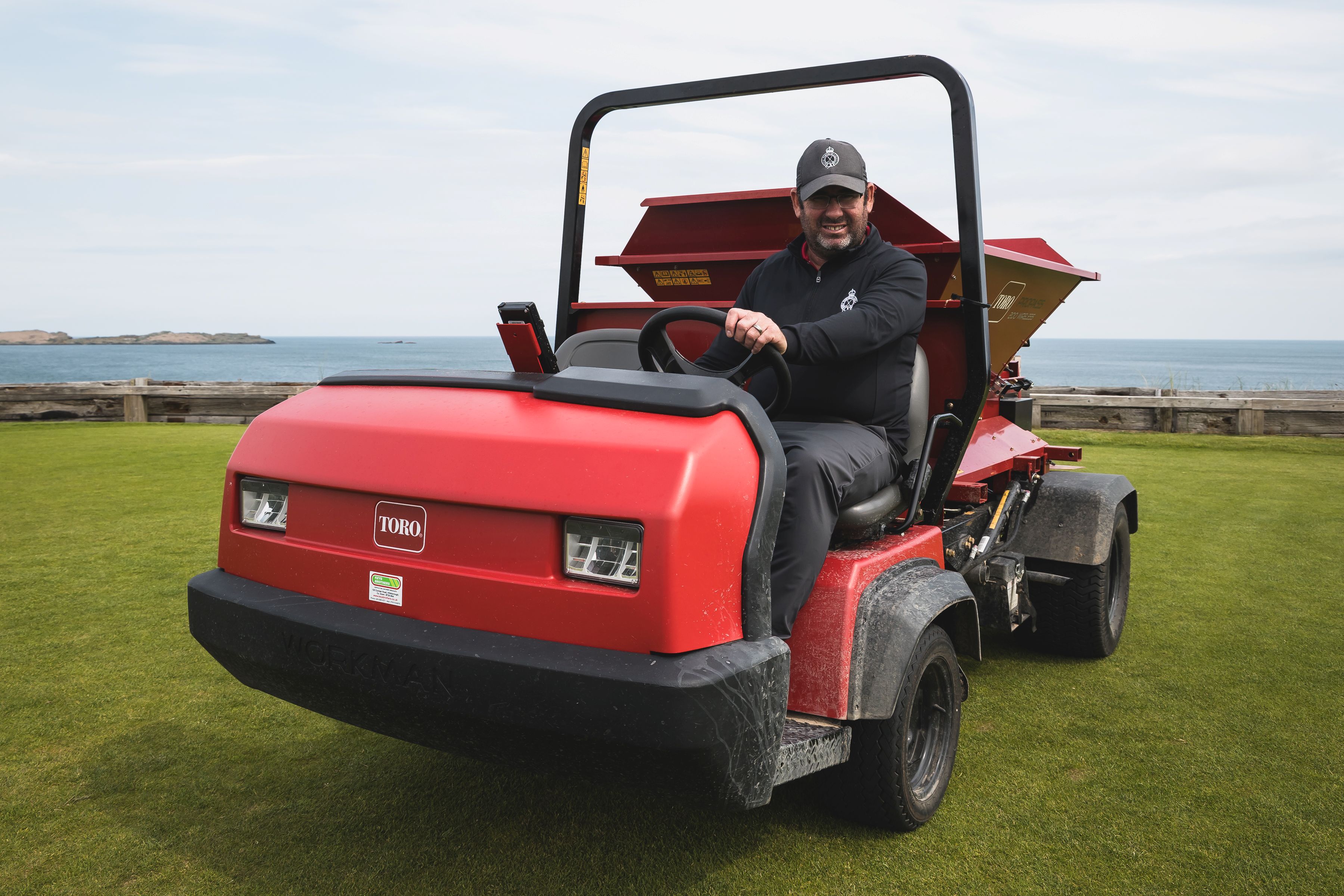
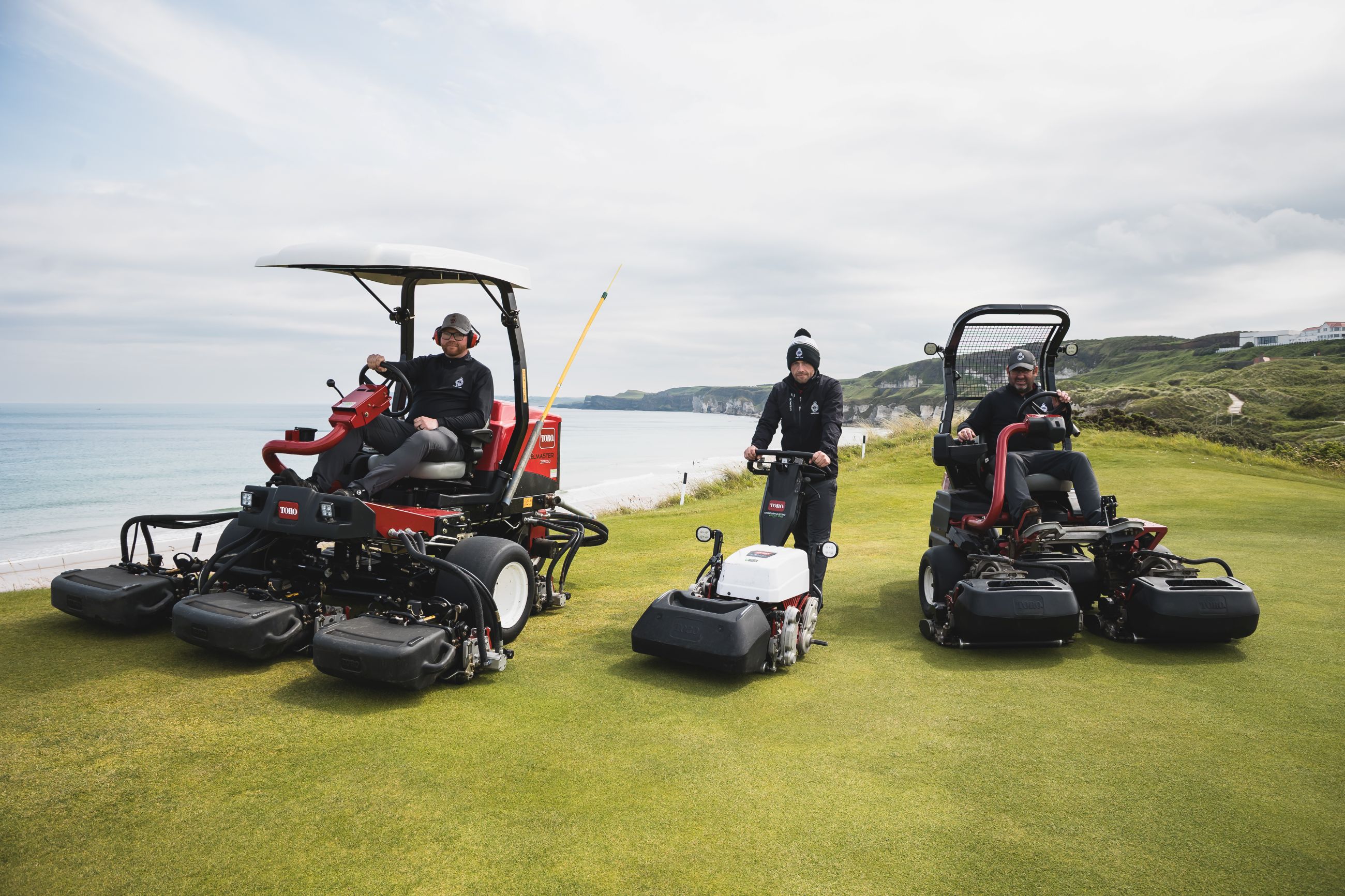
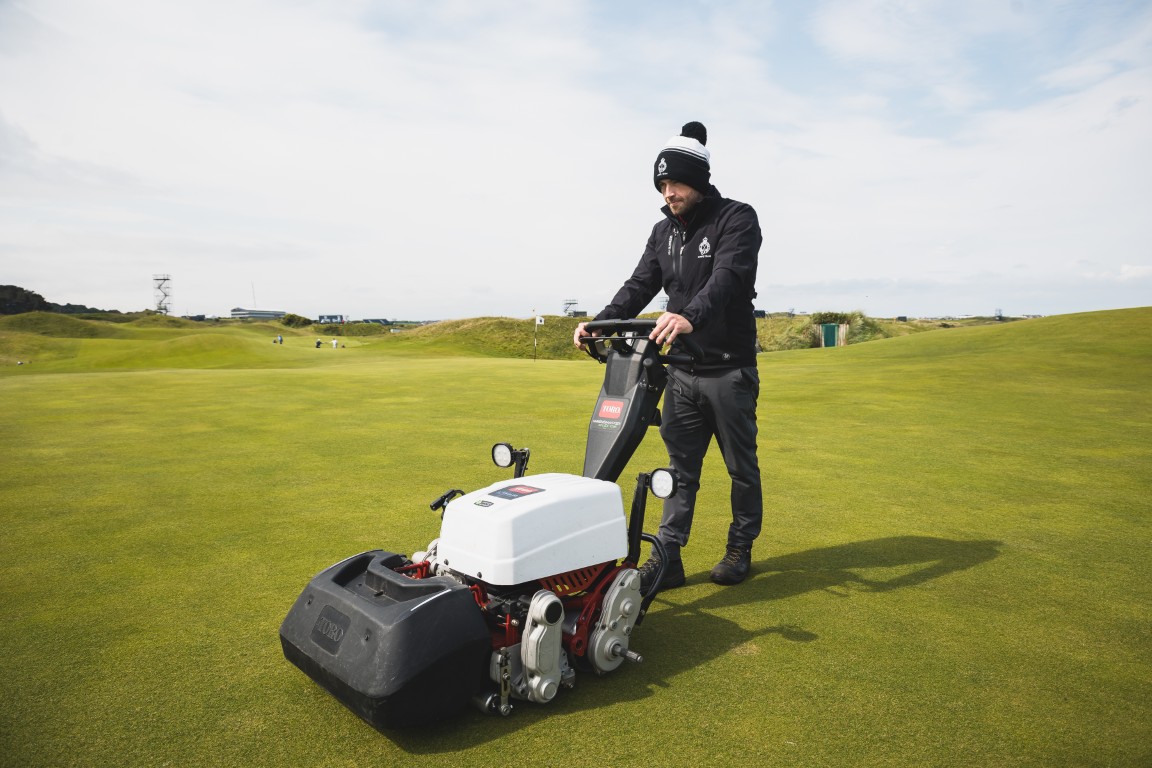
I think we are a little unique in the way we mow from fairway through the green with the same Toro Reelmaster 3550 mowers and with what is essentially an 18” greens mowing unit. It gives us the flexibility to mow at low cutting heights while following our huge change in elevations perfectly.
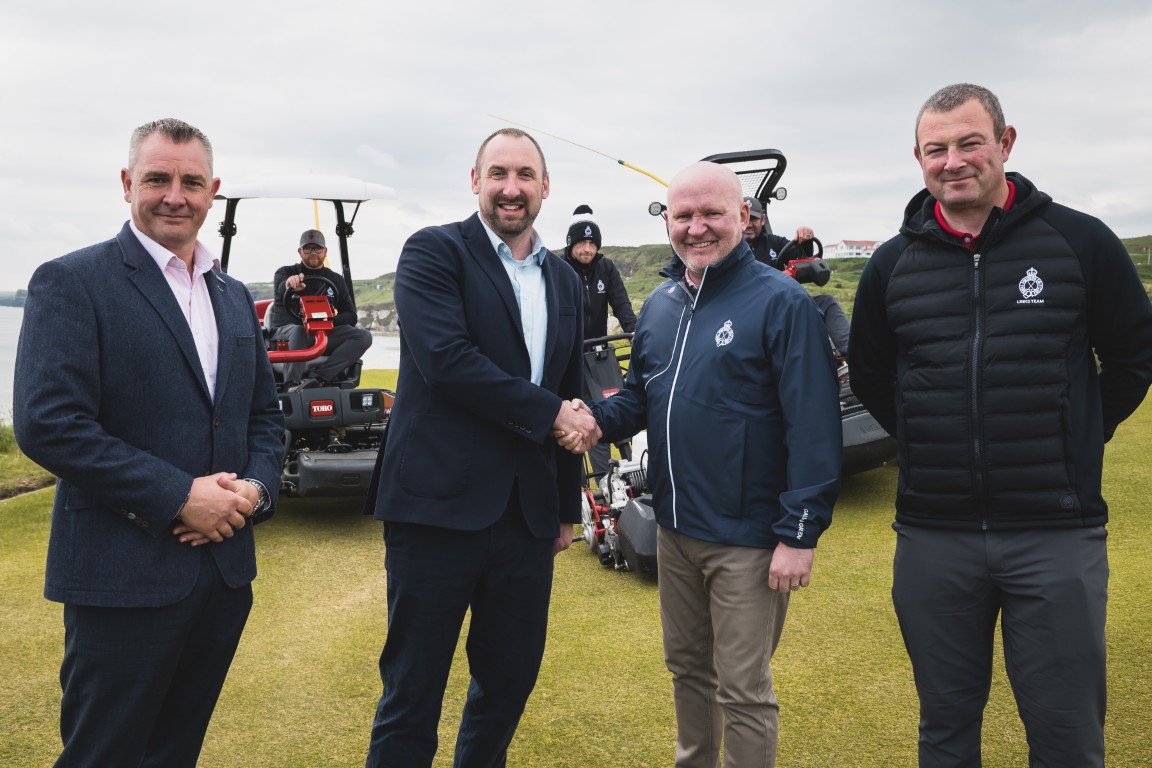
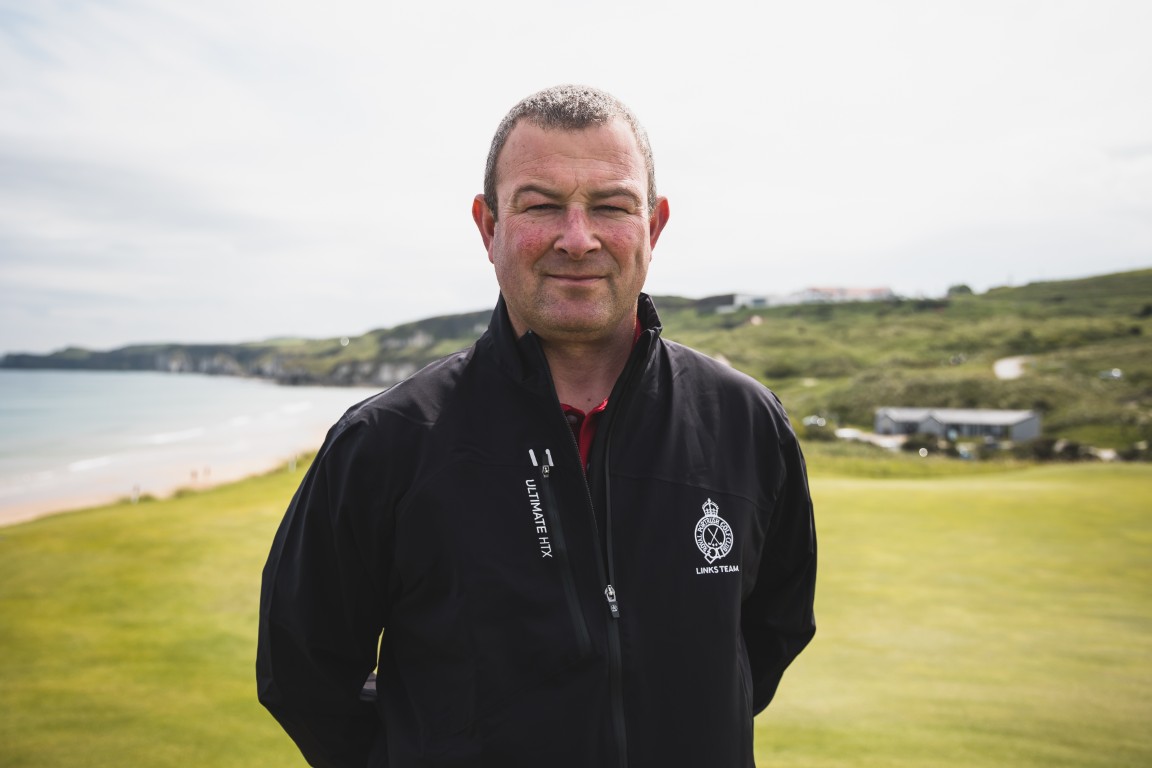

You recently invested in Toro Vista passenger vehicles which have been wrapped and branded especially for the club. How are they performing and how do these sustainable choices contribute to your greenkeeping operations and environmental goals?
The club have been looking at something for a while now to shuttle members and visitors around the site and we now have a large property on the edge of Dunluce 4th hole called ‘The Rosses’. This is a high-end accommodation for golfers, and it was important to be able to bring these guests back and forth. Alan Dunbar is the golf experience manager, and these buggies were really for him and his team to improve member and guest experience. They look brilliant and the club and the golf operations team are delighted with them.
How has the recent upgrade to the Toro Lynx Central Control System and Infinity sprinklers improved the efficiency and precision of your irrigation system, and what specific benefits have you observed regarding course playability and aesthetics?
I think that they perform better in windy conditions and in Portrush we very rarely have no wind, so that was a massive plus. In the spring when we had the drought conditions you could see the course drying down more evenly than previous years. Also, the control system is really easy to use for general programmes, but Chris, our irrigation tech, has found the diagnostics and fault finding saves him so much time.
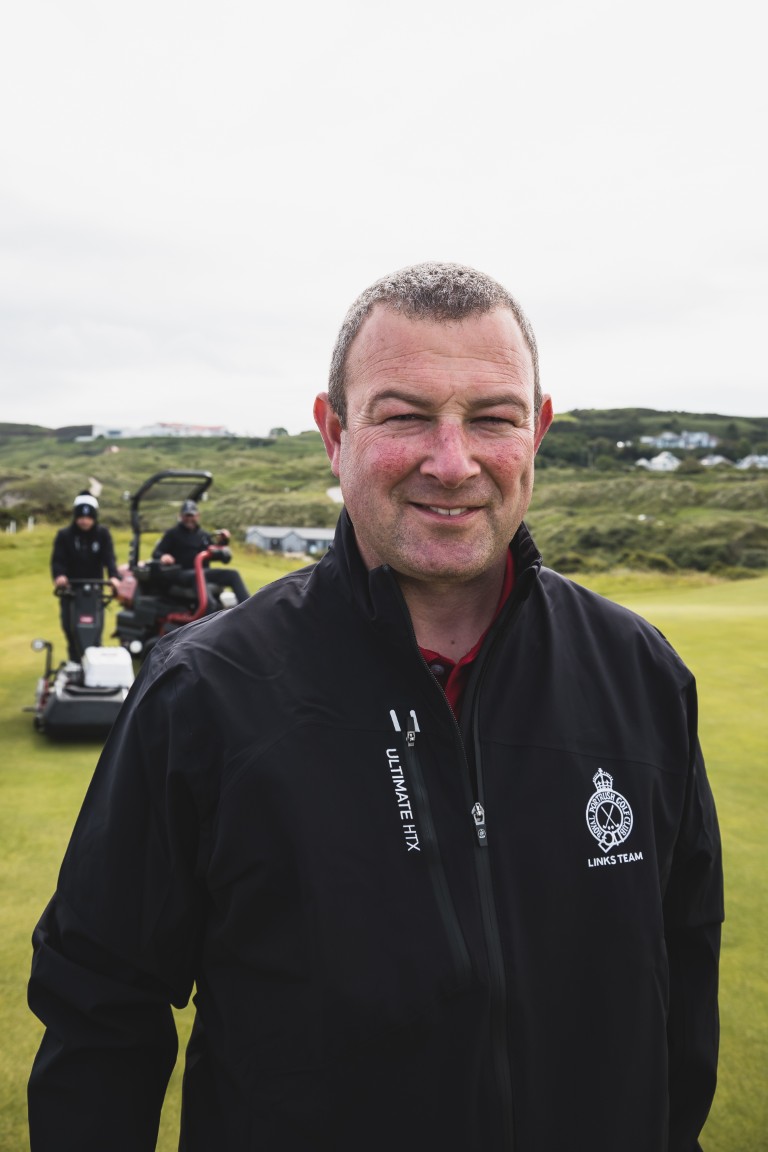
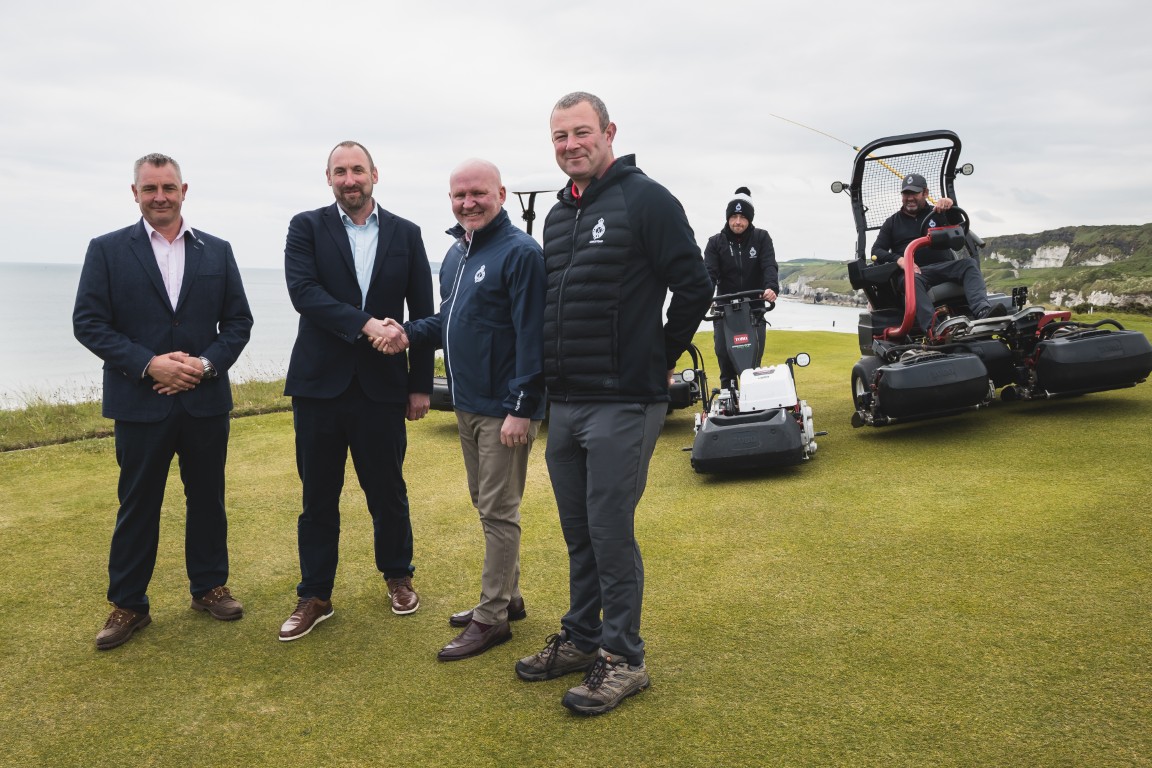

Once the tournament is over and the players and 278,000 spectators leave, what are steps involved in post-recovery from such a large event?
It really depends on the weather we have for the Championship days. If it has been dry then it is much easier to repair and things naturally bounce back, but if it has been wet then the ProCore machines will get plenty of use coring, seeding and sanding areas that have been used by spectators and TV buggies.
As the grandstands and buildings come down, Dar Golf will assist us in the repair work, re-seeding areas and fixing damage while we take care of the main parts of the golf courses and repairs to that, but for the visitors and members playing following the championship, the course will play as normal.