

Richard Windows is assistant director of Sustainable Agronomy Services at The R&A, where he leads the global team responsible for Championship Agronomy and Sustainable Agronomy programmes worldwide. With 25 years’ experience in the golf and sports turf industry, he has worked across a range of cool and warm-season environments in Great Britain and Ireland, Europe, Australia and Asia, supporting some of the world’s most respected golf courses.
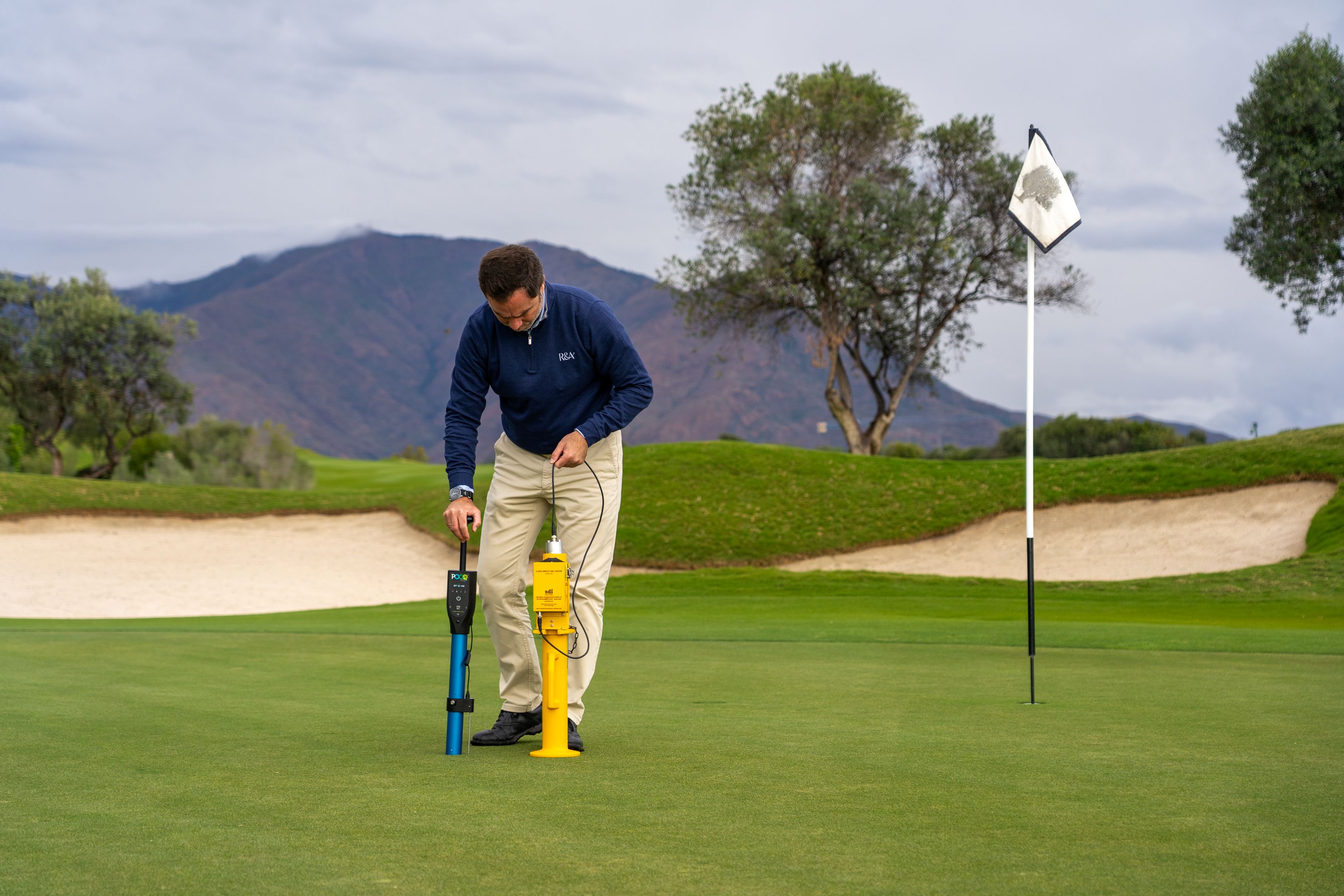
His work has spanned The Open and AIG Women’s Open venues, and elite amateur events including The Amateur, Women’s Amateur, Walker Cup and Curtis Cup. Since 2005, he has developed and refined championship agronomy practices, with The 143rd Open at Royal Portrush marking his 25th Open as Championship Agronomist.
A passionate advocate for sustainable golf, Richard has played a key role in modernising agronomic approaches through innovation, collaboration and data-led decision-making. He pioneered the use of objective measurement tools in golf agronomy, first implemented at The Open in 2010, and co-authored the Disturbance Theory, which uses ecological principles to support sward conversion on cool-season putting surfaces.
Today, Richard continues to champion a performance-driven, sustainable future for golf, aiming to inspire and support turf managers worldwide in delivering world-class playing conditions with minimal environmental impact.

Can you give us an insight into what goes into preparing an Open Championship course from an agronomy perspective? What are the key agronomic priorities, and how do you manage the balance between conditioning, environmental factors and player expectations?
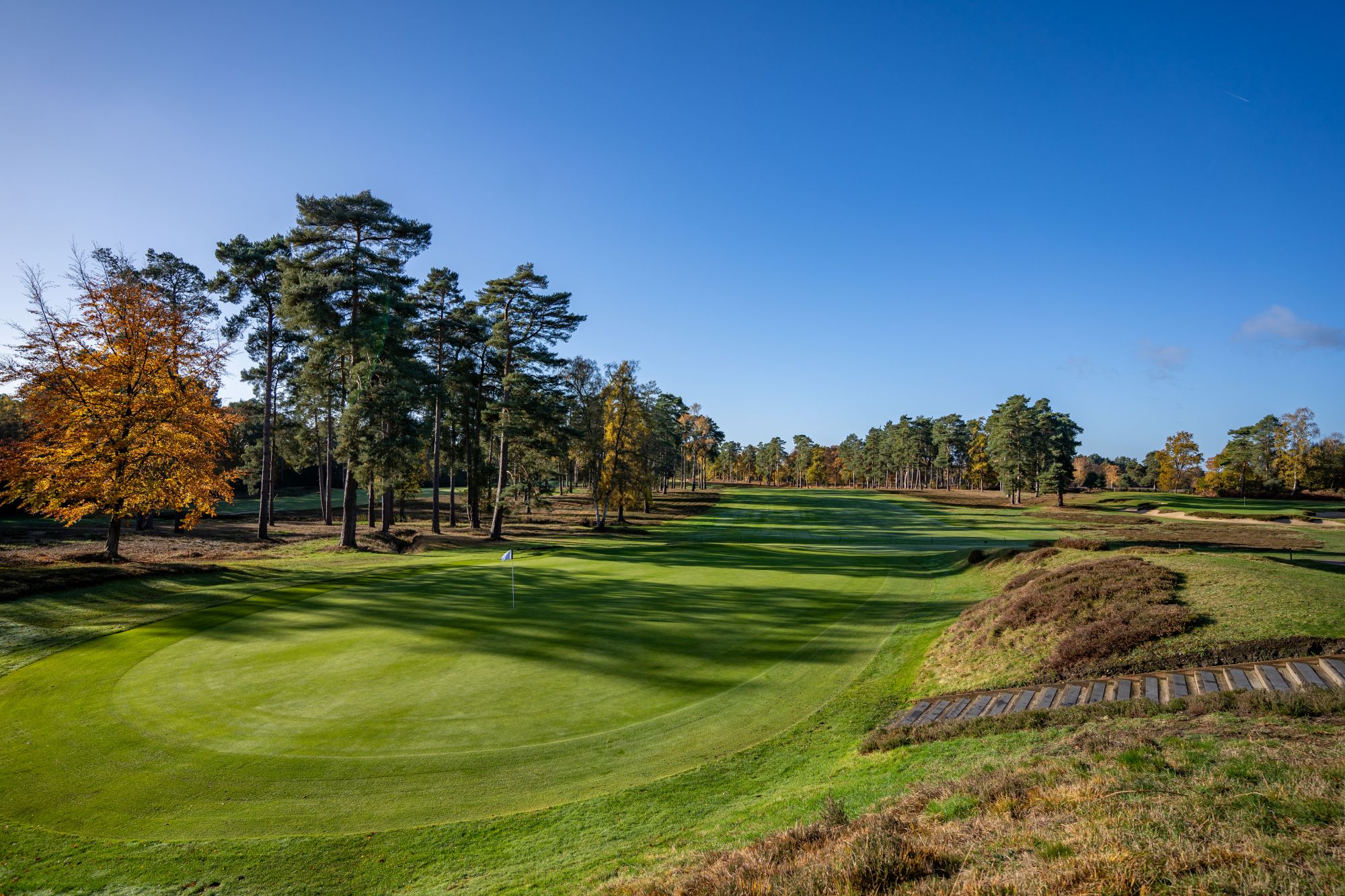
To do that, we focus on two main areas. The first is the grass composition of the greens – at The Open venues, we typically aim to establish a sward dominated by fine fescue and browntop bent across all the putting surfaces. While the exact composition varies from one venue to another, we strive for those two species to be the dominant grasses. This allows us to optimise firmness, manage green speed effectively, maintain surface control and optimise ball roll quality.
The second area of focus is the soil profile. This involves accurately managing organic matter content, improving surface drainage and promoting optimal root development to allow a controlled reduction of soil moisture and dry down that produces firm surfaces that reward accurate ball striking.
By encouraging strong root systems, a healthy soil structure and fine grass-dominant greens, we achieve high-performance playing conditions while minimising the need for fertilisers, pesticides and water, making the course as sustainable as possible.

You’ve worked on multiple editions of The Open at iconic venues such as Royal Troon, St Andrews, Muirfield and Royal Liverpool. How do you tailor your agronomic strategy to suit the unique characteristics, history and expectations of each venue?
We work to a defined set of guidelines for the delivery of each Open . However, these guidelines can be adapted slightly depending on the architecture and characteristics of the individual venue.
For example, at Royal Troon last year, the greens are relatively small compared to somewhere like the Old Course at St Andrews. So we adjusted the firmness targets accordingly, taking into account the green sizes and the course architecture.

Some venues are also more exposed to the elements than others, which may lead us to modify green speed targets. This is something we can fine-tune in the lead-up to the Championship to ensure optimum performance in the likely weather conditions.
One of our key objectives is to ensure that the course presentation is authentic to the prevailing weather conditions in the weeks before the Championship . If we’re fortunate to have a hot, dry spell, we want the course to reflect that, with slightly browner, more natural-looking surfaces that still provide a strong challenge.
The R&A’s agronomy team plays a global role, supporting golf courses far beyond the major championship stage. How is the knowledge and expertise gained from preparing The Open applied in helping clubs around the world improve their course conditions?
In essence, the approach is exactly the same. Our philosophy and strategy for producing the best possible surfaces for The Open are exactly the same as those we apply when advising our clients around the world.
Performance is always the key goal, but we aim to deliver it sustainably.
That means minimising the use of water, pesticides and fertilisers while still achieving high-quality, consistent and enjoyable playing surfaces for members and guests.

Looking ahead, what do you see as the key agronomic trends or areas of focus that golf clubs should be aware of in the coming years? Are there specific innovations or practices that you believe will shape the future of course preparation and management?
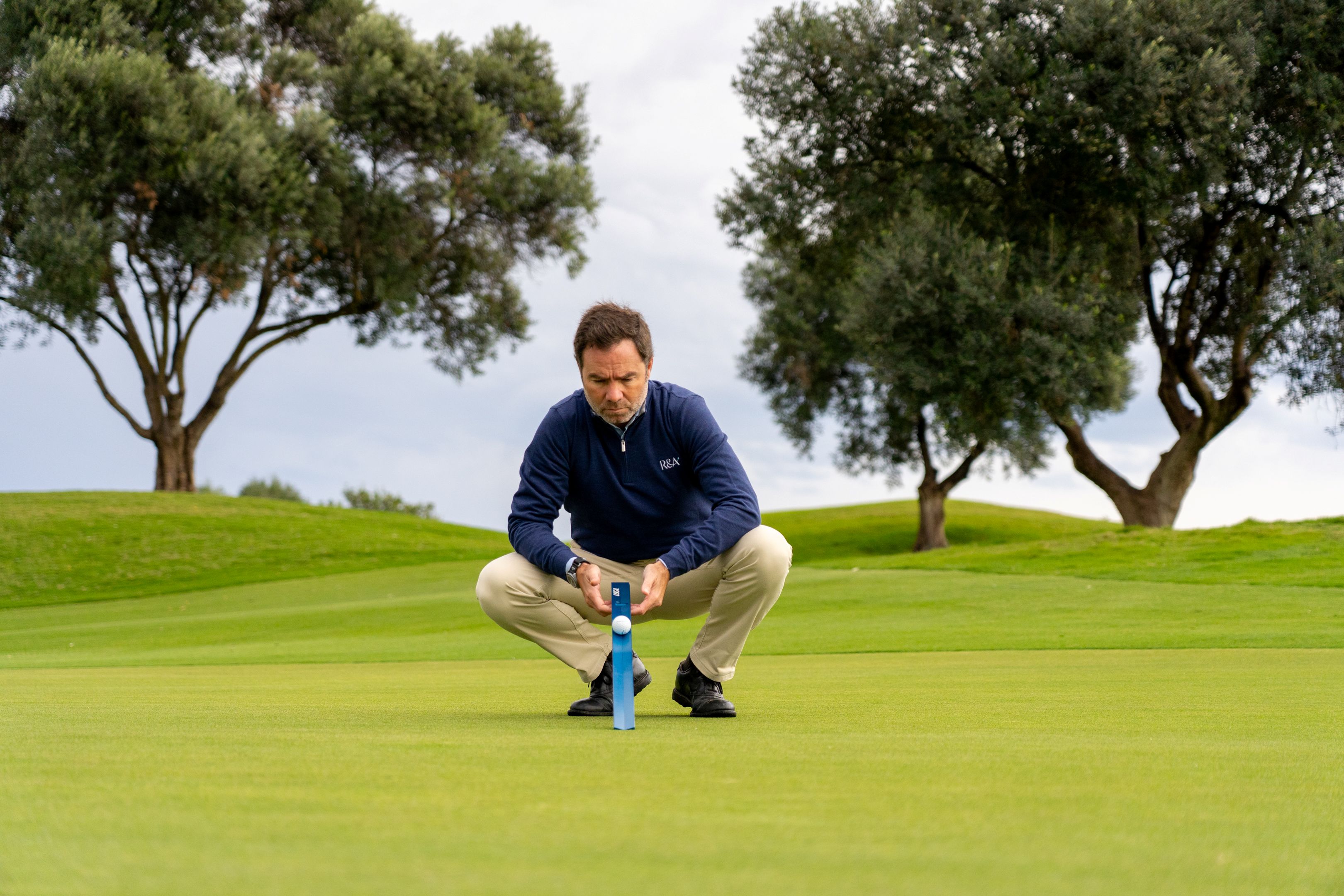
A major area is the increasing use of data and technology to inform both daily maintenance and longer-term agronomic decisions. Soil moisture monitoring, in particular, has become crucial.

Whether it’s through mobile soil moisture metres, such as the recently launched USGA device, or buried soil sensor systems, the ability to make precise, green-specific decisions helps us manage water more efficiently while optimising performance.
Measuring ball roll characteristics, smoothness, trueness and green speed, is another important focus. Devices like the new USGA GS3 provide valuable data that inform whether a particular maintenance action is needed to enhance performance while minimising unnecessary inputs.
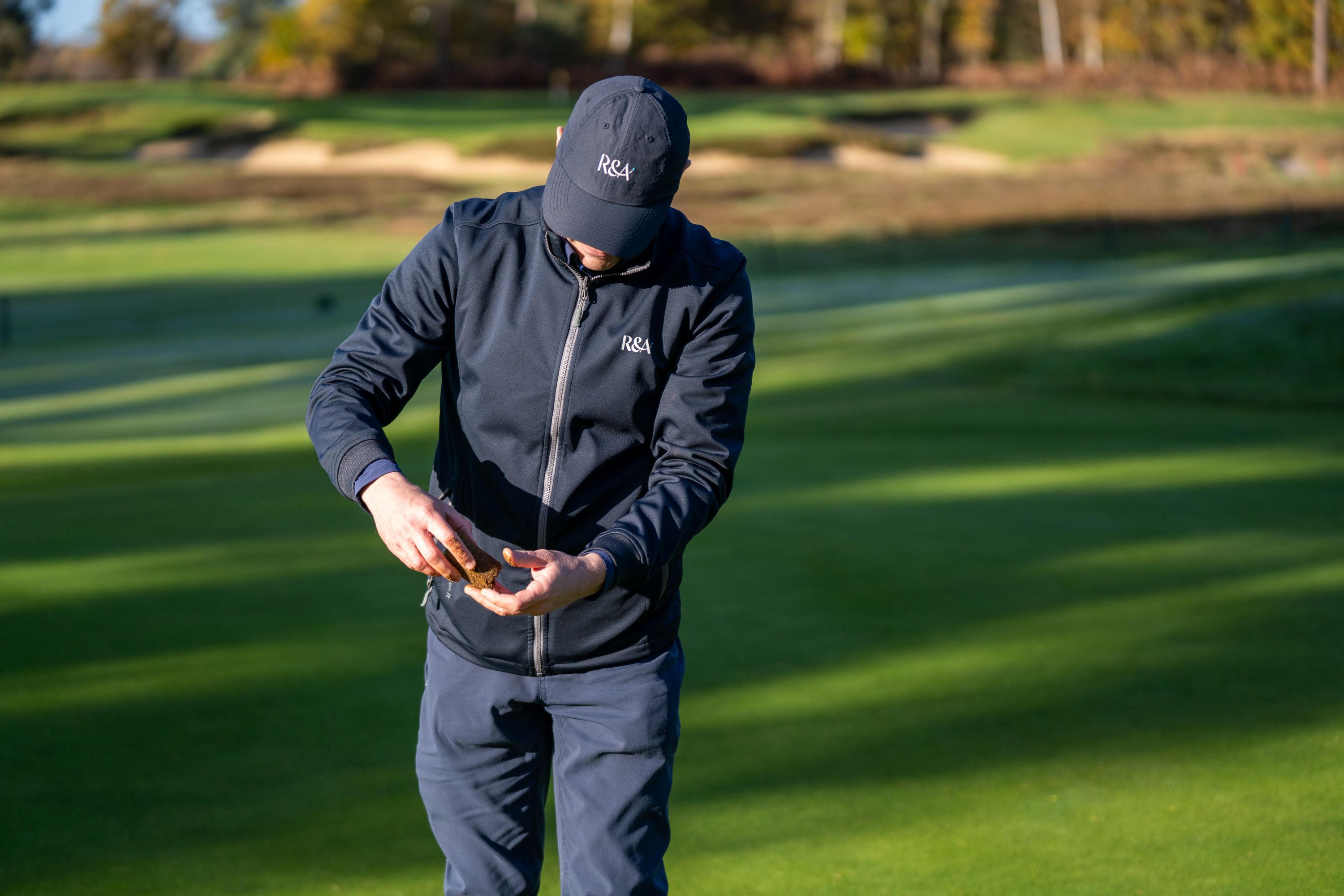
Soil testing has also evolved. Regular lab analysis for organic matter, hydraulic conductivity and other soil characteristics allows agronomists and course managers to make accurate, evidence-based decisions on topdressing, aeration and renovation.
Another promising practice is using clipping yield data to guide nutrient applications. This helps ensure enough growth for recovery, without excessive growth that could hinder performance or lead to higher input requirements.
Finally, we’re seeing an increasing emphasis on broader sustainability initiatives, promoting biodiversity, supporting natural ecosystems and enhancing the golfer’s sense of well-being by creating a more natural playing environment. Initiatives like electric and autonomous mowing not only reduce carbon emissions but also allow greenkeeping teams to focus more on finesse work that has a real impact on presentation and performance.
What risks do you see for golf clubs that fail to evolve with modern agronomic practices and sustainability standards? What might be the long-term consequences of resisting innovation in these areas?
That’s an important point. Everything we’ve discussed helps address the major challenges facing golf today, delivering high-performance courses that players enjoy, and which in turn drive participation in the game. That’s paramount.
But we must do this in an increasingly regulated environment, especially concerning water use and pesticide legislation. On top of that, climate change is introducing more extreme weather, whether it’s drought, storms, heavy rainfall or prolonged heatwaves. All of these factors pose significant challenges to course maintenance and playability.

Modern agronomic tools, data-driven decision-making, electric and autonomous machinery, promoting biodiversity, and reducing natural resource use help us meet these challenges head-on. Ultimately, they enable us to deliver the kind of performance today’s golfers expect, in a way that is future-proofed and environmentally responsible.