
Green performance measurement has evolved from opinion-based judgements to data-driven assessments using tools like the Stimpmeter, Clegg Hammer and GS3 ball. While speed often dominates discussions, key metrics such as firmness, smoothness, trueness and environmental data provide a far more accurate and sustainable picture of green quality, writes The R&A Sustainable Agronomy team.
For the past 15 years, measuring the performance of putting greens has become a central part of agronomic assessment in the UK and beyond, thanks to advances in tools and methods. Yet even before this scientific approach, golfers would often ask: ‘How do we actually judge the quality and consistency of greens?’ What one golfer may call fast, another may call slow — subjectivity dominates. Popular opinions such as ‘greens are faster after the morning cut’ or ‘speed increases as greens dry out’ only add to the confusion.
But green performance isn’t just about speed. It’s also about firmness, smoothness, and trueness — key attributes that influence playability and consistency. At championship level, green management relies on comprehensive data collection to guide maintenance decisions and ensure performance standards are met. For individual clubs, performance measurement helps optimise input for maximum output — better greens, more consistency and lower costs.
Is speed the same as quality?
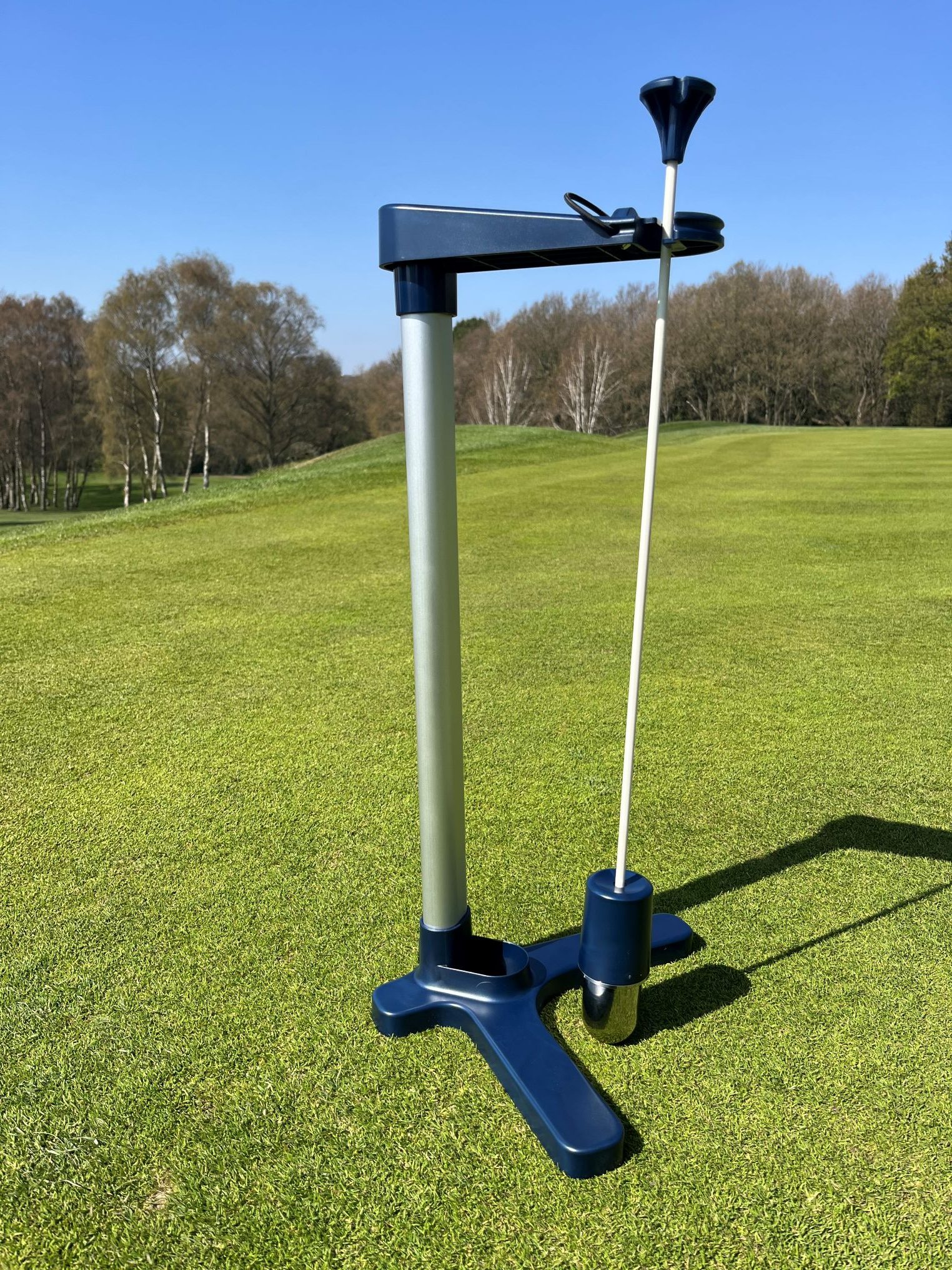
Green speed remains a hot topic. Golfers often rank courses based on how fast the greens feel, leading to frequent ‘locker room’ comparisons. The Stimpmeter, invented by Edward Stimpson and introduced by the USGA in 1978, aimed to provide an objective measure of green speed. It became a useful tool to create consistency across greens and help clubs establish speeds that suit their members.
However, there’s a danger in overemphasising speed. When misused, Stimpmeter readings can fuel inter-club competition and unrealistic expectations, pressuring clubs to maintain tournament speeds all season — often at the expense of turf health.
Why firmness matters more than you think
Despite green speed’s popularity, surface firmness is arguably more important. Until around 2010, there was little understanding or practical measurement of firmness. Tools like the Clegg Impact Hammer have since become essential, especially at the highest level of play. While players may grumble about inconsistent speeds, they often overlook how softer surfaces reduce green speed reliability. Quite simply, fast greens cannot be sustained on soft surfaces.

Player feedback v objective data
‘Objective Data Assessing the Performance of Golf Greens as a Comparison to Golfers Perception of Playing Quality’ was a study that compared performance data (speed, firmness, smoothness) against played feedback from three different handicap categories. The low handicap players were more challenging in their assessment of morning to afternoon green speed, whereas the medium to higher handicap golfer placed more emphasis on smoothness. What the study did see is that player feedback is likely to be inconsistent at best and largely inaccurate. Making maintenance decisions purely based on player feedback could lead you down the wrong path.
The case for measurement
Over a decade of working with clubs has proven that measuring both soil conditions (organic matter, moisture) and surface performance (firmness, smoothness, trueness, speed) drives better decisions. As a result, many clubs now use soil moisture meters and aim for researched performance targets.
Still, it’s important not to become data-obsessed without understanding cause and effect. Is greenkeeping an art or a science? It’s both. Data should inform, not dictate. Bad data — or data misused — can do more harm than good. Reliable tools and sound protocols are essential.
At The R&A, performance data informs championship agronomy and supports sustainable work with clubs. The most value comes when greenkeepers collect their own data regularly — building a clearer picture over time rather than relying on snapshots.
New tools and technology
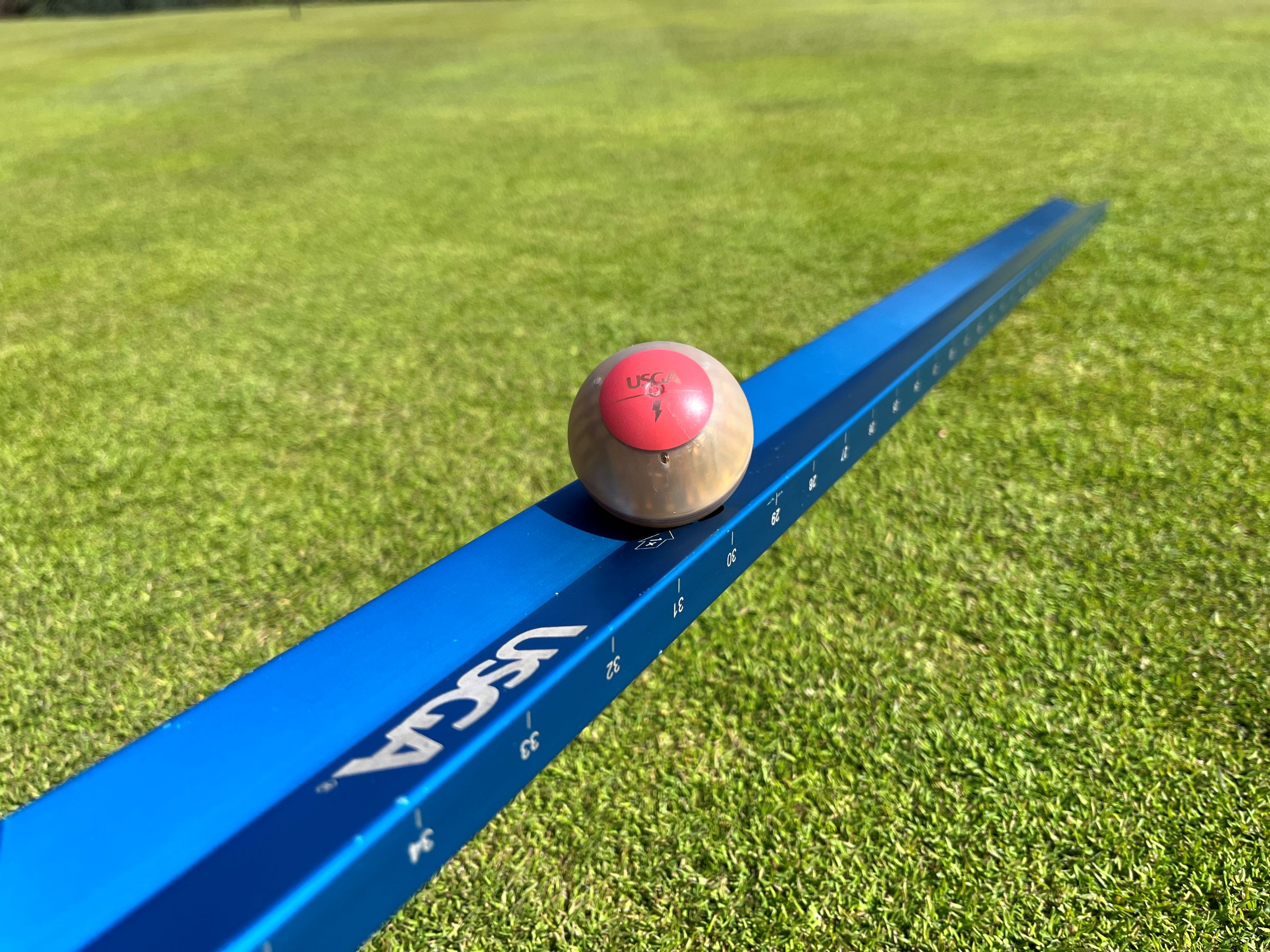
Access to reliable tools has been a barrier for many. While soil moisture meters and Stimpmeters are common, tools for firmness, smoothness, and trueness have been less accessible — until now. The USGA’s new GS3 ball changes the game. Integrated with the USGA’s Deacon app, it measures green speed, smoothness, trueness and firmness in one tool.
Environmental monitoring
Advancements in weather monitoring and integration with irrigation and turf software have made environmental data more valuable than ever. Modern weather stations feed AI-driven disease models and support smarter maintenance timing. Soil and air temperature tracking also enables calculation of metrics like Growth Potential (GP) and Growing Degree Days (GDD), both vital for planning treatments.
Measuring growth rates
Clipping yield — the volume of grass collected during mowing — is a simple yet powerful tool for understanding green growth. Many greenkeepers already estimate it informally: ‘How many empties did we do today?’ But inconsistent box-emptying practices make accuracy difficult.
With minimal effort, clip yield can be properly recorded and correlated with other variables such as moisture, light and maintenance practices. These insights help refine nutrient and topdressing schedules while controlling organic matter and maintaining turf health.
Over time, you’ll likely find that moisture and temperature drive growth more than expected. Managing these factors effectively supports both turf health and budget efficiency.
Top tips for greenkeepers
• Data is for the greenkeepers and club management—not for the members.
• Soil moisture monitoring is critical to turf health.
• Consistency is the goal. Work within researched targets tailored to your course.
• Distinguish between daily play and competition standards.
• Stay within target ranges—don’t chase extremes.
• Overpushing boundaries stresses turf and encourages annual meadow grass.
• Collect data year-round—winter readings are valuable too (except green speed).