
A drought declaration has been made in at least one part of the UK almost every year since 2018. This puts pressure on water usage to be restricted on golf courses. However, there is a water recycling system that clubs can always use to clean course machinery.
A drought is usually defined as a period of about three weeks in which less than a third of the usual precipitation falls. This has happened in at least one part of the UK several times in recent years – in 2018, 2020, 2022, 2023 and 2025, at least one drought was declared. Golf courses across the UK were particularly affected by droughts in the summers of 2018 and 2022, and parts of the UK experienced record-breaking hot weather in both May and June 2026. In the latter heatwave, South East Water issued emergency restrictions on water usage.

In the 2022 drought, several golf courses across Europe were vandalised by environmental activists due to perceptions surrounding the amount of water they consumed.
Also in 2022, England’s reservoirs reached their lowest level for nearly 30 years and, in an effort to preserve supplies, nearly 30 million people in the UK were banned from using a hosepipe for car cleaning, watering the garden, cleaning windows and so on, with the aim of reducing daily water usage by a third. While in 2025 several local authorities issued water-use ‘advisories’, citing dry soils, lower-than-usual river flows and risk to flora, agriculture and wildlife. This kind of advisory was considered just short of full hosepipe ban severity.
Experts have warned that if we have a summer like that of 2022 again, and it is followed by a dry winter, then the drought could become ‘severe’ the following year, with businesses potentially seeing restrictions imposed on their water usage. Prudent use of water will be expected by everyone to try to avoid future shortages.
Environmental responsibility
Many golf courses ‘waste’ up to a million litres per year using mains (drinking) water to wash-off their golf course maintenance equipment. This raises the question of why equipment is being washed-off with potable drinking water when recycling wash-off systems are available? Being able to continue washing your equipment during a hosepipe ban is essential to maintain equipment in good order. Where a drought order is imposed, washing-off vehicles and equipment is banned unless a recycling wash-off system is used. Installing a Waste2Water recycling wash system ensures you can continue with necessary equipment cleaning operations even during periods of drought – all we recommend is to put a notice on the system advising that the system is a recycling wash system, to allay anyone’s concerns.
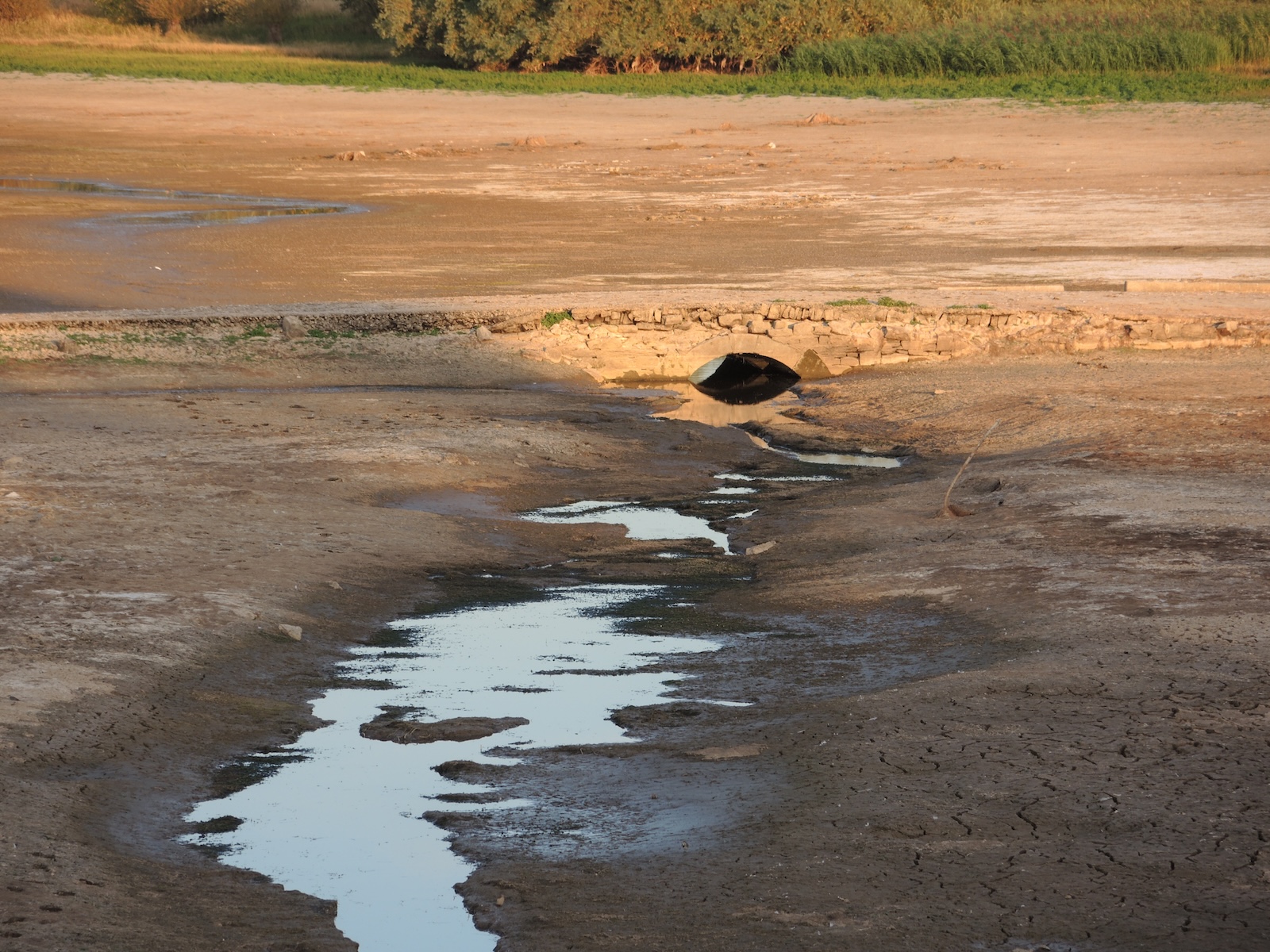
‘Drought-proof’ Waste2Water recycling wash-off system
If you’ve not already installed a recycling wash system call us now as it is the perfect answer for washing your equipment, including in drought conditions:
• Continually reuses the same water, reducing water usage by a massive 90 percent!
• Fully authorised for use even during periods of a drought order.
• Puts you in charge of your own destiny!
Installing a Waste2Water system
Installing a Waste2Water system could not be easier. We will custom design your operations area and offer a variety of installation options including civil construction of a new wash pad, if required. We can also often retro-fit the system into your existing area to minimise the budget.
The Waste2Water recycling system removes all contamination risks, reduces water usage by 90 percent and can be used all year round. Add simple installation, ease of use and low operating costs and you know you’ve made the right choice. Just give us a call and we will do the rest!
For more information, contact Waste2Water:
Tel: 01782 373 878
Email: info@waste2water.com