
Having invested in bunker renovation, irrigation and a new maintenance facility for the greenkeeping team in the last decade, Tidworth Garrison Golf Club in Wiltshire recently brought in autonomous mowers to help the greenkeepers take the course to the next level. Course manager Damion Woods and general manager Chloe Boissel-Marshall explain why this is working out so well.
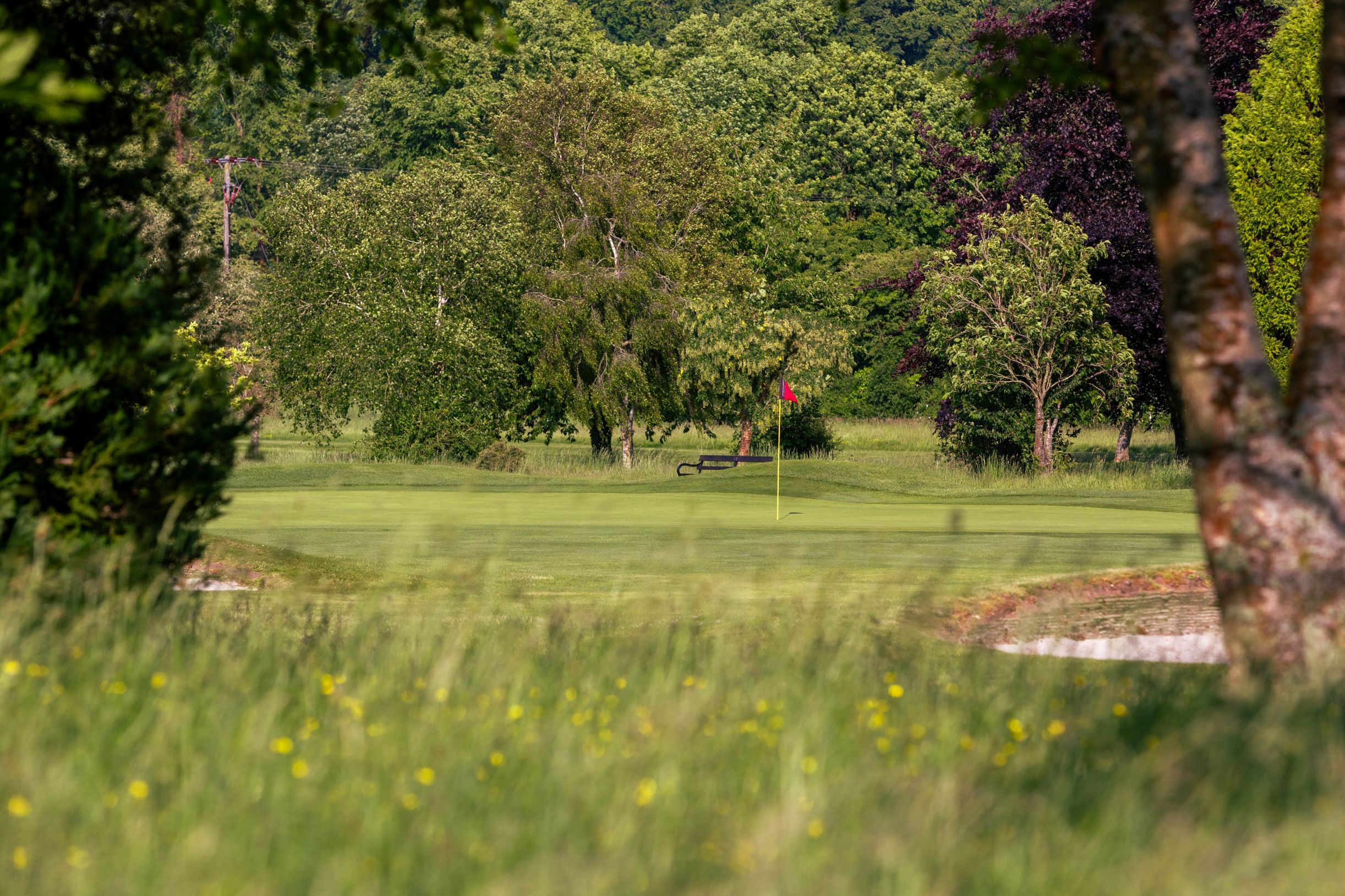
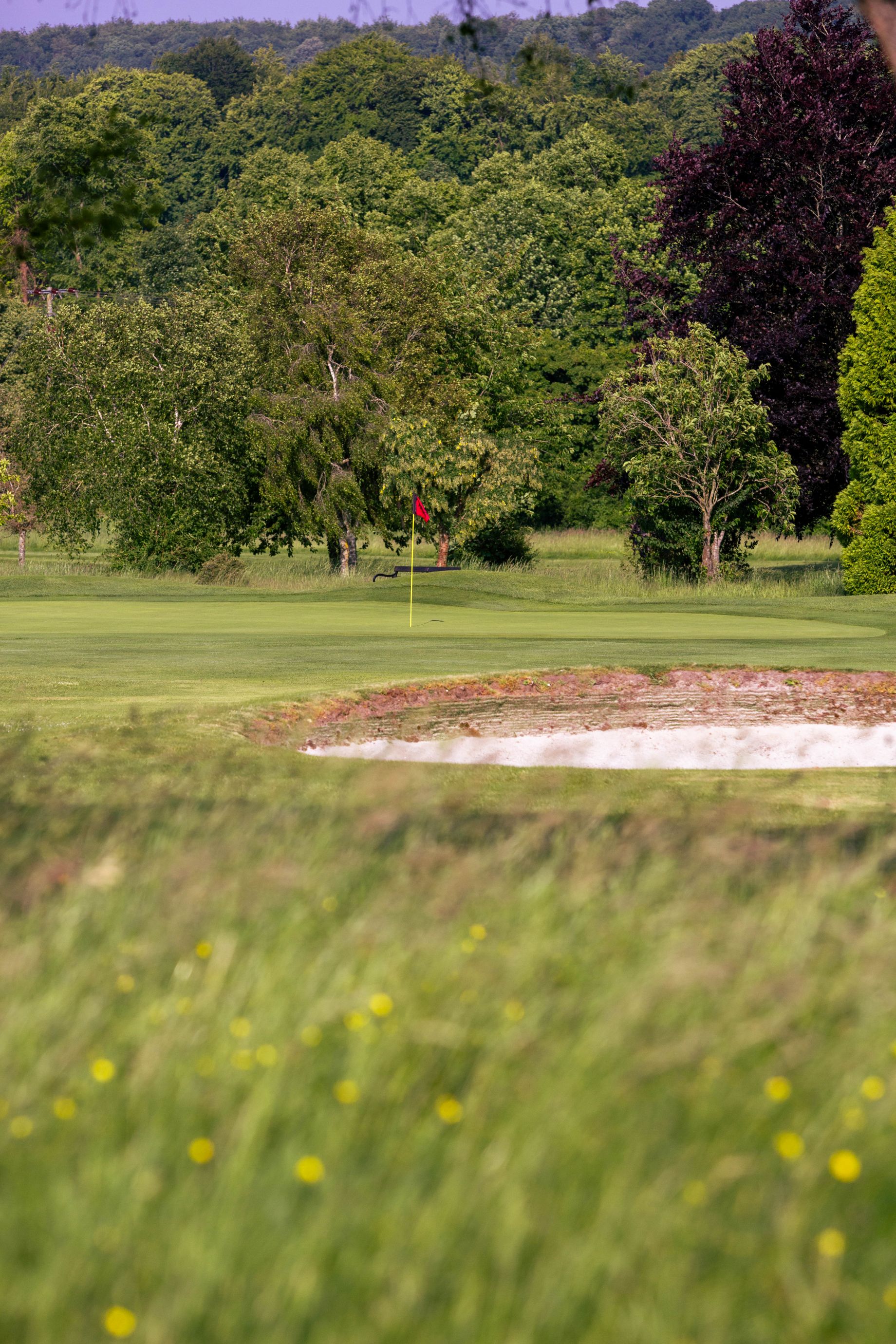
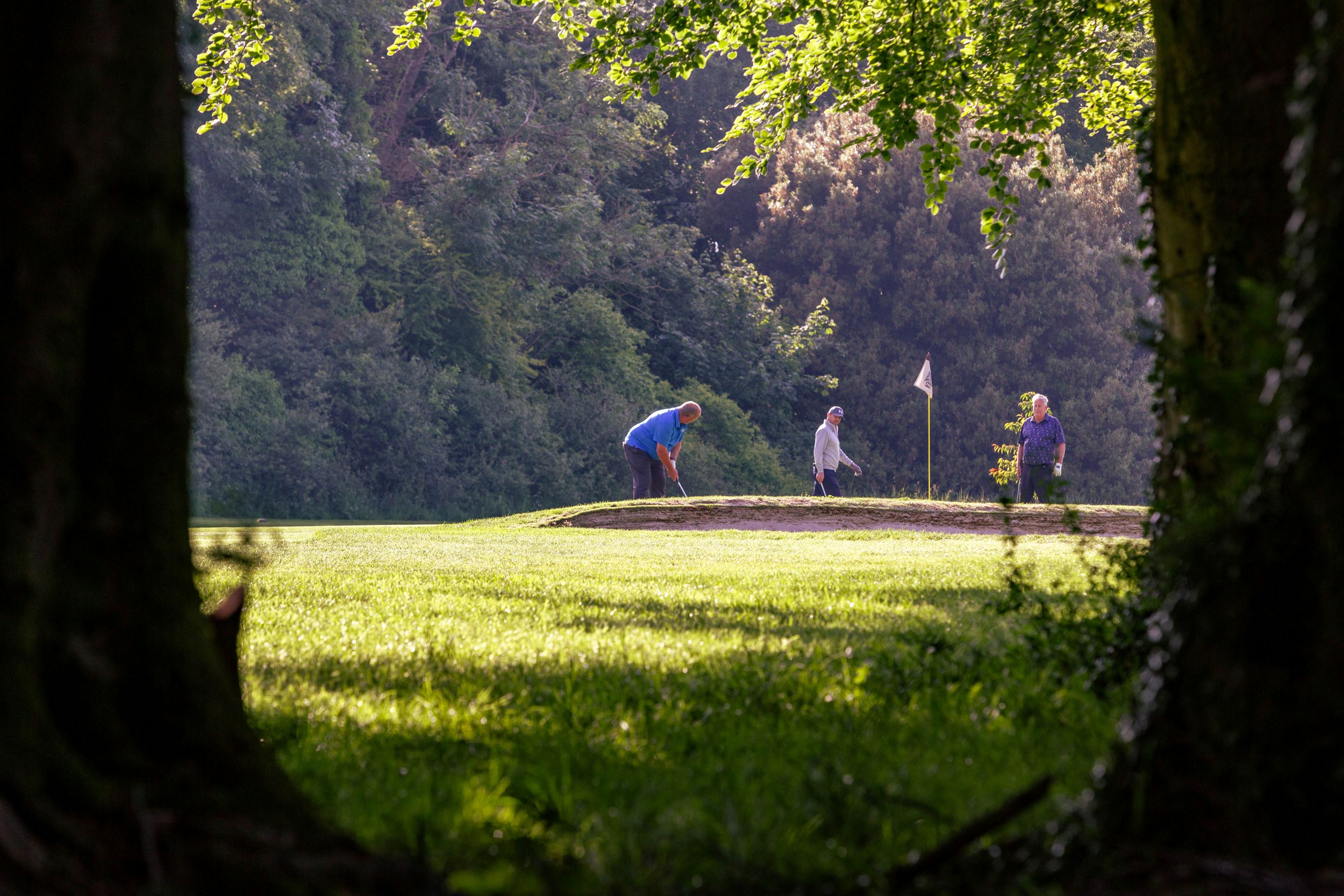
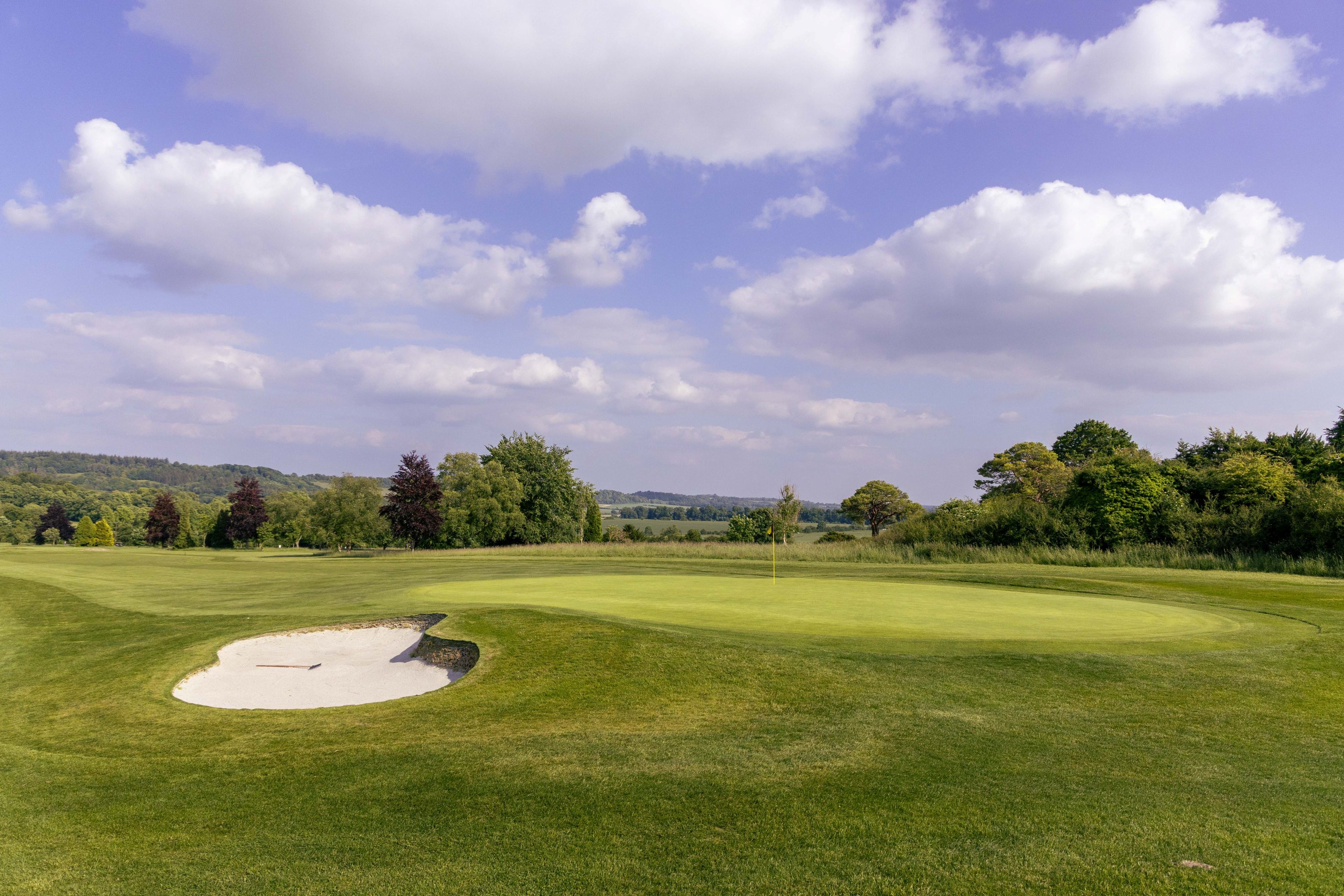
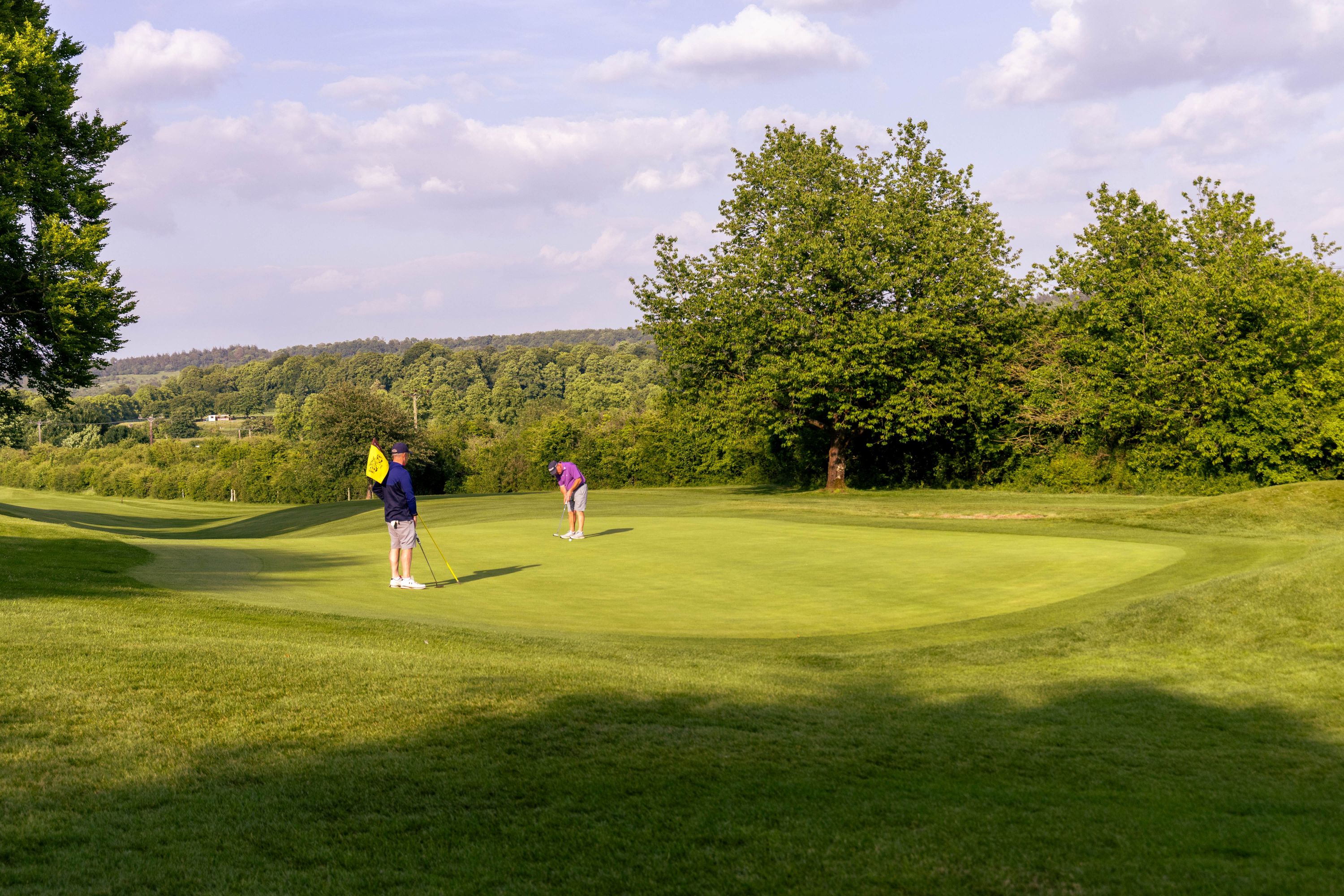
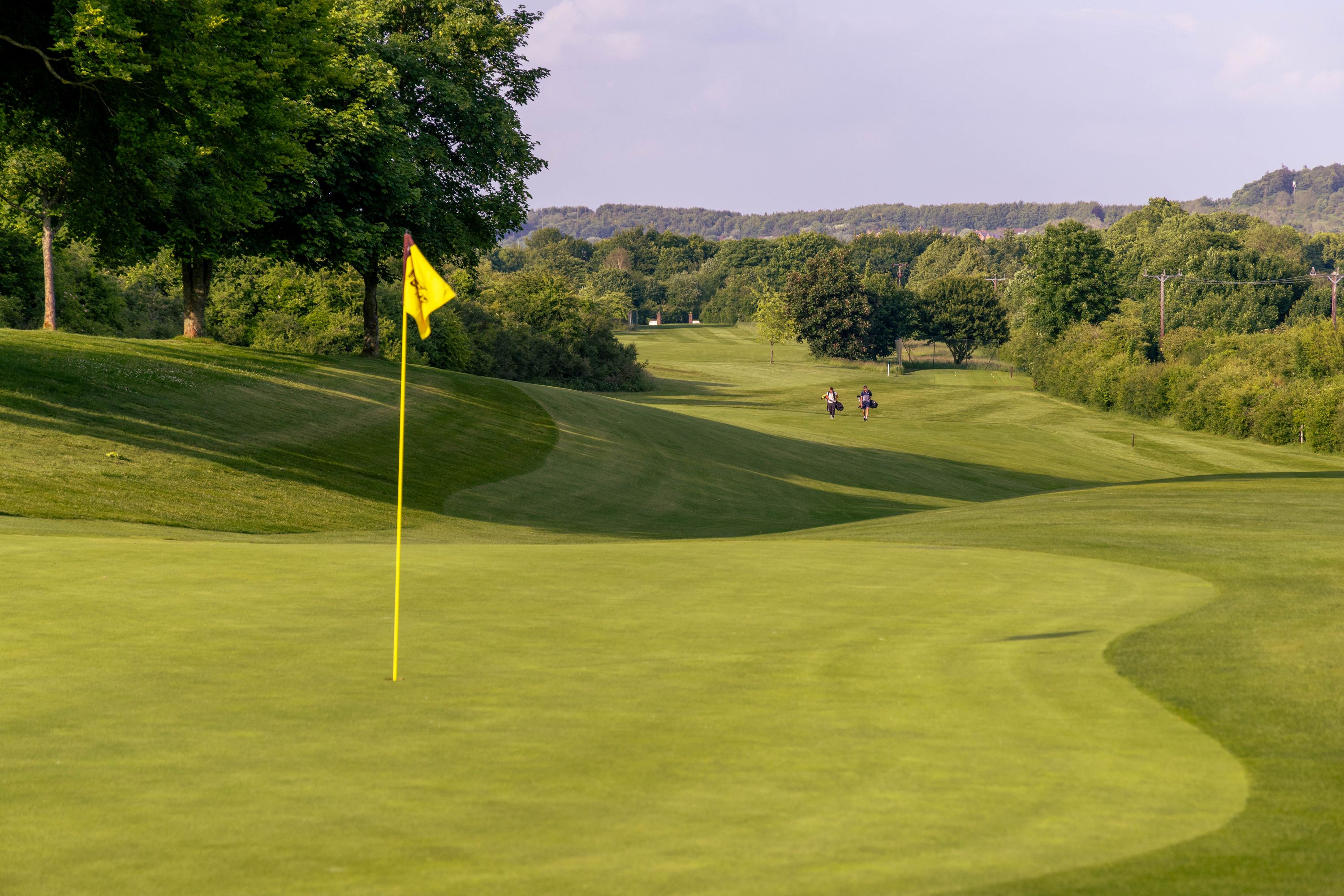
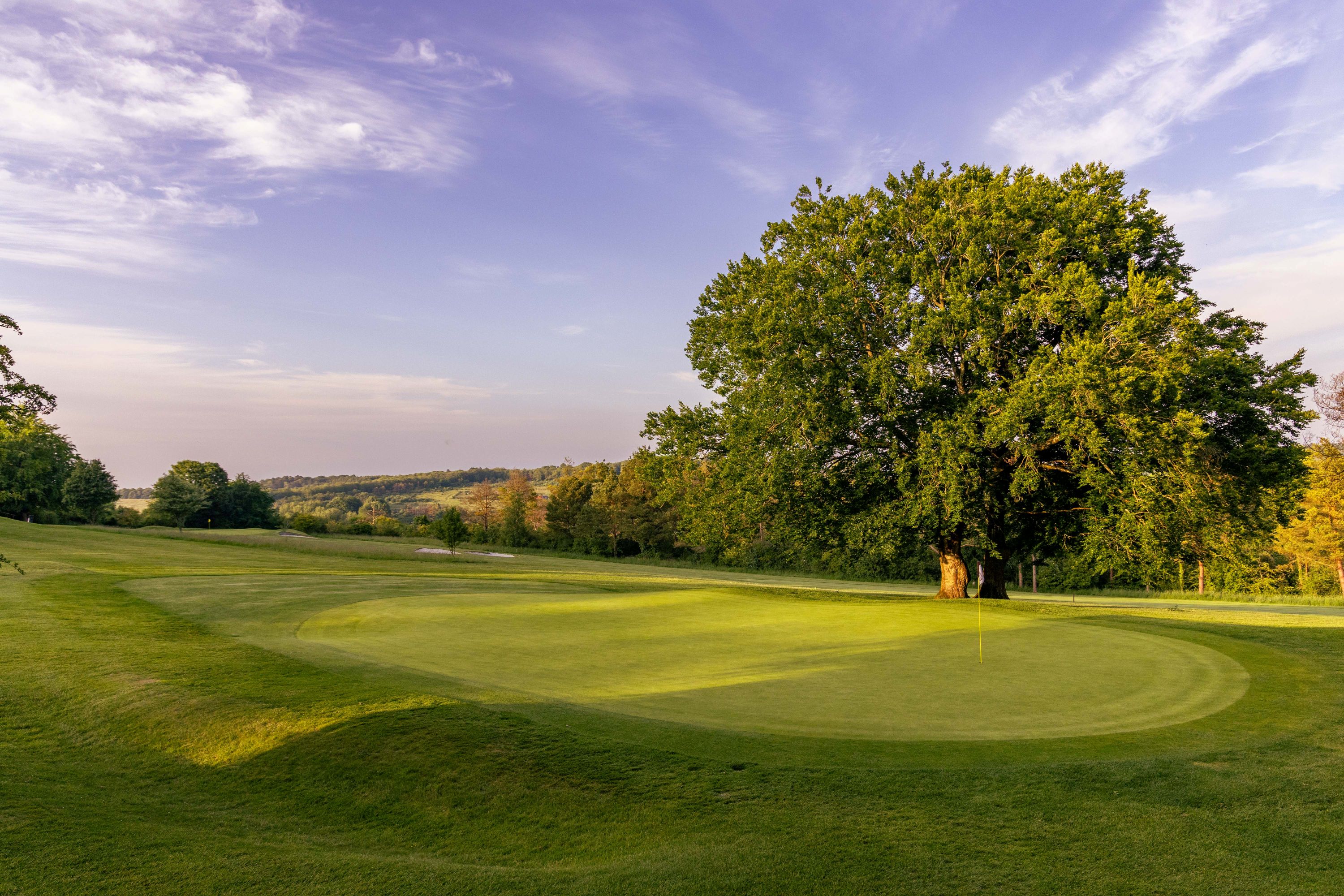
Located on the edge of Salisbury Plain, Tidworth Garrison Golf Club is widely recognised as one of the best in Wiltshire and has also consistently been voted the best members’ club in Wiltshire. The tree-lined, downland course designed by legendary designer Harry Colt has a reputation for pristine playing surfaces and some beautiful but testing holes, which play as well in winter as they do in summer.

When the board, the course manager and the general manager of Tidworth Garrison Golf Club got together to make plans to future-proof their operations, they knew they needed to become early adopters of autonomous mowing technology. The club had already undertaken a successful bunker renovation project, upgraded its irrigation system and invested in a new maintenance facility for the greenkeeping team in the past ten years. The next phase, as general manager Chloe Boissel-Marshall tells us, was to be “a major step forward in modernising our course management practices”. This would place Tidworth Garrison “at the forefront of a growing trend within the UK golf industry, demonstrating leadership in embracing modern, efficient solutions”. Completing the transformation of the mowing fleet supports the club’s strategic goals of modernisation, building greater financial resilience, investing in long-term sustainability and continually enhancing the member experience.

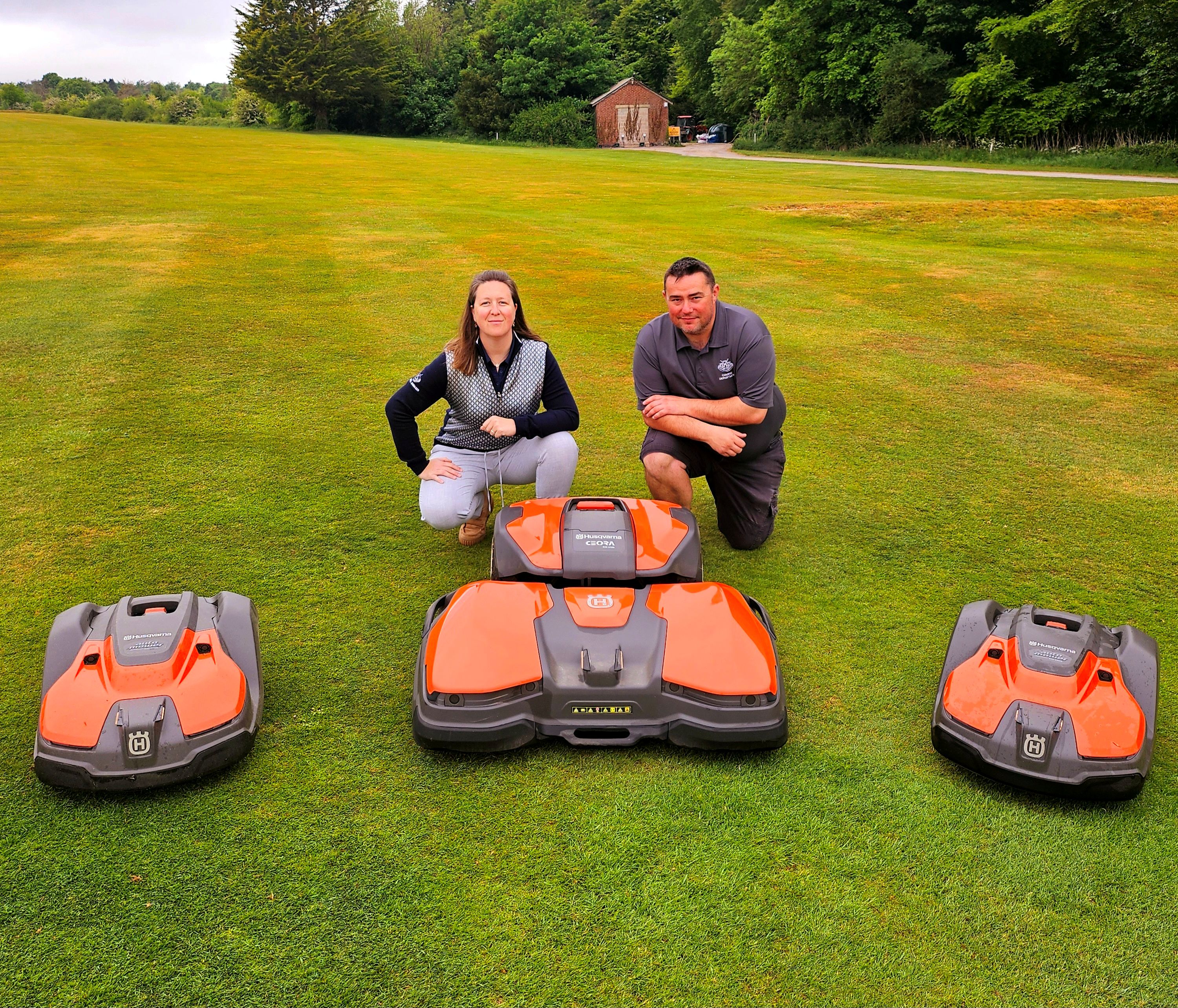
The decision to invest in a fleet of Husqvarna autonomous mowers was made in order to give the greenkeeping team “the tools to focus their expertise where it matters most – on managing turf, not just driving machines”. The team decided on a combination of three Husqvarna Ceora and four Husqvarna 550 EPOS models, supported by wireless reference stations. The club calculated that these specific models have the right mix of capabilities to manage the 155-acre course. The Husqvarna Ceora is designed as the ultimate solution for large turf areas and can cover up to 50,000 metres squared. The Husqvarna 550 EPOS covers smaller areas and can manage gradients of up to 45 percent, as well as navigating narrow paths with ease, delivering three different types of finish. The 550 EPOS’ discs are equipped with five robust, razor-sharp Enhance HSS blades which guarantee a better cut and reduce the need for blade changes. These blades cut little and often, which helps to encourage the growth of stronger, healthier and more attractive grass.
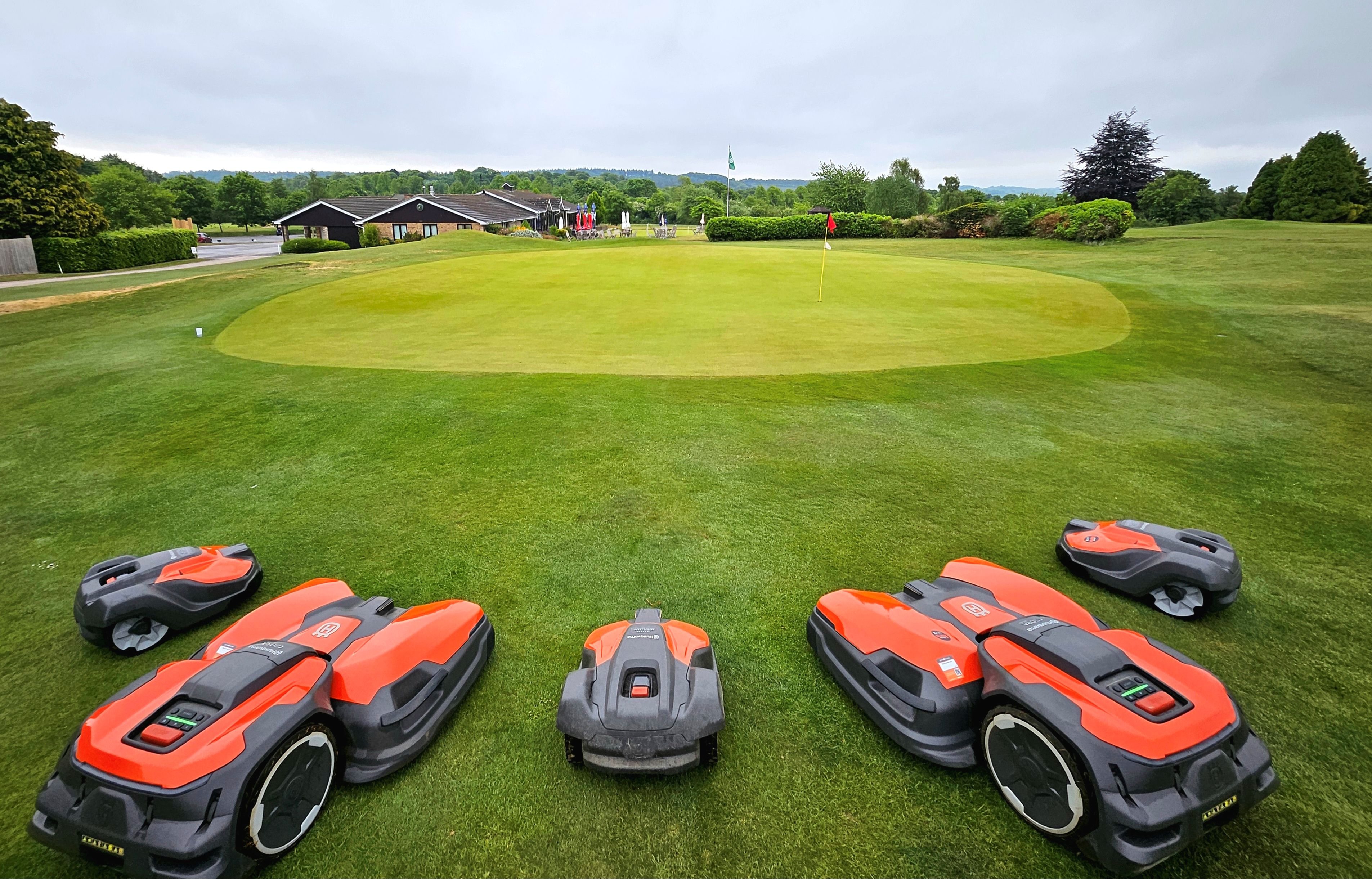
Husqvarna’s autonomous mowers operate with minimal human intervention, can cut for hours on a single charge, and are able to manage 85 percent of the Tidworth Garrison’s rough and carry areas, delivering a cleaner, more consistent cut and reducing the time the greenkeeping team spends on cutting dramatically.
Chloe says, “Damion [Woods], our course manager, and I often talk about delivering the last five to 10 percent. Like many clubs we have long aspired to increase our greenkeeping team, but budget constraints have made this challenging. By adopting autonomous mowing technology, we can significantly reduce the time spent on routine mowing tasks, freeing our skilled greenkeepers to focus on the finer details, such as hand-cutting tee surrounds, maintaining bunker edges and tee boxes, and improving the management of rough and semi-rough areas. This, in turn, will allow us to deliver a more consistent and high-quality playing experience through the year.”



Like Damion and his team, the membership at Tidworth Garrison has embraced the new technology. “The membership have been very supportive and are enjoying the consistency being provided by the autonomous mowers’ cut quality and frequency,” he tells us. “The decision to utilise mowers in late afternoon and through the night is improving the golfer experience as contact with greenkeepers on mowers is significantly reduced.” Damion also believes the state-of-the-art mowing technology will make for improved turf resilience and winter mowing performance due to a lighter equipment footprint.
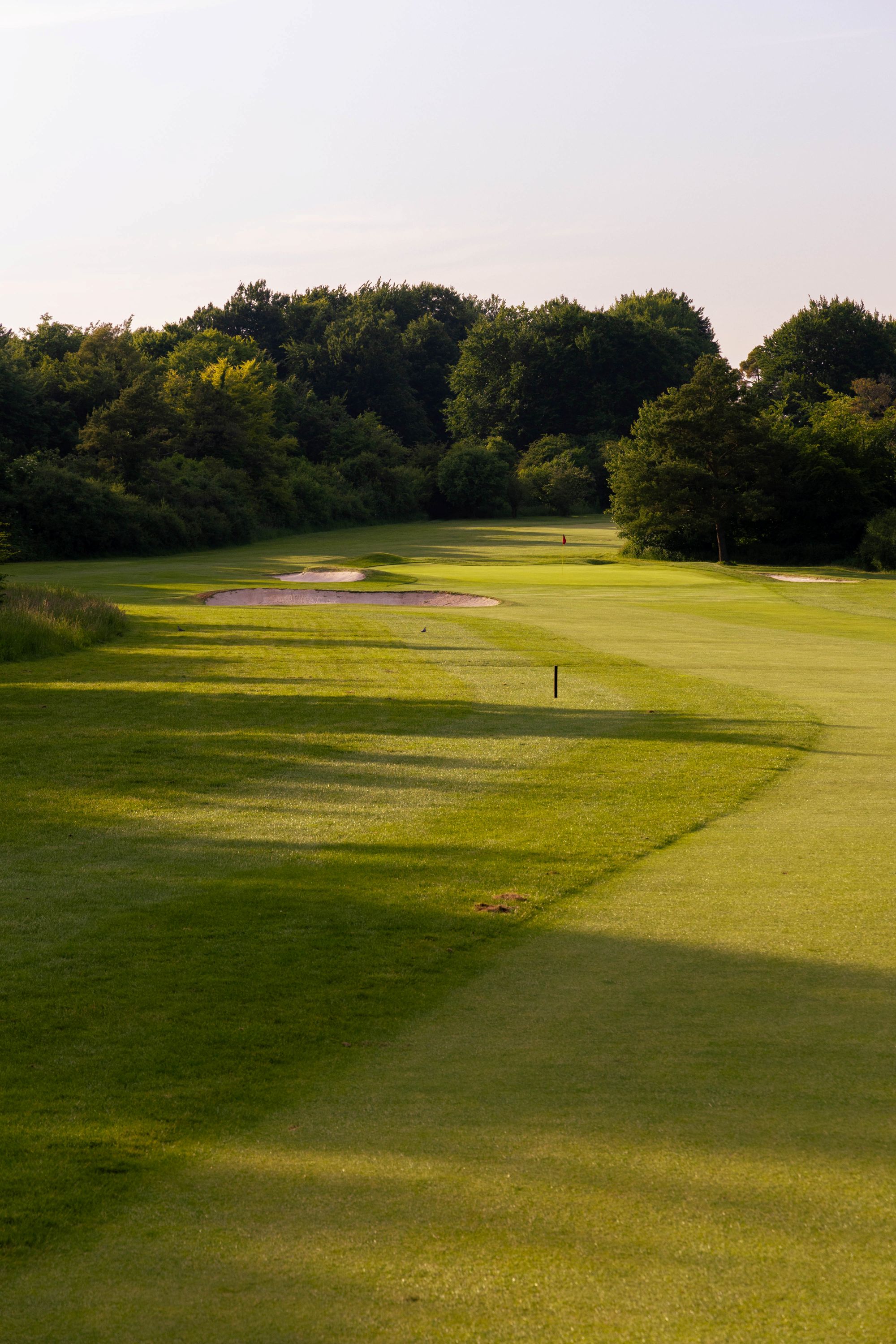
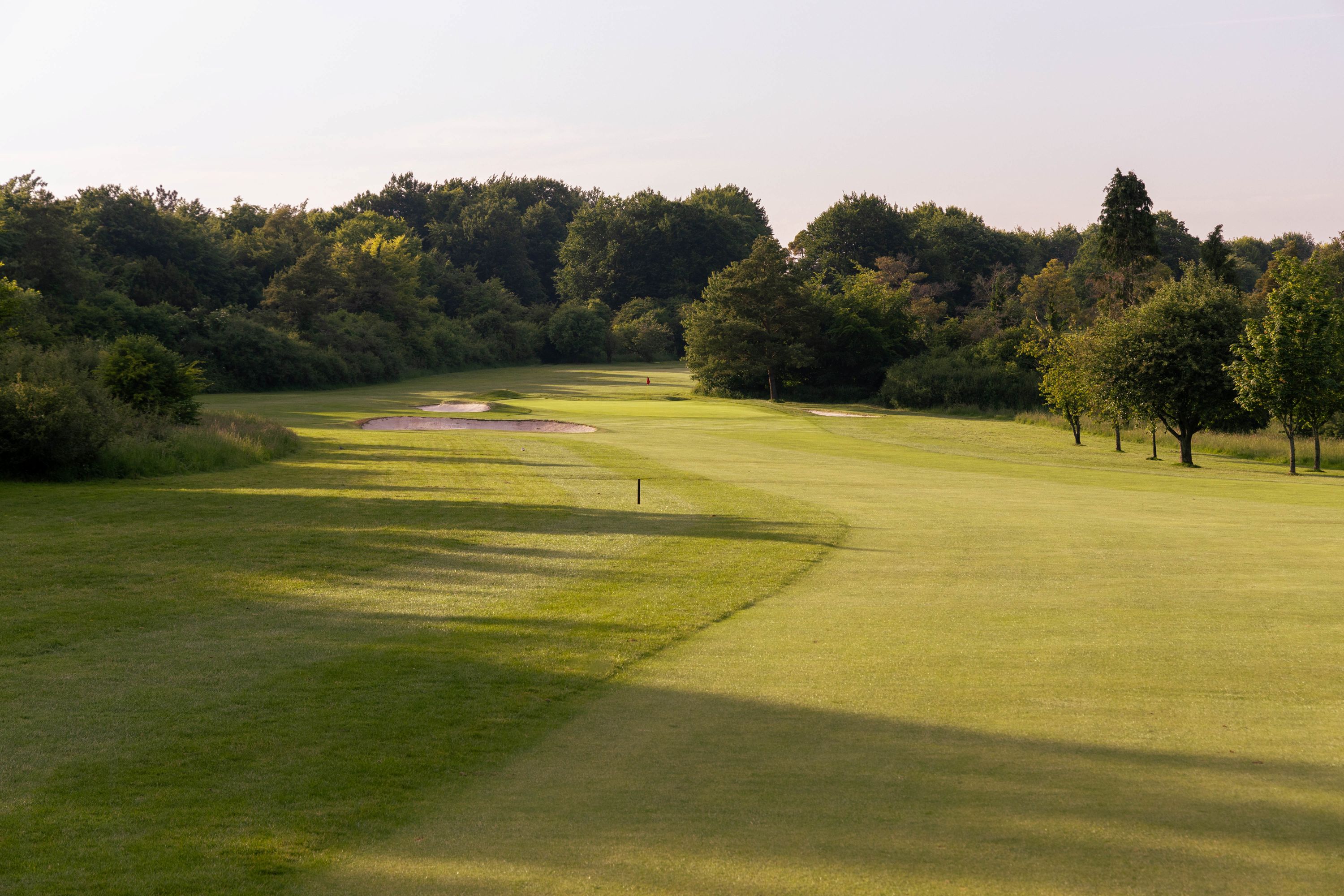
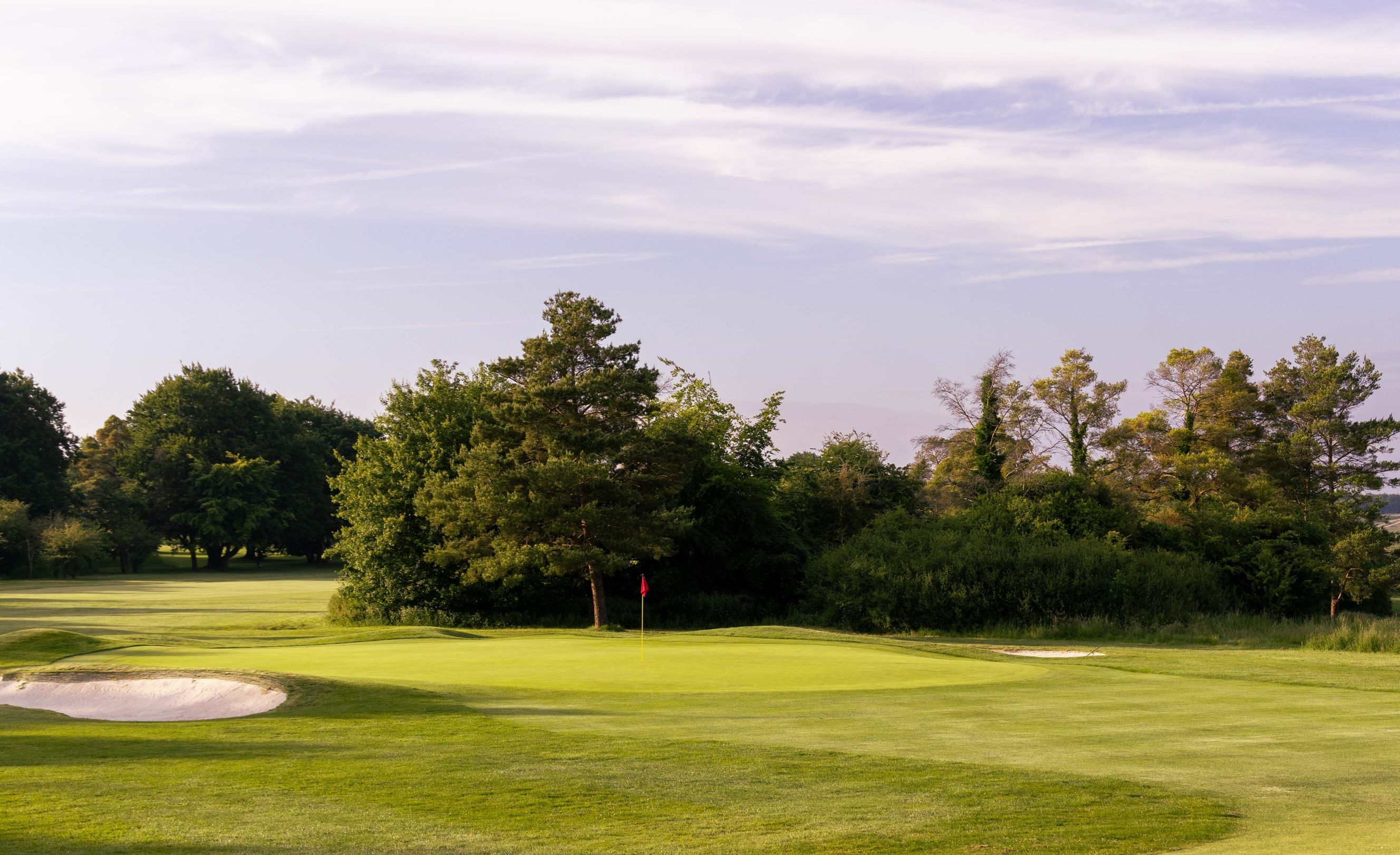

Damion confirms that, before introducing the autonomous mowers, cutting the greens took up to 28-man hours per week in summer, the fairways approximately 24-man hours, the rough 20-man hours and approaches 12 hours. Since introducing the Husqvarna mowers he says, “with significantly less time spent on mowing tasks we’ve been able to utilise these hours and enhance the members’ experience by making improvements in detailed work areas such as bunkers, clubhouse environs, surface refinement and general peripheral work.” He estimates that he will be able to reallocate over 800 staff labour hours a year to elevate course presentation and playability and support more advanced proactive turf management strategies.
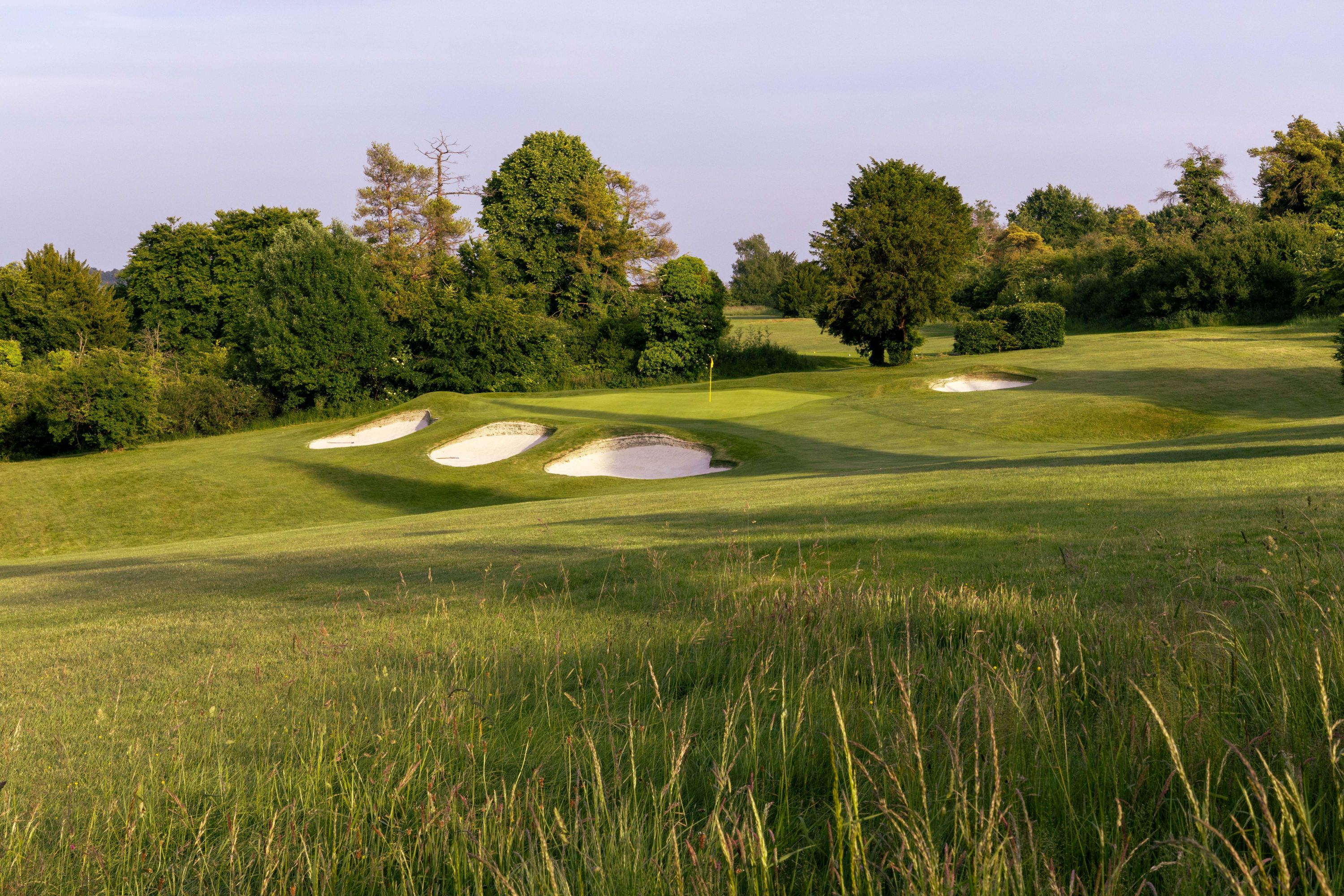


The club has a reputation for training and progressing greenkeepers through the profession, with many going on to manage their own sites. The adoption of autonomous technology is not about replacing invaluable and talented greenkeepers but enabling them to focus on more complex and varied tasks and develop their skills. Damion believes that the introduction of autonomous mowers in the industry could attract new people, especially those from the younger generations, to the profession.
“Young people today often have an affinity for technology,” he says, “and the autonomous mowers market will provide the opportunities to work within areas such as engineering, data science, sustainability studies, data analytics, programming and AI.”

Investing in a fleet of autonomous mowers will also have huge financial benefits for the club in the long-term. Tidworth Garrison estimates it will save £6,000 annually on fuel costs alone and a further £2,700 on the servicing and maintenance of machinery through the introduction of its autonomous fleet of mowers. These savings will have a huge impact on both operational and capital costs and the club’s ability to invest elsewhere.
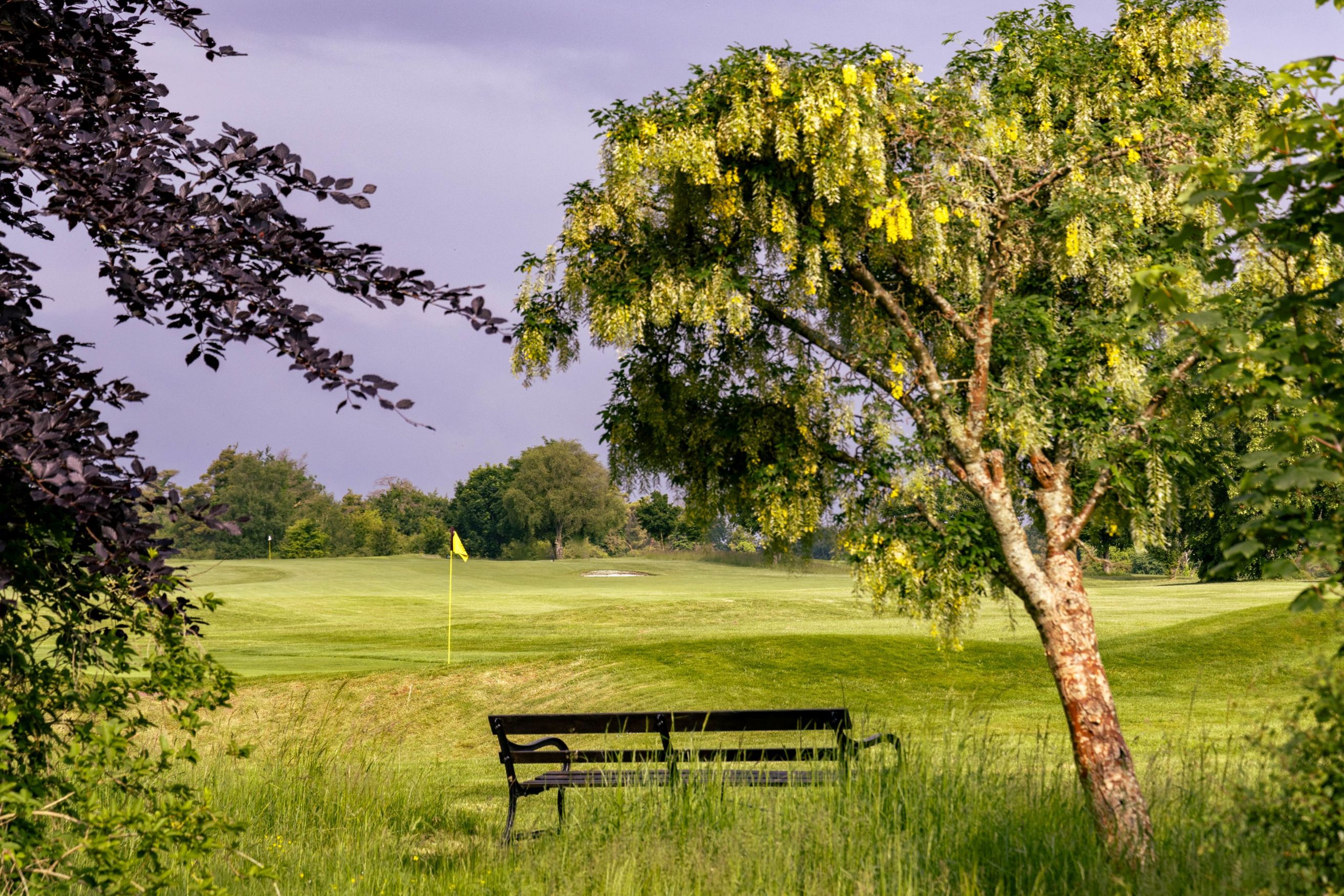

The club is also committed to reducing its carbon footprint and the reduction in fuel consumption will help it to meet its green targets and cut fuel emissions significantly. Husqvarna autonomous mowers offer low electric energy consumption while charging and produce zero direct carbon dioxide emissions while in use. It is estimated that Tidworth Garrison could reduce its carbon emissions drastically from 13,096kg to 2,079kg per year as a result of using Husqvarna autonomous mowers. An added bonus for golfers, wildlife and greenkeepers alike is a significant reduction in noise pollution when autonomous mowers are being used.
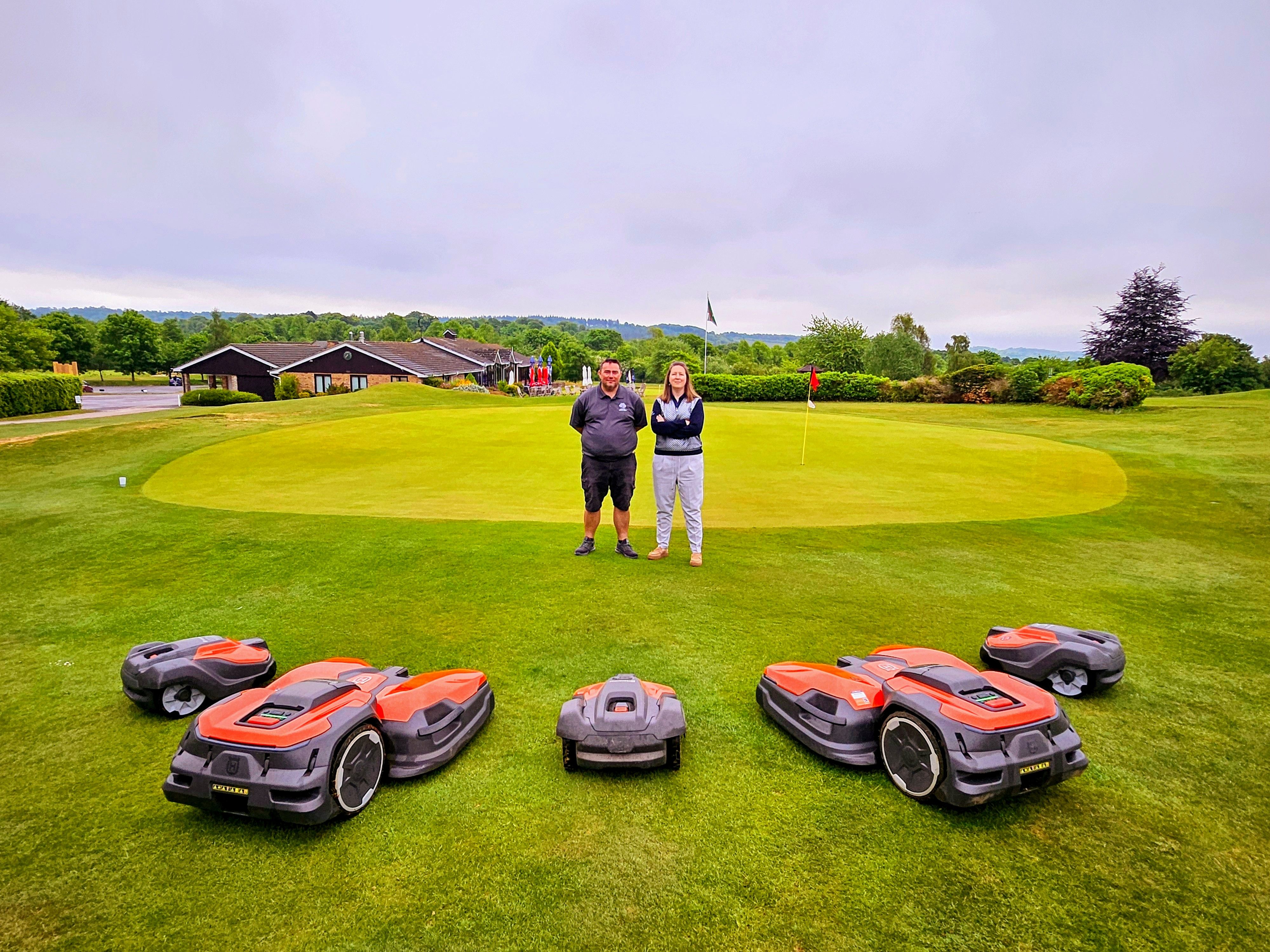
The team at Tidworth Garrison view their new fleet of Husqvarna autonomous mowers as a major investment in the future of the course and the club, a commitment to continued excellence and a huge step forward in modernising the way the course is managed.
