
Bedford & County Golf Club has recently completed phase one of a major irrigation upgrade, replacing key infrastructure that had been causing ongoing issues for years. Irrigation expert John Kidson speaks with course manager Adam Butler about what prompted the work, how the team were coping before it and what changes are expected moving forward.
You’ve recently completed phase one of your irrigation upgrade. What was installed and which areas of the course were prioritised?
We recently completed the installation of a new mainline, cable network and an additional pump. Over the past ten to 15 years, we experienced numerous leaks and cable faults, which ultimately led to the decision, just before Christmas 2025, to appoint a contractor to carry out the works under the supervision of an irrigation consultant.
The project involved installing more than 7,000 metres of HDPE pipe to ensure reliable water availability throughout the course. A phased approach allowed us to connect into the existing valves on greens and tees, ensuring a smooth transition with minimal disruption to play.

What were the key issues with the previous system that led you to start this upgrade?
Like many clubs that have operating irrigation systems that are over 35 years old, we found that reliability had become our biggest concern. During the summers of 2018 and again in 2025, it became clear to both me and the board that we could no longer justify the time and financial investment into a system that simply wasn’t performing.
Frequent leaks and ongoing cable issues led to many sleepless nights and, ultimately, a golf course that was falling behind in terms of turf quality. Without significant change, standards would have continued to decline.
Before phase one, what did a typical week look like for you and your team in terms of managing irrigation problems?
We recently upgraded our moisture meter, which now allows us to manage moisture levels far more accurately and share data more easily across the team.
Previously, however, we were spending around 60 hours per week hand watering. As a particularly exposed and windy site, combined with pressure at some heads dropping below three bar, we were not achieving consistent head-to-head coverage across parts of the course.

Where did the old system cause the most disruption to course conditions and consistency?
The ageing mainline was no longer fit for purpose given the climatic conditions we are now experiencing. We were losing significant volumes of water, and the inability to carry out repairs during hotter periods meant continued waste, increased costs and ongoing pressure loss across the system.
This highlighted just how exposed the course is and how quickly the turf becomes stressed under these conditions.
How much time and resource were being pulled away from other maintenance tasks just to keep the system running?
The old mainline and cable network were draining the greens’ budget. Many repairs were carried out in-house, taking greenkeeping staff away from planned tasks and projects.
What kind of strain did that put on your team in terms of workload and morale?
Averaging around 60 hours per week on hand watering, often more within a relatively small team, placed significant strain on resources, particularly during hotter periods.
Ideally, irrigation should be carried out early in the morning when evapotranspiration rates are lowest, but this was not always achievable. This led to disruption for members and visitors, creating a less-than-ideal playing experience and adding further pressure on the team.
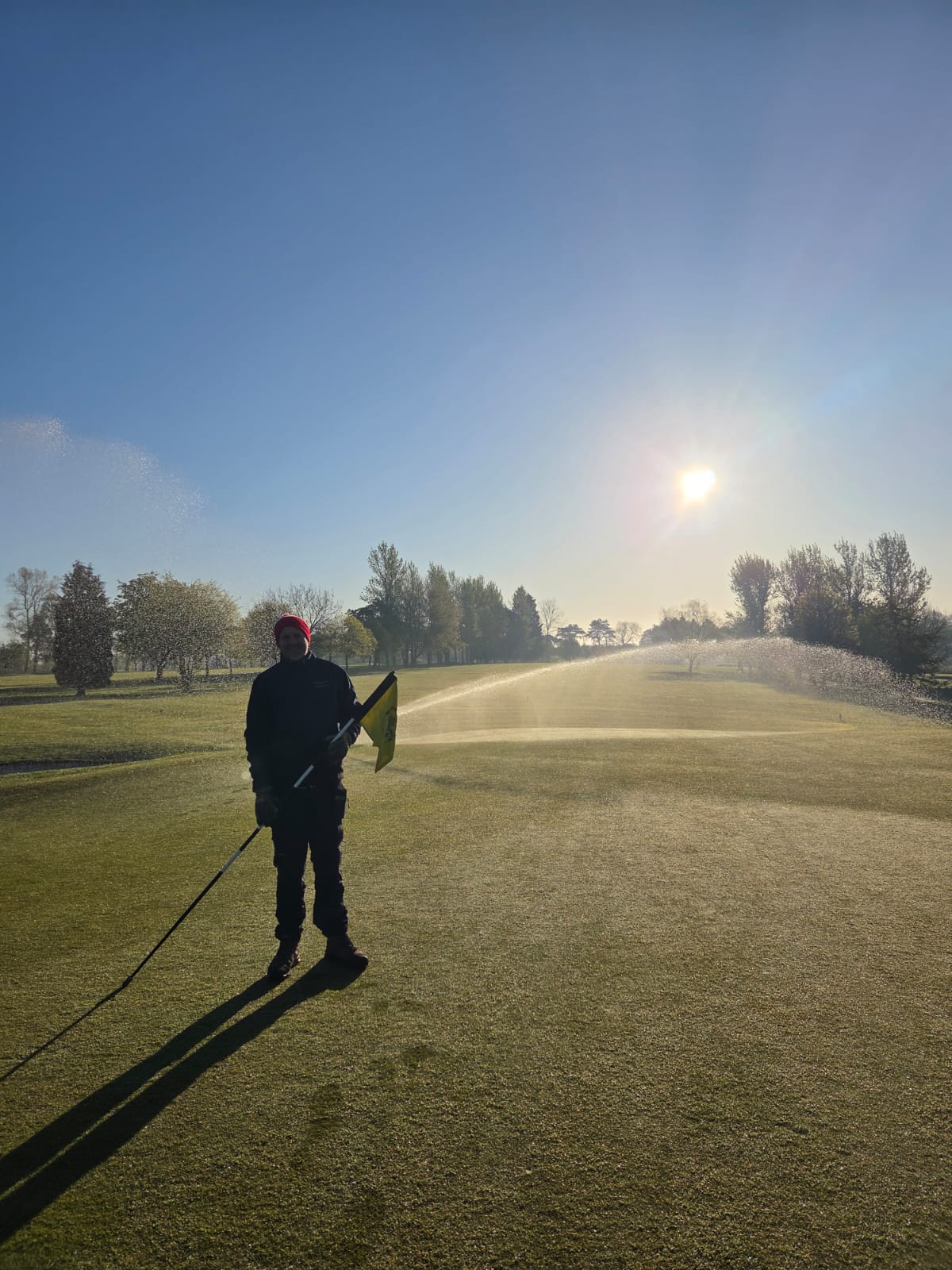
With phase one now installed but not yet fully in use, what are your expectations for how it will change day-to-day operations?
While hand watering will still be necessary, the increase in system pressure should significantly reduce the time required. This will allow us to save valuable man-hours and refocus on the finer detail and presentation work that our members expect.
We are excited to see the impact phase one will have, but it remains part of a wider phased approach. It is not until phase two is complete that we will achieve full control over water management.
What improvements are you hoping to see in terms of turf health and consistency once the new system is fully operational?
Our existing system still operates on a block system, so we do not yet have individual valve-in-head control. However, with increased water volume and the addition of a new pump, we can now run two stations simultaneously.
This will improve efficiency, reduce electricity usage and tighten watering windows. Increased pressure has also improved our hand-watering capability, allowing two staff members to work at once and reduce disruption to play.
We are also upgrading sprinklers, increasing nozzle sizes and adding tail nozzles where required. Combined with continued use of wetting agents, it will be interesting to assess performance with improved pressure and water availability.

Looking ahead, what does phase two involve, and how will that complete the system?
Phase two will introduce valve-in-head control and a PC-based irrigation system, allowing water to be applied far more efficiently and precisely across the course.
It will also include the installation of approach sprinklers, which will enable us to further refine our agronomic practices and significantly improve turf health and density in these key areas.
With full head-to-head coverage, we will achieve consistent and uniform irrigation throughout. The project will again be overseen by our consultant, ensuring quality control during installation and commissioning.
This phase will ultimately give us complete control over all irrigated areas and future-proof the club for many years to come.
Once both phases are complete, what will success look like for you as a course manager?
Success is delivering a golf course that the team is proud to present and one that members and visitors want to return to time and again.
We will no longer be firefighting to keep turf alive, allowing us to focus on taking the course to the next level.
It will also be defined by how efficiently we use water, ensuring every drop is managed responsibly and monitored carefully. This level of control will support both playing quality and long-term sustainability.
In your time, have you seen irrigation become more of a daily management tool rather than something used reactively?
Absolutely. PC systems, moisture meters, improved grass species and the adaptability of course managers have all changed how water is used. With the demand for fast, firm surfaces and consistent grass coverage, irrigation is now carefully managed as part of daily course setup rather than used reactively.
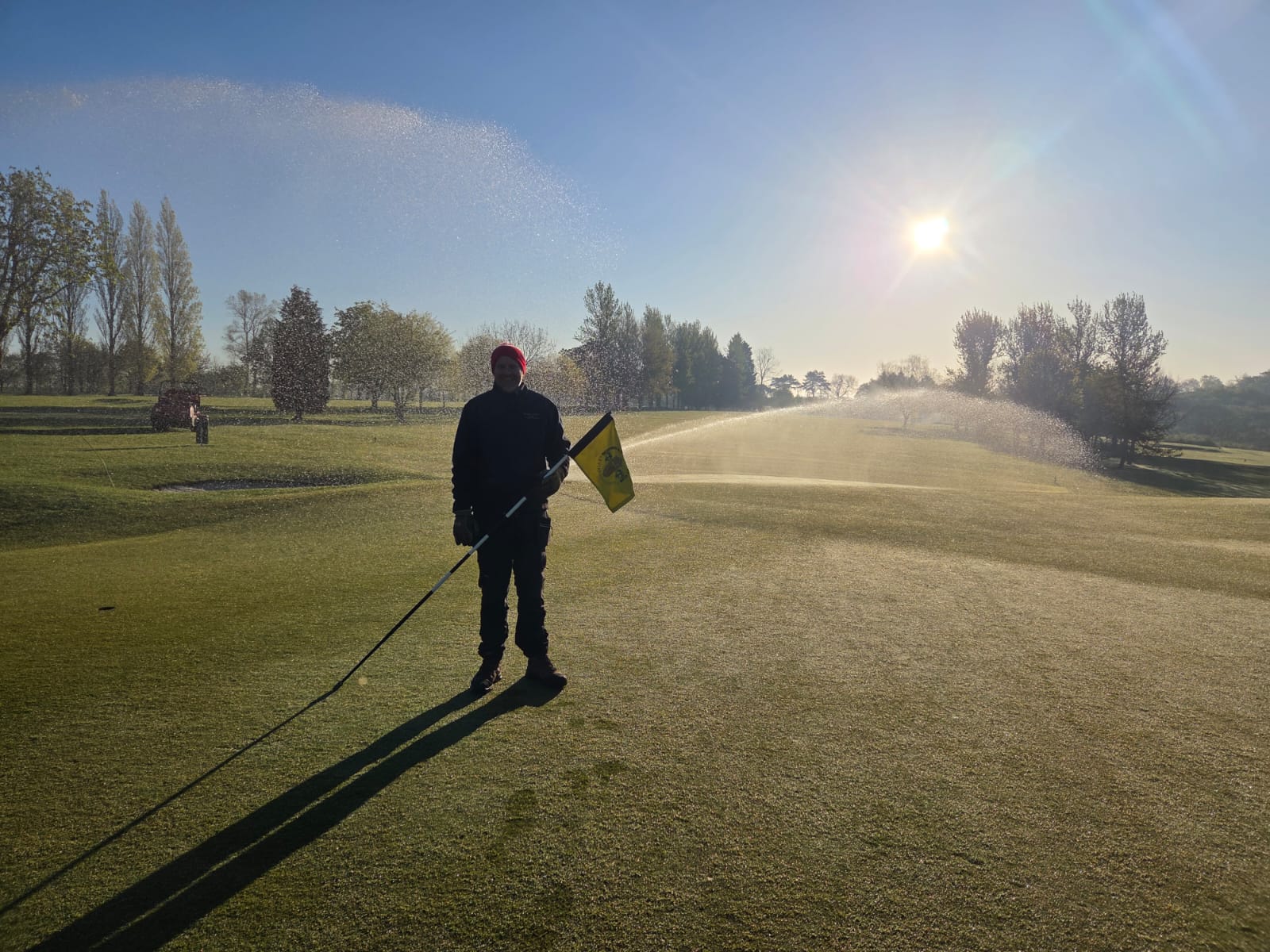
How important is irrigation now in supporting overall maintenance practices like recovery, input efficiency and turf quality?
It is essential. Irrigation underpins everything from recovery to input efficiency and overall turf quality. Without accurate and reliable water management, it becomes extremely difficult to maintain consistent playing surfaces and meet modern expectations.
For clubs currently struggling with an ageing irrigation system, what advice would you give?
The first step is to engage a recognised consultant and commission a full irrigation audit. This will validate concerns and provide clear, evidence-based findings to support future decisions. Irrigation is one of the most significant investments a golf course will make, so careful planning and expert guidance are essential. Speak to other greenkeepers, learn from their experiences, and don’t hesitate to ask for advice.
Maintaining detailed records of expenditure is also crucial. Be transparent with members and track water usage and costs closely. This helps build a strong case for investment by highlighting inefficiencies.
Ideally, a full upgrade would be completed in one phase, but projects of this scale are often delivered in stages. A phased approach allows for better financial management while still delivering meaningful improvements in efficiency, performance and long-term sustainability.
Follow John Kidson on social media @JKIrrigation