
Acrefield, part of WLS Group, explains how expert lake restoration can turn a neglected water feature back into one of the course’s finest assets, without disrupting play.
For greenkeepers across the UK, 2026 has asked a great deal. Keeping greens and fairways in prime condition through challenging conditions has taken long hours, careful planning and considerable skill. Beyond the playing surfaces, other parts of the course have also suffered. Ageing trees, tired bunker faces or a lake that has slipped into neglect can all take the shine off well-kept turf.
“A water feature that is becoming a maintenance concern rarely improves by being left alone,” says Simon Jenkinson, Director of WLS Group and a keen amateur golfer. “Course managers often come to us with a tired lake that’s no longer doing their course justice, knowing it needs attention. It has usually sat on their to-do list for some time, and the longer it’s left, the more extensive the work becomes.”
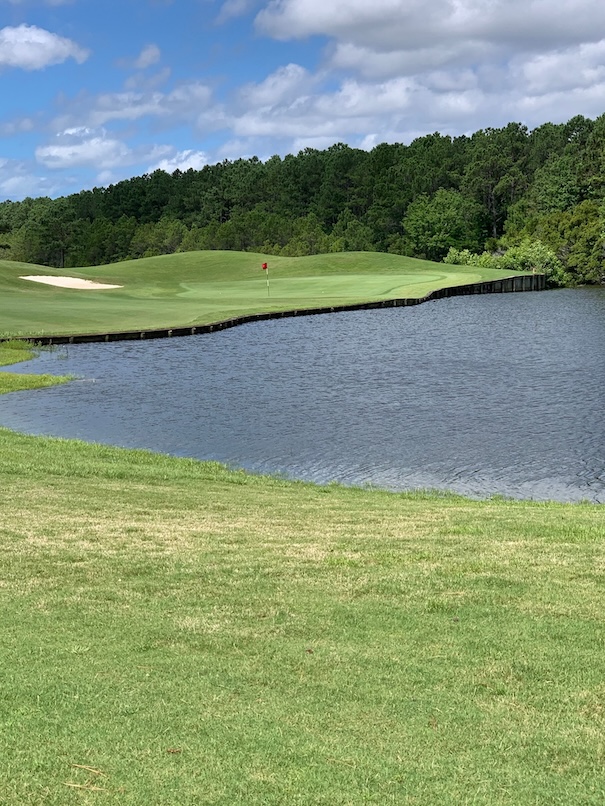
Few features shape the character of a golf course like water. A well-placed lake calls for a considered strategy from the tee, rewards a confident approach and punishes the slightest misjudgement. It can turn an otherwise ordinary hole into one that is recounted in the clubhouse and remembered long after the round is over. On the finishing hole, a lake creates a fitting grand finale, its water framing the final green and lending a sense of occasion as players make the walk to complete their round.
Some of the game’s most celebrated holes owe their reputation to water. The 18th on The Belfry’s Brabazon course asks players to tackle the lake twice, once from the tee and again on the approach, and it has produced some of the Ryder Cup’s most dramatic moments. Across the Atlantic, the 17th at TPC Sawgrass in Florida, home of The Players Championship, is famous for its island green set within a lake and remains one of the most recognised and feared targets in professional golf.
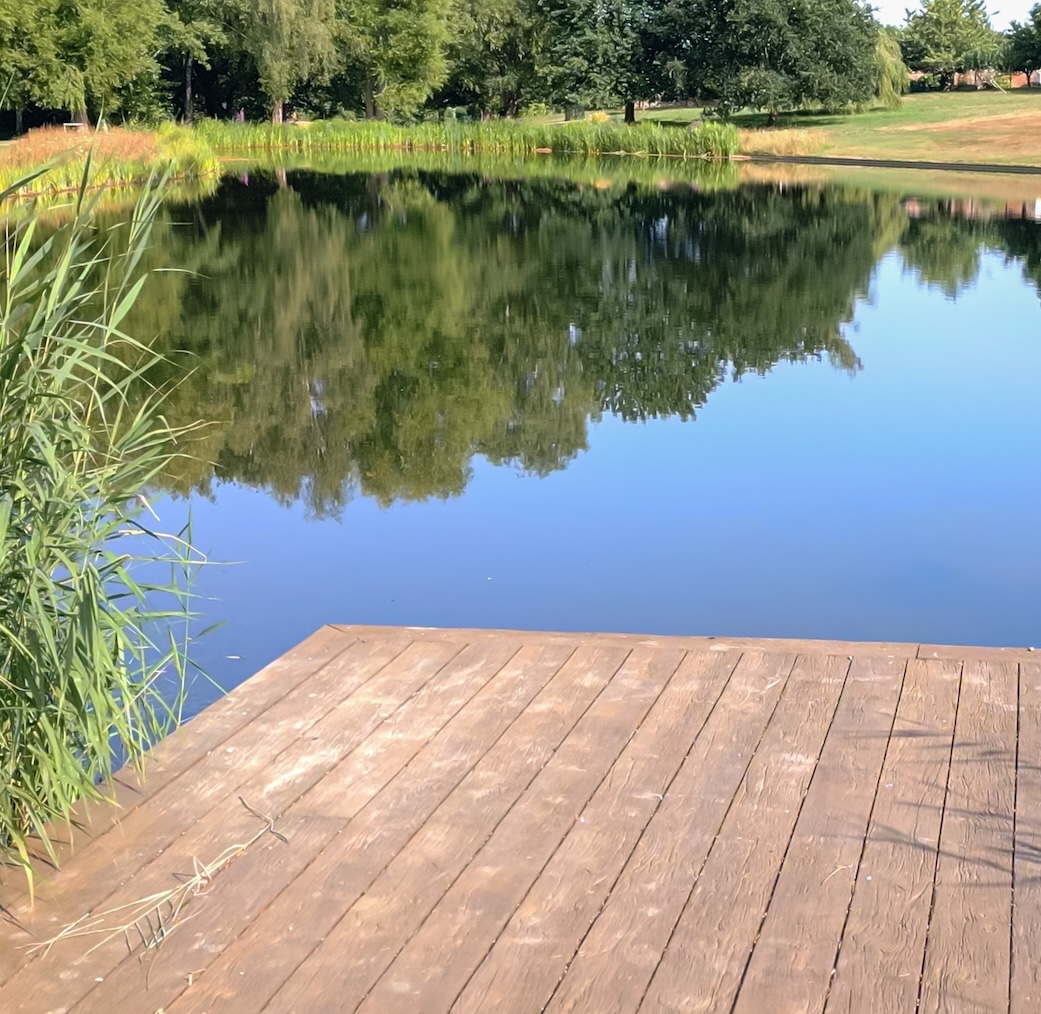
“Lakes are an important feature of any course, bringing character and adding interest to play,” Simon explains. “Where a lake guards the 18th, it becomes the centrepiece of the round and deserves to look its very best.”
When a lake falls short of that standard, Acrefield specialises in bringing it back to life. As well as constructing new lakes, the team refurbishes and restores existing waterbodies of every scale. They manage the whole process, from survey and conception through to earthworks, lining and planting. Each project begins with a site visit to assess levels, soil behaviour and access, so the work addresses the root of the problem rather than its symptoms.
“No two lakes are the same,” Simon says. “Understanding how a lake is fed, the condition of its basin and how the club would like it to look is what allows us to recommend the right solution.”
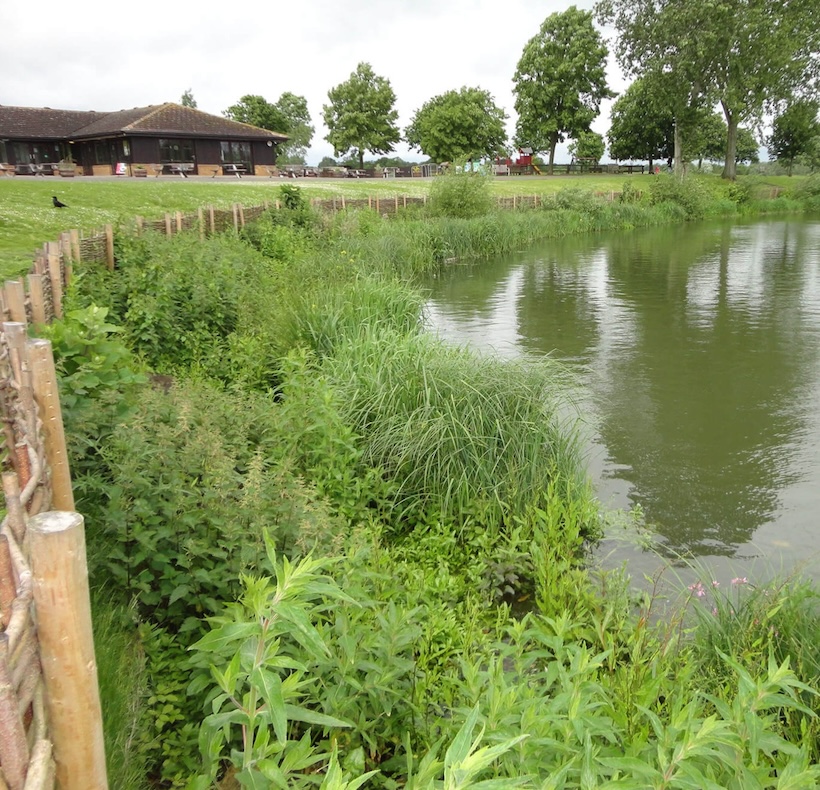
Eroded or undercut banks are among the most common issues.
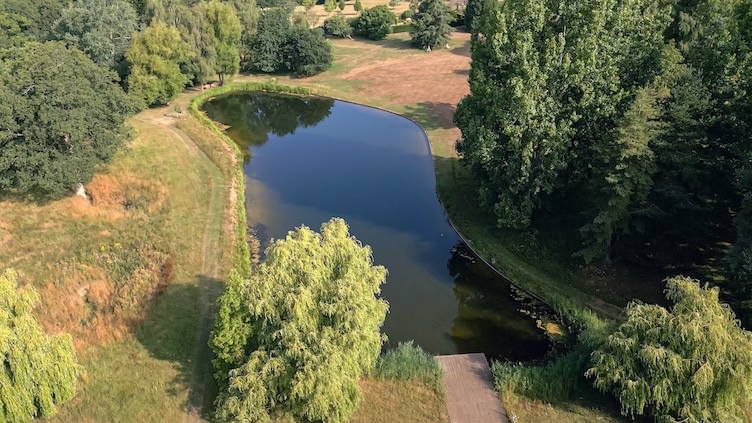
They look untidy and can become hazardous for golfers retrieving a wayward ball. Depending on the severity, Acrefield reinforces the edges with aquatic coir rolls and pallets, rock rolls or gabion baskets, restoring a clean, stable line that holds its shape.
The finish at the water’s edge has a marked effect on how a hole looks and plays. Some clubs prefer grass running right down to the water for a crisp, manicured appearance. Others favour a softer planted margin, which coir can provide while strengthening the bank beneath.
Choosing the right vegetation is just as important. “We favour low-growing emergent plants,” Simon notes. “They soften the edges without overwhelming the lake or blocking the golfer’s view of the target.” Native, non-invasive species also help to stabilise banks and improve water quality as the lake matures.
Where a lake struggles to hold a steady level through the seasons, relining may be the answer. Polypropylene or polyethylene membranes are heat-welded into a continuous, watertight barrier and finished with a natural substrate, so the restored lake looks entirely at home in the landscape.

Even a lake that holds its level can deteriorate over time. Years of fallen leaves and accumulated silt can leave a lake shallow and murky. Dredging, silt treatment and aeration restore depth and clarity, improving both the appearance and the health of the water.
With the water clear once more, the finishing touch might be a fountain or similar water feature. Adding movement and a sense of occasion, it can lift a lake from attractive to truly memorable, particularly on a signature hole.
“The greatest concern for our golf club clients is the disruption that works might cause to the course and to the club’s day-to-day operations,” Simon acknowledges. “We understand that completely, and we plan every project to keep that impact to an absolute minimum.”
Works can be programmed around the club’s calendar, often during maintenance periods, so key fixtures and the busiest months of play are unaffected. Protective mats are laid along access routes to safeguard fairways and greens, and the use of heavy machinery is kept to a minimum. The team works efficiently to reduce time on site, so the course returns to normal as quickly as possible.
A healthy lake also brings rewards beyond the game itself. A restored waterbody with thoughtful marginal planting creates valuable habitat for insects, birds and amphibians, enriching the course and strengthening the club’s environmental credentials.
Where wildlife is already present, Acrefield relocates it safely before work begins, so the restoration supports the lake’s ecology from the outset.
A lake can play a practical role in water management too. “Water storage is becoming an increasingly important consideration for golf courses,” Simon says. “A well-designed lake can hold water for irrigation, helping the course through drier spells and reducing reliance on mains supply.”
Behind every Acrefield lake refurbishment project is a dedicated team of highly qualified technicians and a selection of premium materials. Acrefield has experience of lakes designed for a wide range of purposes, from habitat and fishing to golf and public leisure. That breadth, combined with a clear understanding of how a working course operates, means clubs benefit from one team managing the entire process with the care a high-profile feature deserves.
“Seeing a lake transformed is hugely rewarding,” Simon reflects.
“When it’s finished, it should feel as though it has always been part of the course.”
To discover how your course’s lake could be restored to its full potential, visit the WLS Group website at
www.wlsgroup.co.uk/services/environmental/lakes-and-ponds