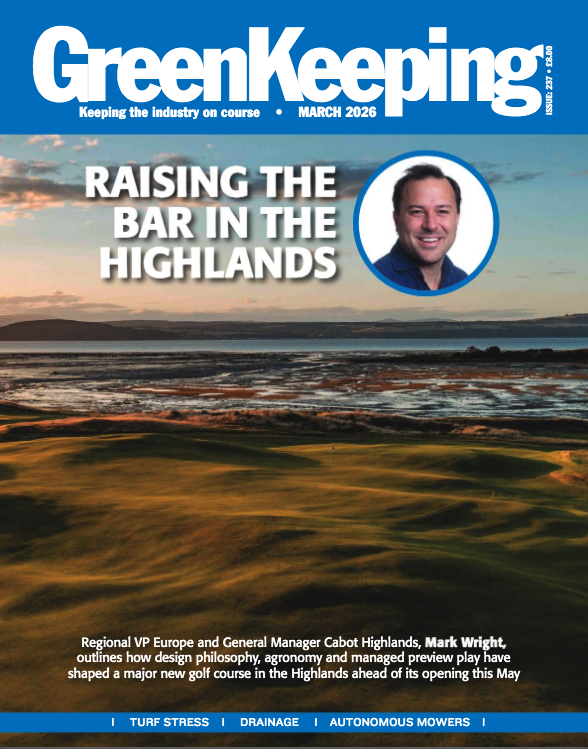
As Cabot prepares for the official opening of Tom Doak–designed Old Petty in May 2026, Cabot Europe general manager Mark Wright explains how architectural intent, agronomic decision-making and careful preview play have shaped the course’s development — and how Old Petty is set to elevate Cabot Highlands into a leading 36-hole destination for Scotland and Europe.

Old Petty has been designed by Tom Doak to work with the natural drama of the land rather than impose upon it. From your perspective, how does the architectural intent of the course influence the way it is maintained and ultimately presented to golfers?
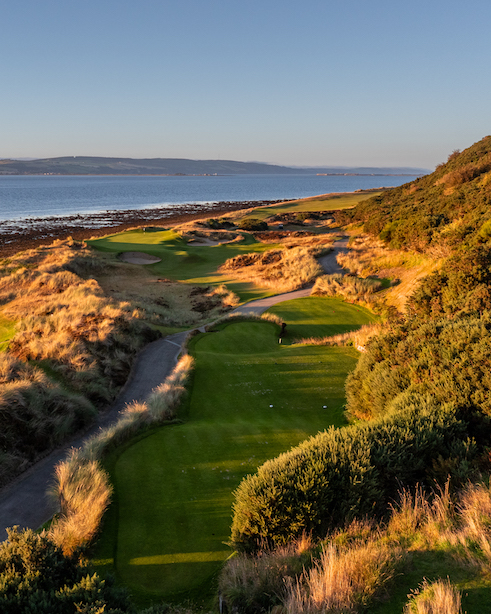
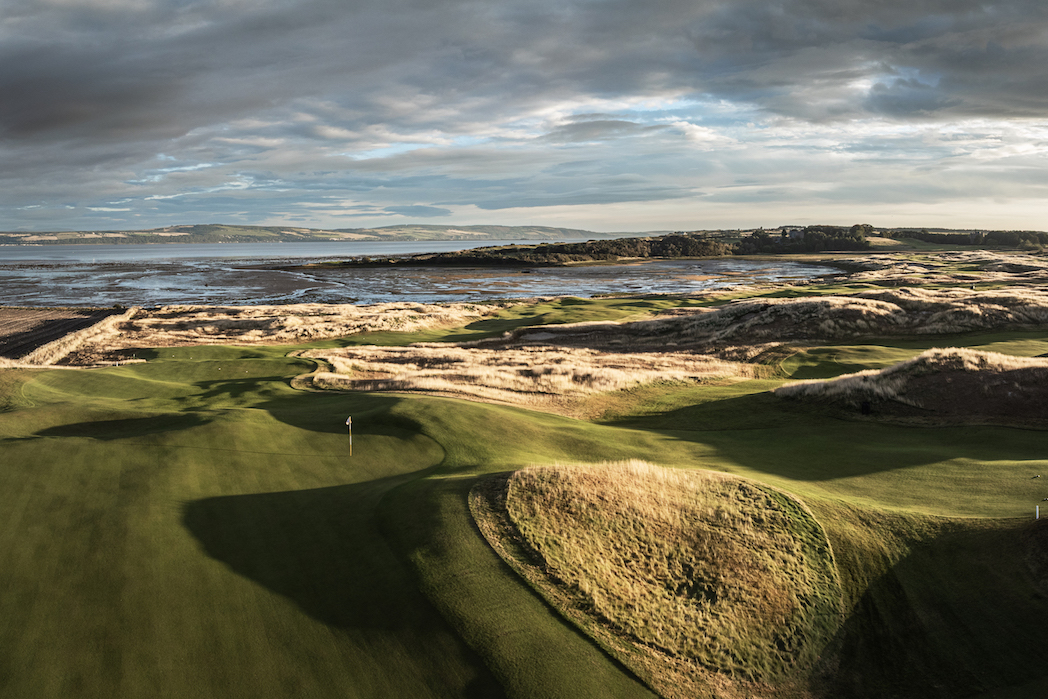
Tom Doak was tasked to work with the natural drama of the land, and from our point of view, the presentation must follow that same philosophy. We want Old Petty to feel natural and rugged, allowing the contours and landforms to speak for themselves.

There are constant subtle changes in undulation and elevation throughout the course. While there was inevitably more shaping involved than at [neighbouring] Castle Stuart, the natural principle remains the same: letting the original landscape lead. Our role as greenkeepers is to support that vision rather than compete with it.
Preview play introduces golfer traffic at a very early stage. How did you coordinate greenkeeping, golf operations and guest management to protect the young turf while still delivering a first-class playing experience?
Finding the right balance was a real challenge, and everyone needed to be aligned. We achieved this through good communication between Cabot’s home office, the management team at Cabot Highlands and the greenkeeping team.
The aim was to give the course exposure without compromising the long-term health of the turf. We therefore gave Old Petty as much growing-in time as possible and only opened the course for ‘Preview Golf’ last August.
In total, we welcomed around 3,000 golfers during preview play, and the turf held up remarkably well. A major decision was increasing tee time intervals to 20 minutes, compared to the 10-minute intervals used at Castle Stuart the previous year. That significantly reduced traffic and golfers were able to enjoy the course at their leisure.

In fact, the controlled traffic helped to firm up the surfaces. From August through to the end of September, you could see the course maturing week by week, with greens becoming progressively firmer and faster. It was beneficial not only for the ground, but also for golfers who experienced the course ahead of its official opening.
Ultimately, that success came down to strong collaboration between greenkeepers, the Cabot Highlands team, and of course, the global Cabot team.
As you prepare for the official opening, what are the main agronomic and operational priorities you are focused on?
Our primary focus is preparing the course for the official opening on 15 May 2026. Weather is always the biggest variable, and all we can do is respond to conditions as they come through winter and spring.
Operationally, the focus is on refinement. During preview play, signage and on-course details were intentionally limited. We are now finalising tee markers, yardage information, on-course seating and overall presentation.
We are also formalising the starter operation. Last year it was informal, with a clipboard approach. This season includes a dedicated starter’s hut and the full operation of the bothy, our on-course comfort station, which can be accessed both between the 5th tee and 6th green and from the 15th tee.
With green fees now aligned with Castle Stuart, expectations are understandably high. Our goal is to ensure that service and quality levels, including the course conditioning and green speeds, are running as well as Castle Stuart by mid-May.

Since Cabot acquired Castle Stuart, how has its stewardship-led approach influenced both course development and the wider Cabot Highlands destination?
When Cabot acquired Castle Stuart, we were fortunate that the course itself was already world-class. The focus there was developing the resort itself and making minor tweaks improving on what’s already been done. The broader ambition has been to grow Cabot Highlands as a destination.
Looking at other Cabot properties, such as Cape Breton and Citrus Farms, the model is clear: outstanding golf supported by first-class accommodation, food and beverage, and an elevated resort experience.
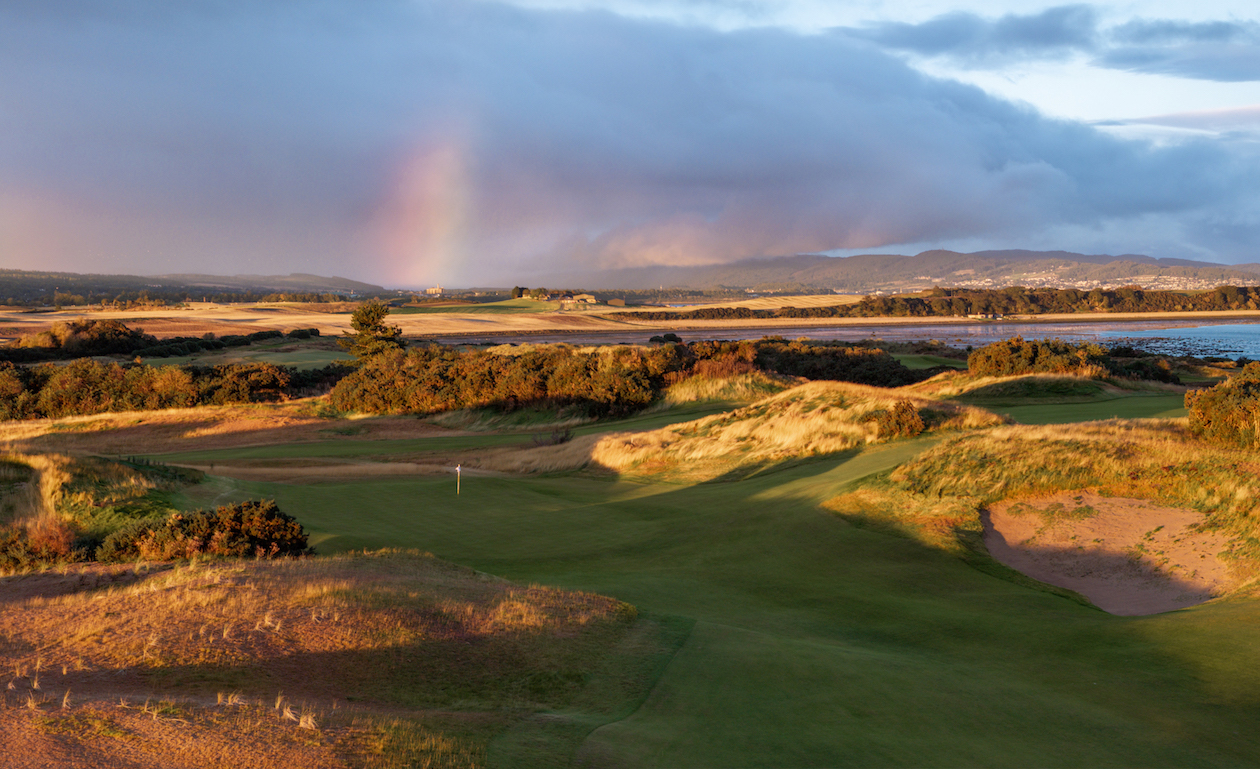
Becoming a 36-hole destination is the first major step, achieved through the opening of Old Petty. Beyond that, we’re focused on expanding food and beverage offerings and developing on-site accommodation so guests can stay at the resort, not just visit for a round of golf.
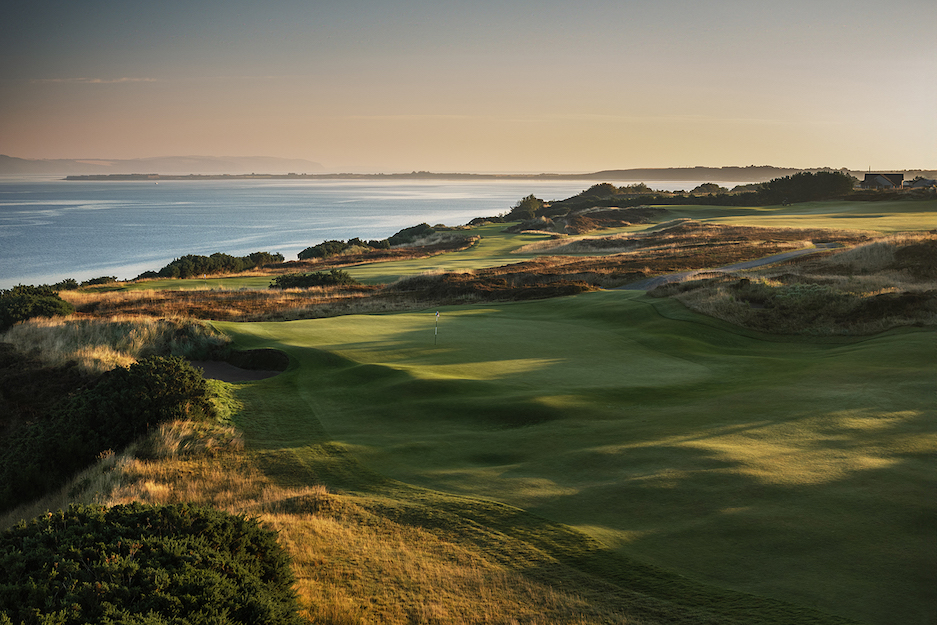
We’re very conscious that this needs to be done properly, but we are working with the local community, the wider team, and taking the time to get the design and structure right. Progress has been steady and very positive.
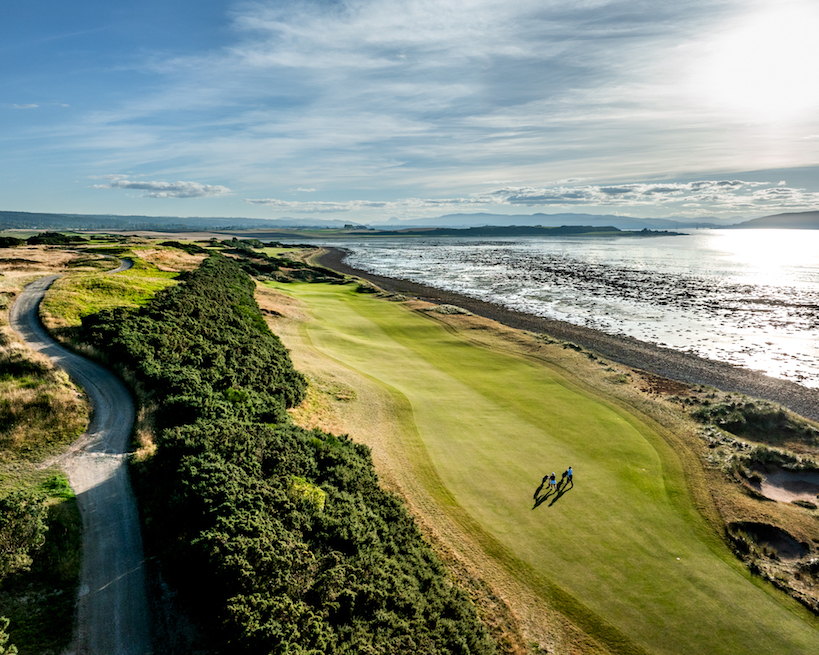
How do you see Old Petty maturing over time and contributing to Cabot Highlands’ position as a leading golf destination not only in Scotland, but in Europe?
We see Old Petty maturing exceptionally well. Feedback from preview play in August and September was extremely encouraging, with many golfers surprised by how well established the turf was.
While it will always be young compared to some of Scotland’s historic courses, our aim is for it to mature naturally and sit comfortably within the landscape. From the outset, the intention was for Old Petty to complement Castle Stuart, not compete with it.

What’s exciting is the conversation that happens afterwards. Golfers compare the two courses, often preferring one on one visit and changing their view the next time. That dialogue is exactly what we hoped for. Old Petty offers something genuinely different.
From a destination perspective, we believe this strengthens not only Cabot Highlands, but the Highlands region as a whole. Rather than being a secondary stop after places like St Andrews or Fife, the region can stand on its own as a primary golf destination, where people choose to fly into Inverness, base themselves In the Highlands, and explore everything the region has to offer.