
A number of greenkeepers have spoken about the pressure that’s on them this spring, which in many parts of the UK has been one of the driest on record.
Following some exceptionally wet recent winters, the spring of 2025 has brought a stark contrast. According to the Met Office, rainfall across many regions has been at historic lows. Wales recorded its driest March since 1944, while East Anglia experienced its second-driest March on record. May was also extremely dry, as greenkeepers are under extra pressure to maintain playing surfaces amid growing turf stress.
David Byron, head greenkeeper at Thorndon Park Golf Club in Essex, said: “It’s very, very dry. It’s the driest start to spring in nearly 70 years. We’ve had almost no rain, and what we have had has come in just one hit.
“In our fairways, we’re down to about three to four percent moisture content. Normally, you’d want 10 to 15 percent for the grass species we have.
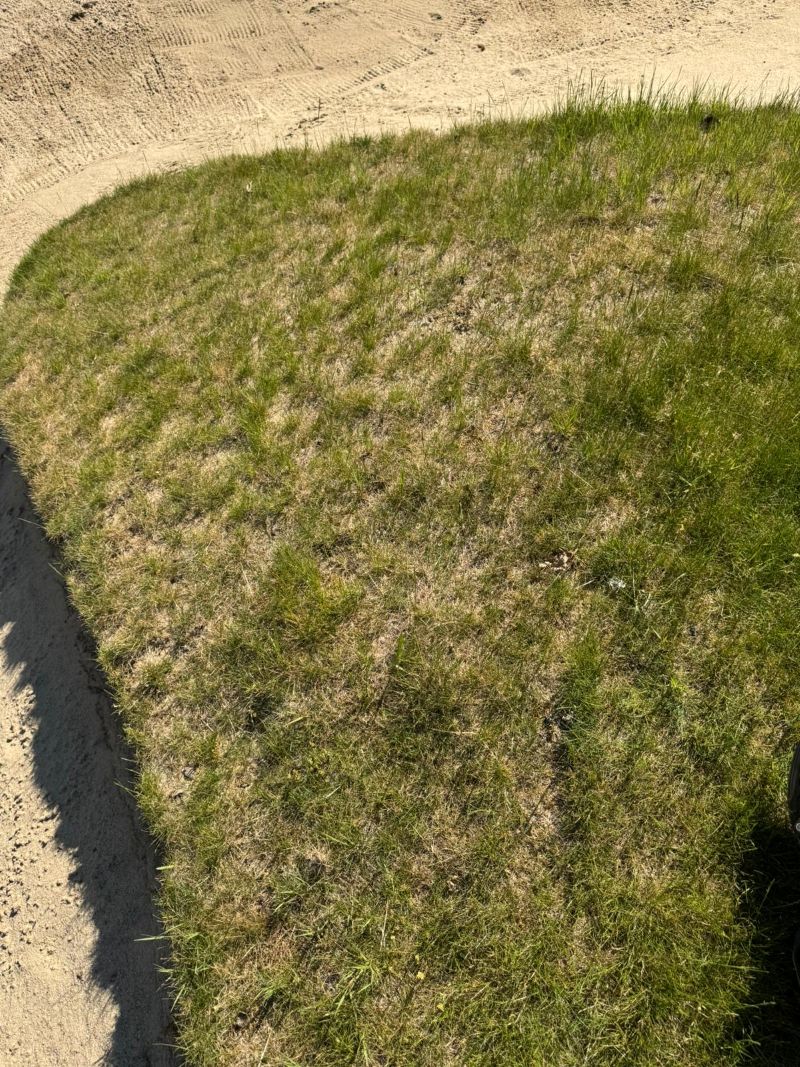
“We’re essentially no better off than we were at the peak of winter, despite it being drier. Obviously, areas with fairway irrigation are faring better. We can control areas like greens, aprons, surrounds and tees with irrigation, which are doing well. But we’re burning through water quickly to maintain them, and we’re going through our water allowance much earlier in the year.
“You don’t want to be creating a shallow root situation by over-watering, which is tempting and easy to do. You just want to give it a deep soak and let the grass fend for itself a bit. You’ve almost got to keep it right on the edge, otherwise you’re going to run out of water quickly.
“We’ve put out a lot of rope for traffic management, which we’d normally do in winter, but it’s just to prevent areas being worn down. We’ve applied a plant growth regulator and held back on feeds because the plant is almost dormant. Anything you’re putting on to try and push growth or encourage it, it doesn’t want to use it, so there’s no point. We haven’t been mowing much because all you’re doing is polishing the surface. We’ll mow greens regularly, but for fairways and semi-roughs, we’re only mowing about once a week. There’s no point in doing more – you’ll just make the problem worse and cause unnecessary wear.”
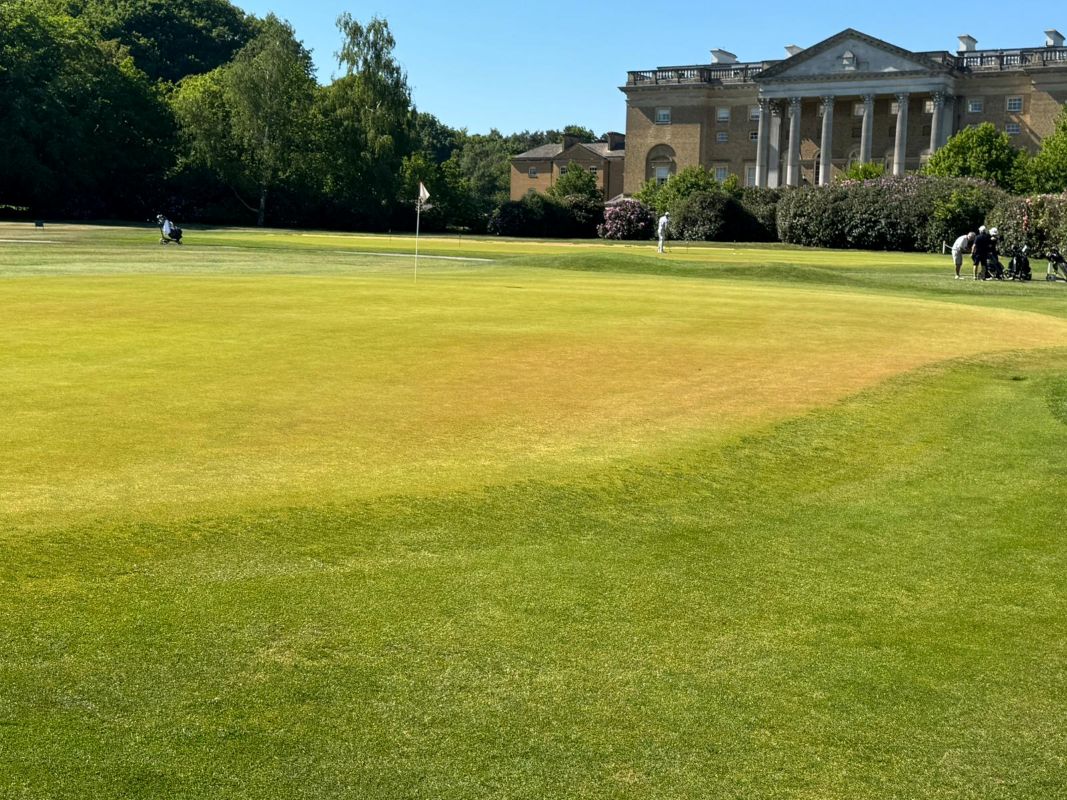
These conditions are presenting major challenges for turf recovery and maintenance. Areas without irrigation, such as fairways, are suffering, while teams attempt to preserve greens and tees with limited water resources.
Royal Aberdeen’s course manager, Richard Johnstone, said he had recorded just 11mm of rainfall between April and early May: “We’re experiencing extreme weather patterns. There’s no longer a balance. Instead, we’re seeing one extreme or the other – either constant pouring rain or complete drought.
“There doesn’t seem to be much consistency anymore, and that presents some big challenges.
“The key is not stressing out the surfaces. We’re focusing on areas that look stressed by applying wetting agents and irrigating. Since we have an irrigation system, we can help retain moisture. The goal is to prevent the surfaces from becoming hydrophobic, where the soil starts repelling water. If that happens, you can start losing turf. We’re trying to stop the surfaces from reaching that critical stage.”

Paul Woodham, The R&A’s agronomy lead for Europe and the UK, noted that warm days combined with cold nights have disrupted seasonal growth, resulting in stressed grass and delayed recovery from winter damage.
“The lack of rainfall combined with warm days and cold nighttime temperature has caused issues for greenkeepers across the British Isles,” he said. “The impact is seen in a lack of recovery from winter wear and is particularly challenging in situations for courses which suffered winter disease scarring and damage caused by leatherjacket larvae. Greenkeepers have seen the early onset of turfgrass stress, especially with poa annua being stunted coming into the seasonal emergence of seed heads in mid-May.
“These combined stresses have made it difficult for greenkeepers managing the transition through spring and seeking surface refinement for main season performance. The fluctuation in unpredictable and extreme climatic conditions appears to be a seasonal norm testing the patience of the golfer.”
Clubs are encouraged to communicate openly with their members, sharing insight into current conditions and course management strategies. Transparent engagement and social media updates are key tools to foster support.
The British and International Golf Greenkeepers Association (BIGGA) is calling on golf clubs and golfers across the UK to support their greenkeepers during this time.

“Our advice to clubs is to engage in professional dialogue with your course manager, set agreed objectives and show open support for your team of greenkeepers,” said BIGGA’s CEO Jim Croxton.
“They will be much more motivated and determined to overcome these challenges with strong support from their members.”
“As course managers, it’s our responsibility to communicate and educate,” said Johnstone. “We need to use various channels like social media, blogs, and other platforms to help people understand the current conditions and our management approach.”