
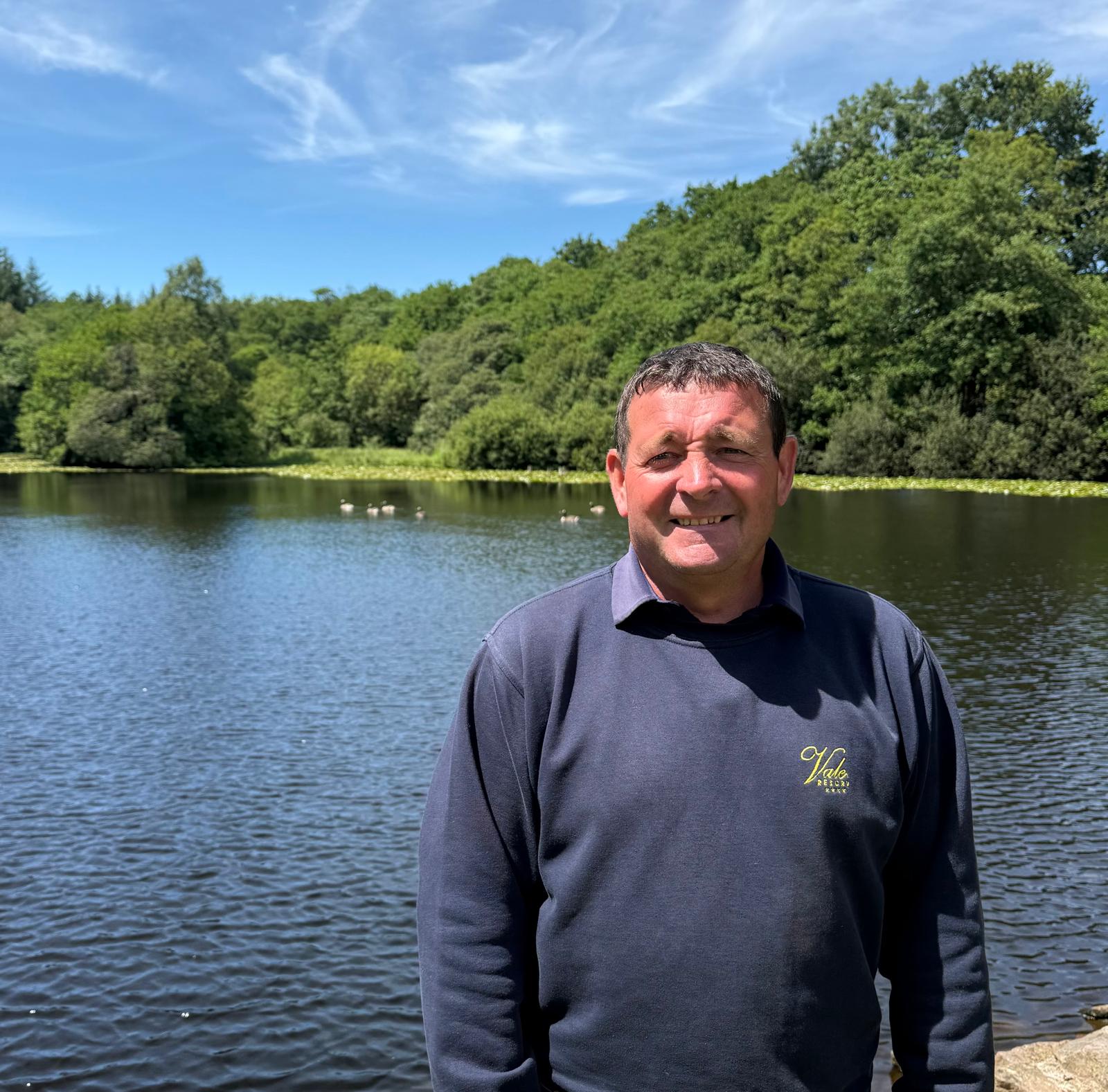
The head greenkeeper at The Vale Resort in South Wales, Mike Bevan, takes us through his average day.
What time do you arrive at the club and what is your morning routine?
I typically arrive at the club around 5am during the main growing season. The first part of the day involves assessing weather conditions, checking course presentation and identifying any issues that need immediate attention. We then hold a team briefing to allocate tasks before heading out onto the course.
How many people are there in your team and do you share tasks?
We have a dedicated team of greenkeepers and while everyone has areas of responsibility, we work collaboratively and share tasks where necessary. Flexibility is important, particularly during tournaments, maintenance projects or periods of challenging weather.
How do you motivate your colleagues?
I believe motivation comes from communication, trust and involving the team in decision-making. Recognising good work, providing opportunities for development and creating a positive working environment all help maintain morale and encourage pride in the course.
What aspects of your job give you the greatest satisfaction?
Seeing golfers enjoy the course and receiving positive feedback is extremely rewarding. I also enjoy watching long-term projects develop and seeing the improvements made through careful planning and teamwork.
And the least satisfaction?
Weather-related setbacks can be frustrating, especially when a great deal of work can be undone by extreme conditions. Managing expectations during these periods can also sometimes be challenging.
Have you attended any courses recently, and if so, what did you take away?
I regularly attend industry seminars and professional development courses. The greatest benefit is always learning about new techniques, research findings and innovations that can improve course management while promoting sustainability.
What is your favourite season of the year and why?
Spring is my favourite season. The course comes back to life after winter, growth resumes and the results of winter projects become visible. It is a particularly rewarding time of year!
Are you witnessing evidence of climate change and, if so, how has your job had to adapt to changing weather patterns?
Yes, we are seeing more extreme weather events, including prolonged dry spells, intense rainfall and milder winters. As a result, we have had to place greater emphasis on water management, drainage improvements and selecting maintenance practices that help the course remain resilient throughout the year.
Have you had to overcome any course issues with disease and/or pests?
Like most golf courses, we occasionally face challenges from turf diseases and pests. Our approach focuses on preventative cultural practices, regular monitoring and integrated management techniques to minimise the need for intervention wherever possible.
What piece of equipment would you say is the most popular and frequently used by you and your team?
Our Baroness equipment is undoubtedly the most frequently used machinery on the course. In particular, our four Baroness LM331 surround mowers and four LM551 fairway mowers play a vital role in maintaining both presentation and playability. Given the amount of fairway and banking areas we manage, these machines are in regular use throughout the growing season. They are reliable, versatile and enable the team to maintain high standards efficiently across all areas of the course.
With a growing focus on sustainability, do you deploy any sustainable practices in the management of your course?
Absolutely. We focus on efficient water use, reducing inputs where possible, improving soil health and adopting integrated turf management practices. Sustainability is becoming increasingly important in every aspect of course management.
What do you do to support wildlife?
We actively manage non-playing areas to provide habitats for birds, insects and other wildlife. This includes maintaining natural rough areas, planting native species, protecting mature trees and encouraging biodiversity throughout the course.
What are the technological developments that you feel have been the most important in your career to date?
Advances in irrigation technology, GPS-guided machinery, turf monitoring systems and data-driven management tools have all significantly improved efficiency and decision-making. These developments allow us to manage the course more precisely and sustainably.
Do you use social media professionally and what do you think this contributes to the industry?
Yes, social media is a valuable tool. It helps showcase the work that goes into maintaining a golf course, promotes transparency with members and provides opportunities to share knowledge and learn from colleagues across the industry.
How would you improve the greenkeeping industry?
I would like to see greater awareness and understanding of the profession, particularly among golfers and young people considering a career in the industry. Continued investment in education, training and career pathways is essential to attracting and retaining talented individuals.
What advice would you give to a young greenkeeper starting out today?
Be prepared to work hard, remain curious and never stop learning. Take advantage of training opportunities, ask questions and gain experience from as many people as possible. A positive attitude and willingness to learn will take you a long way.
How do you spend your leisure time?
Away from work, I enjoy spending time with family and friends, following sport and cycling when time allows. I also enjoy being outdoors, which helps me maintain a healthy balance between work and personal life.